Families making a recipe
If the chocolate needs to be melted, chopped or mixed into a batter, the type of bar, its cocoa content and its ingredient list matter more than the presentation of a gift box.


To melt or mix chocolate into a recipe with children, start with a bar labelled “dessert” or “baking”, then check its ingredients and allergens. An assorted box is better suited to a gift or sharing after your baking session. Its different recipes and fillings need extra attention if anyone has dietary restrictions.
If the chocolate needs to be melted, chopped or mixed into a batter, the type of bar, its cocoa content and its ingredient list matter more than the presentation of a gift box.
Check the label of each product before baking or sharing. An assortment contains several recipes, so don’t assume its ingredients or any “may contain” warnings from the appearance of the chocolates alone.
If you’ve already planned the baking and the chocolate is mainly intended as a gift afterwards, an assorted box meets a different need from a bar chosen for the recipe.
First decide whether the chocolate is for your recipe or to give as it is. Then compare the labels of the products you’re considering, especially if several children or guests will be sharing them.
| Factor | What to check | Who is it for? |
|---|---|---|
| Use in a recipe | Whether it’s labelled “dessert” or “baking”, and the bar’s format and ingredients. | If I’m making a cake or ganache with the children, I first need chocolate to mix in, not a tasting assortment. Around 31% of consumers put this use in recipes at the top of their list. |
| Allergens | Allergens listed and any “may contain” warnings on the exact product. | If someone taking part needs to avoid an ingredient, I must check every chocolate before serving or using it. This is the top priority for around 25% of consumers. |
| Nutritional information | Nutritional values per 100 g, particularly sugars, and the portion size you have in mind. | When comparing two possible purchases before the session, I want to compare their sugar content on the same basis rather than rely on the packaging. This is the main concern for around 25% of consumers. |
| Gifting and sharing | The box format, variety of recipes and ingredients in the fillings. | If the chocolate is meant to be given as a gift after the session, I’m mainly looking for an assortment that’s ready to share. Around 19% of consumers prioritise this. |
Fillings and added ingredients in an assortment can change the recipe and introduce extra ingredients to check.
For a batter or ganache, choose a bar intended for that use. Save the gift box for giving or sharing, unless its ingredients are specifically suitable for your recipe.
The DGCCRF states that displaying the Nutri-Score is voluntary. Its absence alone tells you nothing about a product’s nutritional values.
To compare pre-packed products, read their nutritional information per 100 g, particularly the “sugars” line.
The colour of the chocolate doesn’t tell you whether it contains milk, nuts or other ingredients that need to be avoided.
Check the allergens and any “may contain” warnings on the exact packaging. If an allergy has been confirmed, follow medical advice on which foods to avoid.
These ranges show the difference between chocolate for a recipe and an assortment to give as a gift. Check each product individually.
Lindt offers gift assortments, while retailers also stock baking chocolate bars from the brand.
Kinder offers chocolates in small portions, suited to sharing rather than to recipes that call for chocolate to be melted.
Carrefour stocks milk and dark dessert chocolate bars, which you can compare according to the recipe you have in mind.
E.Leclerc stocks milk and dark dessert chocolate bars, which are intended for recipes rather than as gift boxes.
The Auchan range includes several types of dessert chocolate bar, including milk and dark chocolate.
These products are suited to giving or sharing chocolates after your baking session. For a recipe that requires chocolate to be melted or mixed in, choose a suitable bar separately.
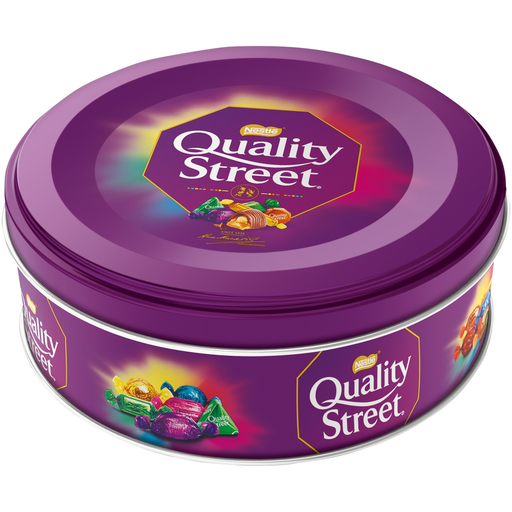 Image unavailable
A box to share after your session, rather than a chocolate to use as the base for a recipe.
The tin is advertised as containing 10 varieties. The product listing mentions milk and hazelnuts, as well as the possibility of other nuts. Check the label on the box you receive before serving.
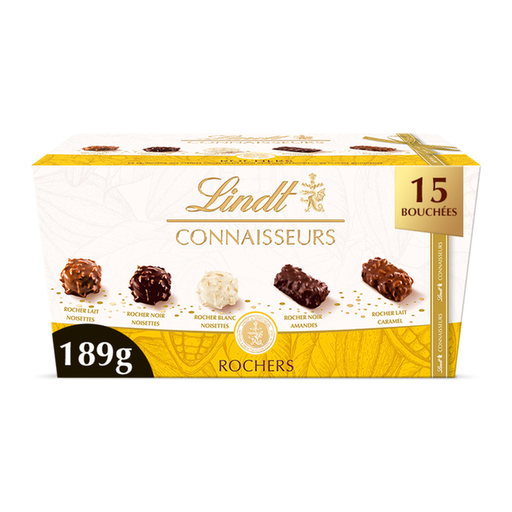 Image unavailable
A gift box to give or enjoy, rather than a bar to mix into a batter.
It contains praline rochers in milk, dark and white chocolate. The listing mentions hazelnuts, almonds, milk, soya and barley, among other ingredients. Check the label on the exact box before sharing.
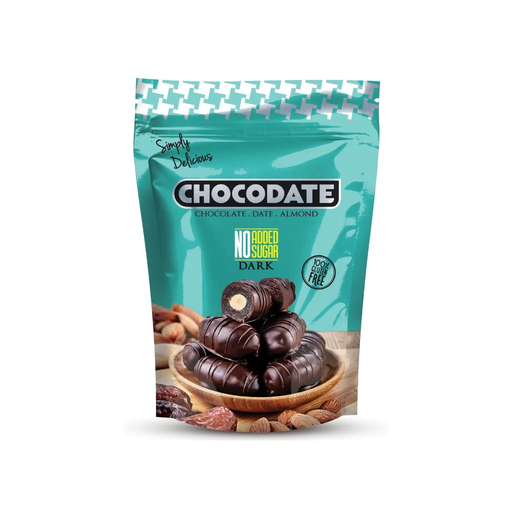 Image unavailable
An assortment of chocolate-coated date bites to consider as a gift or for sharing, rather than as baking chocolate.
The description mentions milk, dark and white chocolate coatings. Before offering them to children, check the ingredients, allergens and nutritional information on the packaging of the exact product.
No. The DGCCRF states that displaying it is voluntary. For pre-packed foods, check the nutrition declaration when comparing products, particularly their sugar content per 100 g.
No. The provisions set out by Légifrance apply to non-alcoholic drinks, not boxes of chocolates. If sugar content influences your choice, compare the figures in the chocolate’s nutritional information.
Before baking or sharing, read the ingredients, listed allergens and any “may contain” warnings on the exact packaging. If an allergy has been confirmed, follow medical advice on what to avoid; don’t infer the ingredients from the colour of the chocolate alone.
No. When baking with children, start with the type of chocolate specified in the recipe and choose a bar labelled “dessert” or “baking”. Then compare the ingredients and allergens. The cocoa percentage alone doesn’t tell you everything about its composition.
Follow the storage instructions on the packaging. They can vary by product. For example, an Auchan listing recommends keeping a Menier baking bar in a cool, dry place away from light, at between 15 and 18 °C.