
Livraison le jour même ou le lendemain

Qualité garantie

Débloquez vos offres de bienvenue: Livraison GRATUITE | Jusqu'à -80 % | 30 jours d'essai gratuits à JoyPlus
Téléchargez l'application
A baking tin may seem simple to choose… until the day the mixture sticks, the base browns too quickly or the tin simply does not fit in the oven. Whether you are passionate about baking or regularly cook for your family, a few checks are all it takes to avoid impractical purchases.
A non-stick tin makes releasing your bakes easier, but this description alone says nothing about its durability. Metal utensils, abrasive sponges and temperatures above the manufacturer’s recommendations can quickly damage the coating.
To protect the surface, use a silicone or wooden spatula instead. Also allow the tin to cool before washing it and check the dishwasher instructions carefully. A damaged non-stick coating will gradually make it more difficult to release your bakes.
The dimensions shown on the packaging are not always enough. You need to consider the width available in the oven, the height of the tin and, for an air fryer baking tin, the basket’s internal diameter. A 20 cm round tin may fit many appliances, but measuring beforehand is still essential.
For a muffin tin, also check the spacing between the cavities. A tray that is too wide may not fit in some compact ovens or may become unstable once filled.
A silicone mould can go from the freezer to the oven, depending on the manufacturer’s instructions. However, not all models can withstand the same temperatures. A steel or carbon steel tin, on the other hand, is designed for oven cooking, but should generally not be placed directly on a flame or hob.
A plastic dessert mould can be very practical for frozen desserts, without necessarily being suitable for the oven or microwave. The technical specifications and usage warnings should always take priority over marketing claims.
A carbon steel tin offers a rigid structure and even heat distribution. It is particularly suitable for bread, loaf cakes, cakes and mixtures that need to retain a well-defined shape. Thicker models may, however, be heavier than silicone ones and require a little extra care to avoid scratches.
Silicone, meanwhile, is flexible and makes releasing bakes easy. It is especially practical for mousses, entremets and some air fryer recipes, provided you follow the stated maximum temperature. For very runny mixtures, it is best to place the mould on a rigid tray before filling it.
The maximum temperature the tin can withstand should be clearly stated. For example, some products in this selection specify resistance up to 220 °C for their coating, or up to 230 °C for a silicone model. These values correspond to the specifications provided for the products concerned and must not be exceeded.
After cooking, use suitable oven gloves, allow the tin to cool and then release the bake carefully. Washing with warm water and a soft sponge will generally protect the coating better than abrasive powders or metal scourers.
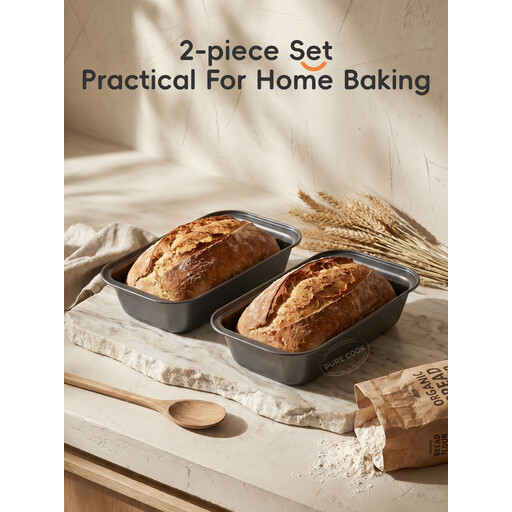
Why this choice suits this profile : this set of two square tins is ideal for anyone who wants to start making sandwich bread, loaf cakes or certain cakes without accumulating lots of accessories.
The product information mentions thickened carbon steel, smooth sides and a non-stick coating that is resistant up to 220 °C. The stated size is 13.2 × 25.5 cm.
A two-piece set, a lightweight structure compared with cast iron and cleaning recommended with warm water and a soft sponge.
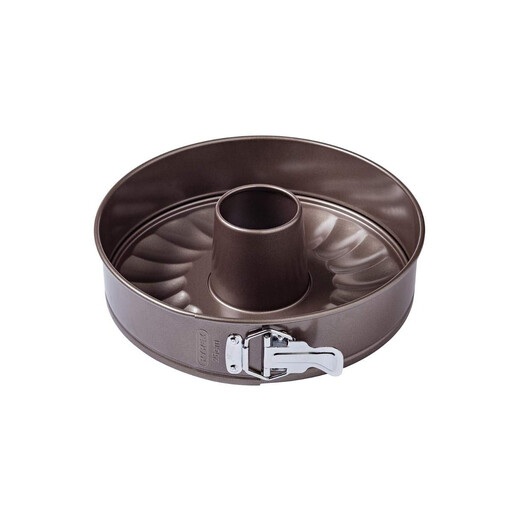
Why this choice suits this profile : its asymmetrical shape and two removable bases will appeal to anyone who cares about presenting cheesecakes, deep tarts and celebration cakes beautifully.
The fastening system keeps the structure secure during baking, while the removable base reduces handling when releasing your bake.
A 26 cm diameter, two interchangeable bases, a non-stick coating and stated dishwasher compatibility.
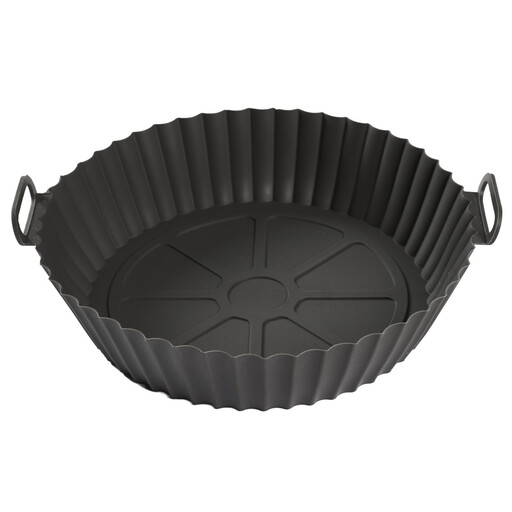
Why this choice suits this profile : this silicone mould is designed for households that regularly use an air fryer and want to prepare quiches, brownies, cakes or vegetables in a compact format.
Its 20 cm diameter should be compared with the basket size before purchase. The stated maximum temperature is 230 °C and the product can be used without baking paper.
Flexible silicone, stated use in the oven, freezer and dishwasher, plus a design suited to air fryer baskets.
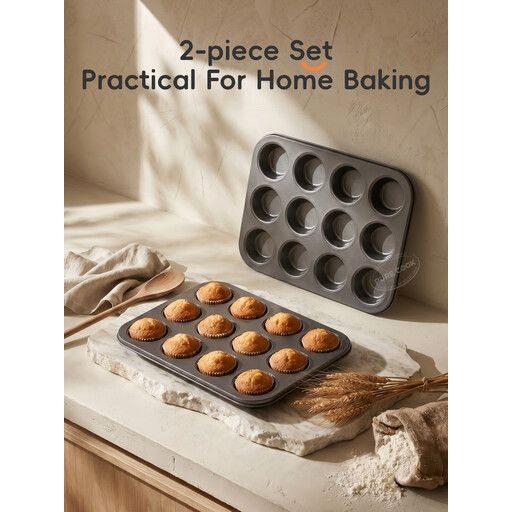
Why this choice suits this profile : these two 12-cavity trays let you prepare several portions in one batch, whether for a family tea-time treat or a small order.
The spacing between the cavities is designed to limit areas where they overlap. The product information recommends a soft sponge and advises against abrasive products.
Two pieces, 12 cavities per tin, dimensions of 35.5 × 26.2 × 2.5 cm and stated stackable storage.
We have put together a complete, real-time updated list of products that meet these strict selection criteria and European safety regulations.
Carbon steel is suitable for bread, loaf cakes and cakes that need to retain a good level of rigidity. Silicone is more flexible and makes releasing bakes easier, particularly for cold desserts or certain air fryer recipes. In both cases, check the maximum temperature the model can withstand and follow its care instructions.
Avoid knives, forks and metal utensils. Allow the tin to cool before washing it with a non-abrasive sponge. If the manufacturer advises against using a dishwasher, wash it by hand instead. Inspect the coating regularly and stop using the product if it begins to peel or shows significant damage.
Yes, but only if its dimensions and heat resistance are compatible with the appliance. Measure the basket, check that air can circulate around the tin and follow the temperature specified by the manufacturer. A plastic mould intended for frozen desserts must not be placed in an air fryer or oven.