
Livraison le jour même ou le lendemain

Qualité garantie

Débloquez vos offres de bienvenue: Livraison GRATUITE | Jusqu'à -80 % | 30 jours d'essai gratuits à JoyPlus
Téléchargez l'application
Baking paper is a kitchen essential, a simple roll we toss in our shopping cart without a second thought. Yet, who hasn't cursed at a cake that sticks despite it, or a sheet that browns and tears mid-bake? Rest assured, these minor kitchen disasters are not inevitable. They are often the result of misleading marketing claims or technical details overlooked at the time of purchase.
Before you fill your cart, let's break down the two most common mistakes that turn this valuable ally into a kitchen nightmare:
Fortunately, choosing the right parchment paper is much simpler than it seems, as long as you know what to look for.
For flawless fat-free baking and simplified cleanup, three characteristics should be watched closely. They are what separate a reliable product from a purchase you'll regret.
The secret to a non-stick baking paper worthy of the name lies in its coating. Most quality papers are treated with a thin layer of silicone on one or both sides. This is the treatment that prevents food from sticking, even without a single drop of oil or pat of butter.
This is a non-negotiable criterion for safety and effectiveness. The reflex to have: check the maximum use temperature indicated on the packaging. A good oven paper must be able to handle at least 220°C without issue, which covers the vast majority of needs in both baking and roasting. Using a paper beyond its temperature limit risks it charring.
The format should, above all, match your kitchen habits.
Rather than an endless catalogue, we have selected a few products that tick all the boxes, suited to different profiles.
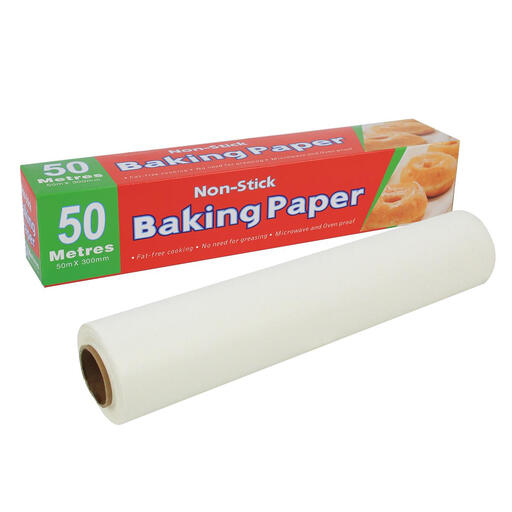
Why we chose it: This 50-metre roll offers excellent value for money for regular use. Its versatility makes it perfect for oven baking, steaming, and can even be cut to size for an air fryer. In short, it's the economical and reliable solution for families or anyone who cooks daily.
Its quality non-stick surface ensures nothing sticks. Goodbye to the nightmare of low-quality papers that cling!
The 50-metre roll format gives you peace of mind for a long time. The paper is unbleached, a plus for those who prefer more natural-looking products.
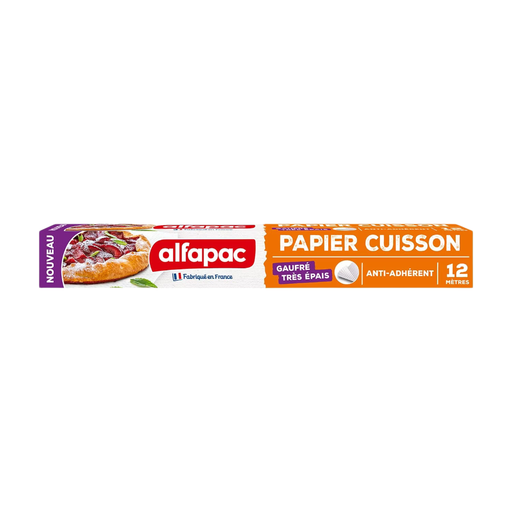
Why we chose it: Designed for perfectionists. Its waffled texture and superior thickness guarantee foolproof strength and non-stick performance, ideal for delicate pastries or long bakes. The French manufacturing and FSC certification are significant bonuses.
Its extra thickness makes it ultra-resistant to heat and tearing. No more sheets that rip or char at high temperatures.
The waffled texture creates micro-air circulation under the food for a perfect release every time. The winning combination: FSC certification and French manufacturing.
We've put together a full selection of products that meet our quality criteria and current standards.
The terms "baking paper" and "parchment paper" have become synonymous and refer to the same product: a paper treated to resist heat and prevent food from sticking. For a bit of background, the term "parchment" historically refers to a manufacturing process that made it impermeable. Today, almost all baking papers are simply coated with silicone to guarantee their non-stick properties. Greaseproof paper, on the other hand, is typically less heat-resistant and not silicone-coated, making it less effective for non-stick baking.
It all depends on its condition after the first bake. If the sheet is still clean, intact, and hasn't browned too much, you can certainly reuse it for a similar batch, especially for dry goods like biscuits. However, if it's soaked with grease or juice, it's best to discard it for hygiene reasons and to avoid mixing flavours.
Yes, baking paper is an essential accessory for an air fryer, as it makes cleaning the basket much easier. You have a choice: cut a piece from a standard baking paper roll or use pre-cut sheets specially designed for air fryers. However, be careful of two things: never completely block the air circulation, and never preheat the appliance with an empty sheet inside. Being lightweight, it could be sucked up by the heating element and burn.