People making the cake
For cake batter or icing, the type of chocolate and its ingredients matter more than whether it comes in a gift box. A bar sold for baking gives you a good starting point to compare with your recipe.


For cake batter, choose chocolate specifically labelled for baking, and save an assorted box for gifting or sharing. If you’d like to add individual chocolates to the recipe, check the ingredients of each variety: their fillings and other ingredients mean you can’t simply swap them in for the same quantity of baking chocolate.
For cake batter or icing, the type of chocolate and its ingredients matter more than whether it comes in a gift box. A bar sold for baking gives you a good starting point to compare with your recipe.
If you want the gift to remain intact, it’s best to keep the chocolates for gifting separate from those used in the cake. Using some of the gift box in your baking means checking the individual chocolates first.
Before serving the cake or chocolates, read the label on the product you’ve bought, paying particular attention to the ingredients in each variety and any allergens highlighted.
First decide how much you’ll use in the recipe and how much you’ll keep for gifting. Then check that each product is suitable for its intended use.
| Criterion | What to check | Who is it for? |
|---|---|---|
| Use in the cake | Look for the description “baking chocolate” or “dessert chocolate”, and follow the quantities in your recipe. For coating or moulding, also check the instructions for your chosen couverture chocolate. | When I’m making the batter or finishing the cake, I want chocolate suited to the job rather than a selection of different chocolates; around 46% of consumers would put suitability for the recipe first. |
| Ingredients and allergens | Read the ingredients and any highlighted allergens on the exact product packaging, checking each variety in an assorted box. | If I’m sharing the cake with someone who needs to avoid certain ingredients, I need to know what’s in the chocolates I’ve added; around 36% of consumers would put this check first. |
| Gift presentation | Work out what will be left in the box after baking, and check its size and net weight. | If I’m giving chocolates as well as the cake, I want to keep the box looking presentable rather than taking out the pieces needed for the recipe; around 18% of consumers would prioritise this. |
Chocolates in the same box may have different fillings and ingredients. Melting them together can change the flavour, texture and composition of your mixture.
Keep the gift box for giving, or buy chocolate intended for baking separately. If you use individual chocolates, check each variety and measure the amount you’re actually adding.
The colour or name of one chocolate doesn’t tell you its ingredients, or those of the other pieces in the box.
Read the packaging of the product you’ve bought before you start baking. The DGCCRF reminds consumers that allergenic ingredients must be highlighted on the label.
Valrhona Selection describes couverture chocolate’s fluidity as useful for tasks such as coating and moulding. That doesn’t mean it’s essential for every cake batter.
For the batter, follow your recipe. Save couverture chocolate for a finish where its instructions are suitable.
Some finishes also require you to follow tempering instructions.
Seeing a product in a catalogue isn’t enough to plan your baking or gift around it.
Check the exact product and its availability with the shop or ordering service you plan to use before deciding on your recipe.
Its catalogue separates bars listed as baking chocolate from assorted boxed chocolates.
The retailer lists chocolate for desserts separately from gift boxes of chocolates.
Carrefour lists one intense dark chocolate product as suitable for cooking.
This assortment brings together several recipes in a box designed for enjoying or giving as a gift.
The brand explains how couverture chocolate is used for baking tasks such as coating and moulding.
The NESTLÉ DESSERT bar is a white chocolate option intended for baking, while the Quality Street box is better suited to sharing chocolates and toffees. For a cake, choose according to your recipe rather than treating these two formats as interchangeable.
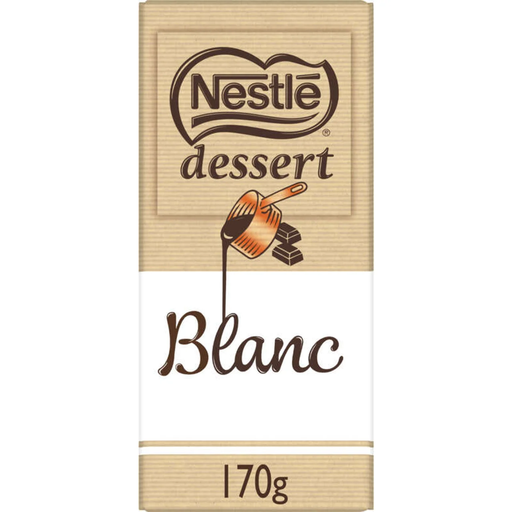 Image unavailable
Worth considering if your recipe calls for white baking chocolate. Check the quantities and instructions before you get started.
170 g bar. Check the ingredients and allergen information on the packaging before serving the cake.
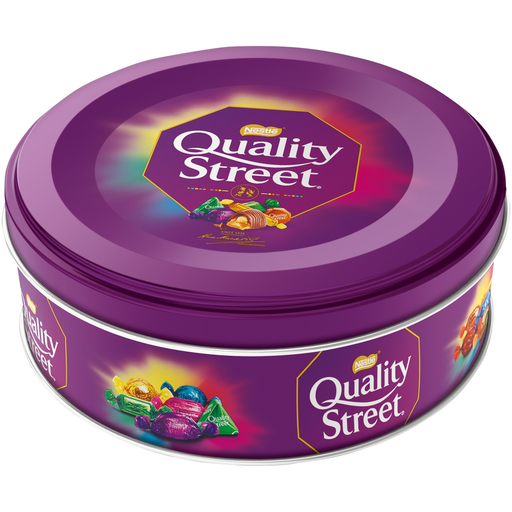 Image unavailable
Consider this for sharing chocolates and toffees. If you’re planning to give the box as a gift, check its presentation before buying.
400 g box. Before adding any pieces to a cake, check their ingredients and adapt the recipe.
Not without checking the chocolates and adapting the recipe. The Ferrero Collection assortment listed by Carrefour contains different fillings and several ingredients, so it isn’t a direct substitute for a bar of baking chocolate.
Read the ingredients list on the box you’ve bought, check its net weight and look for information specific to the different chocolates. The DGCCRF says allergenic ingredients must be highlighted. This is particularly important if you’re adding some of the assortment to a cake you’ll be sharing.
No. The name “dark chocolate” alone doesn’t tell you what’s in a particular product. Before making or serving the cake, check the ingredients, highlighted allergens and any “may contain” information on the exact packaging.
No. Valrhona Selection says its fluidity is useful for tasks such as coating and moulding. For cake batter, start by following the type and quantity of chocolate specified in your recipe.