People making biscuits at home
If you need to melt or chop chocolate for a dough, look for a bar suitable for baking rather than a ready-made biscuit. Auchan and E.Leclerc include baking chocolate in their ranges of dessert ingredients.


To add chocolate to biscuit dough, start with a bar labelled as baking chocolate and choose the type to suit the recipe. Ready-made chocolate biscuits are better suited to recipes that call for biscuit pieces; a gift box is primarily intended as a present and won’t automatically work as a baking ingredient. In every case, check the ingredients, listed allergens and nutritional information for the product you choose.
If you need to melt or chop chocolate for a dough, look for a bar suitable for baking rather than a ready-made biscuit. Auchan and E.Leclerc include baking chocolate in their ranges of dessert ingredients.
A crumb base, topping or decoration may call for a ready-made biscuit. The ranges offered by LU, BN and E.Leclerc make it easy to distinguish this use from that of a chocolate bar to add to your mixture.
If ingredients, allergens or sugar content influence your purchase, compare the information on the specific products you’re considering. ANSES notes that ingredient lists and nutritional information are part of food labelling.
First decide whether you need chocolate to add to a recipe, a ready-made biscuit or a gift. Then use the label to compare products in the category you’ve chosen.
Choose this: if the recipe calls for chocolate to melt, chop or mix into the dough.
Bear in mind: the type of chocolate and its sugar content may mean you need to adjust the recipe.
Choose these: for eating as they are, or for a recipe that specifically calls for ready-made biscuits.
Bear in mind: their ingredients and texture aren’t a direct substitute for a baking chocolate bar.
Choose this: when you’re mainly buying something to give as a present or share.
Bear in mind: if you’re also thinking of using the contents for baking, check each chocolate and make sure it’s suitable for the recipe.
| What to consider | What to check | Who is it for? |
|---|---|---|
| Chocolate to add to a recipe | The ‘baking chocolate’ label and the type of chocolate called for in the recipe. | If I’m making a dough with melted or chopped chocolate, I need an ingredient rather than a finished biscuit. Around 36% of consumers would make this their top priority. |
| Ingredients | The ingredients list, listed allergens and sugar per 100 g. | If I need to account for an ingredient or compare sugar content, the label on the product I choose is key. This would be the top priority for around 29% of consumers. |
| Ready-made biscuit | The type of biscuit and how its pieces will be used in the recipe. | My recipe calls for a crumb base or a biscuit topping, so that’s the texture I’m looking for above all. Around 21% of consumers would prioritise this use. |
| Gift | The contents of the gift box and, if you’re considering using them in a recipe, the ingredients in its chocolates. | I mainly want to give someone chocolates, even if I might use some in a recipe later. Around 14% of consumers would have gifting as their main need. |
A biscuit is already a finished product. Adding it to dough changes the ingredients and may affect the texture you’re aiming for.
For melted or chopped chocolate, start with a bar labelled as suitable for baking. Save biscuits for recipes that call for ready-made biscuits.
According to Santé publique France, producers can choose whether to display Nutri-Score. Its absence therefore doesn’t tell you, by itself, what a product contains.
If it appears on the packaging, consider it alongside the ingredients list and nutritional information, comparing products intended for the same use.
The French Ministry of the Economy describes this levy as applying to sugary drinks, so it isn’t a way to compare biscuits or chocolate bars.
To compare their sugar content, check the nutritional information per 100 g for each product.
A biscuit or chocolate from a gift box brings its own ingredients into the recipe. This may change which ingredients and allergens you need to take into account.
Before changing a recipe, check the labelling on the product you’re actually adding, especially if you need to avoid an allergen.
LU offers a range of biscuits, including the Petit Écolier range.
BN offers, among other things, chocolate-filled snack biscuits.
The retailer offers baking chocolate bars, including dark, milk and white chocolate.
E.Leclerc offers Marque Repère baking chocolate separately from chocolate biscuits.
These are ready-made chocolate biscuits. They’re worth considering for eating as they are, or if your recipe calls for a baked biscuit. If you need chocolate to melt or add on its own to the dough, look for a baking chocolate bar instead.
 Image unavailable
Worth considering if your recipe calls for a ready-made biscuit, rather than baking chocolate to add on its own. Check the ingredients and listed allergens on the packaging before adding it to your recipe.
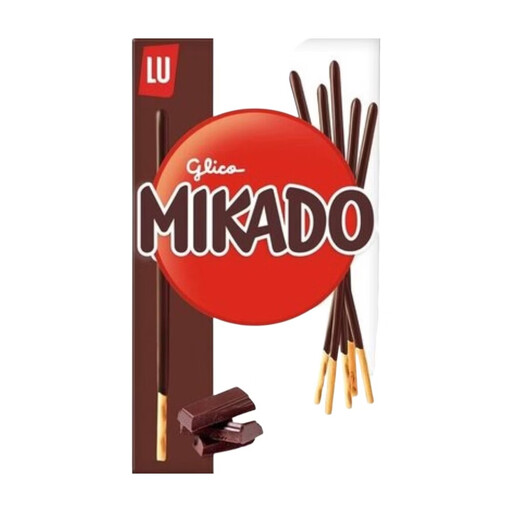 Image unavailable
These chocolate-coated sticks may suit a recipe that calls for ready-made biscuits. The 75 g pack size alone doesn’t tell you whether they’re right for a particular recipe, so check the recipe and the label.
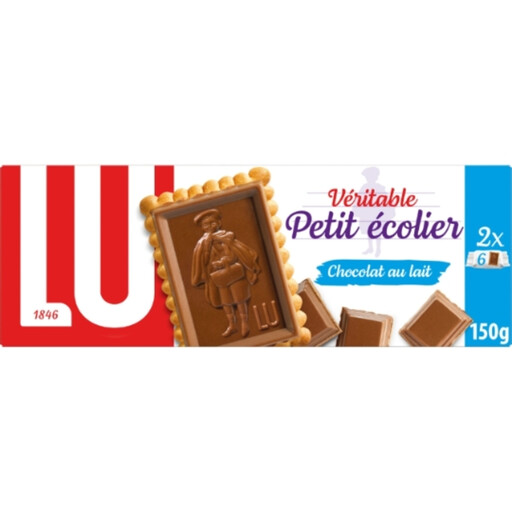 Image unavailable
These milk chocolate-coated biscuits are worth considering when a recipe calls for a ready-made biscuit. They aren’t a substitute for a baking chocolate bar; check the ingredients and listed allergens before use.
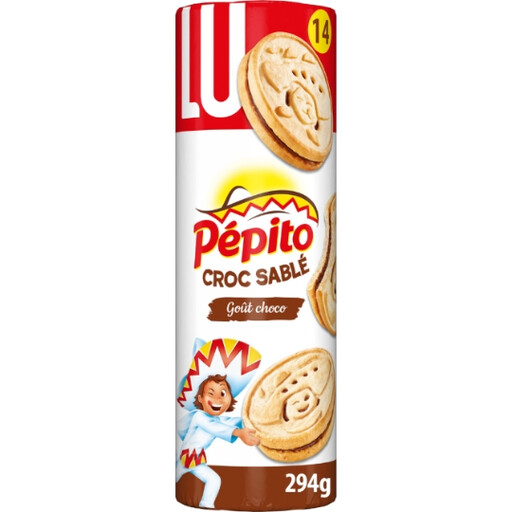 Image unavailable
Worth considering if your recipe calls for ready-made filled biscuits; make sure the filling suits the dish you’re preparing. Check the ingredients list and allergen labelling on the packaging.
No. According to Santé publique France, displaying it is voluntary for producers. When comparing biscuits, check their ingredients and nutritional information too; the absence of Nutri-Score isn’t enough on its own to judge a product.
No: the levy described by the French Ministry of the Economy applies to sugary drinks. To choose biscuits or chocolate based on their sugar content, compare the nutritional information per 100 g.
Make sure the recipe works with the ready-made product, then read its ingredients list and check the allergens listed on the packaging. Check the product you’ll actually use, not just the ingredients in the original recipe.
Follow the storage instructions on the packaging of the bar you’ve chosen. Check them before storing it rather than applying instructions for one specific product to every chocolate bar.