
Livraison le jour même ou le lendemain

Qualité garantie

Débloquez vos offres de bienvenue: Livraison GRATUITE | Jusqu'à -80 % | 30 jours d'essai gratuits à JoyPlus
Téléchargez l'application
Baking at home is a real joy... until your equipment gets in the way. A cake that refuses to come out of the pan, dough that tears, a failed frosting: these little kitchen dramas are often the fault of poorly chosen gear. Before splurging on new baking tools, it's crucial to know the pitfalls to avoid so that every creation is a resounding success.
We too often fall for marketing promises that don't hold up. Here are the most common traps to be aware of:
To avoid falling into these traps, let's focus on the criteria that truly make a difference for good bakeware.
Equipping yourself well doesn't mean spending more, but spending smarter. To do that, you need to understand what really counts. Here are three checkpoints to guide your choice.
The choice of material is not trivial: it directly affects the bake and the lifespan of your tools.
For metal pans, the coating is the cornerstone. It must be both durable and safe. Silicone-based options, often guaranteed PTFE- and PFOA-free, offer an interesting alternative to traditional coatings. They ensure easy release while being designed to resist light scratches (from wooden or silicone utensils) and heat. The "hand wash recommended" note isn't a constraint: it's often a guarantee of longevity for this type of delicate surface.
Investing in versatile tools is a smart move. A rolling pin with adjustable rings allows you to roll out dough to a precise and uniform thickness, whether for cookies, tarts, or fresh pasta. Similarly, a springform pan with interchangeable bases (e.g., a flat base and a Bundt-style base) allows you to make different recipes with a single tool, thus optimising space and budget.
To help you see more clearly, we have selected products that suit different types of bakers, based on the quality and practicality criteria we've just discussed.
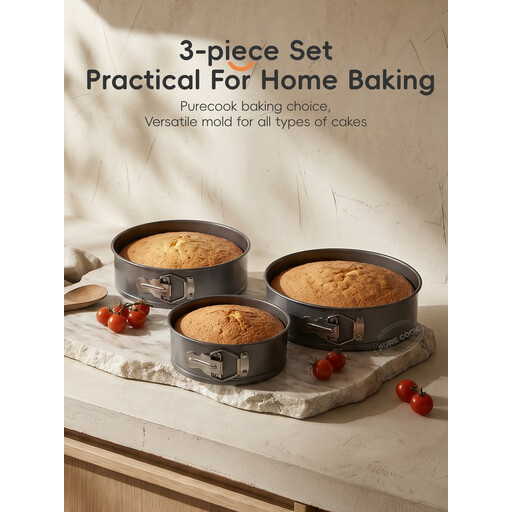
Why it's a great choice: Ideal for those just starting out who want to get the essentials. This set of three different sizes covers the most common needs (birthday cakes, cheesecakes) without cluttering your kitchen with superfluous gadgets.
Unlike low-quality "all-in-one" kits, this set focuses on three functional springform pans. The springform system makes unmolding easy, preventing the frustration of broken cakes—a common problem for beginners.
Carbon steel construction for even baking. The non-stick coating and quick-release clip simplify use and cleaning.
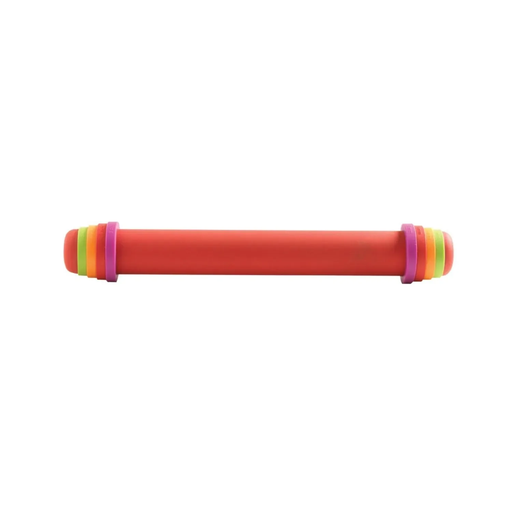
Why it's a great choice: For the baker looking to perfect their tarts, cookies, or pizzas, dough thickness is not a minor detail. This rolling pin provides millimetre-perfect control for consistent, professional results.
It solves the problem of inconsistency. No more tart bases that are too thick in the middle and too thin at the edges. The BPA-free silicone surface prevents dough from sticking, reducing the need to add extra flour which can dry out the mixture.
Four pairs of removable rings for thicknesses of 2, 4, 6, and 8 mm. The non-stick surface and dishwasher-safe compatibility make it very practical to use and clean.
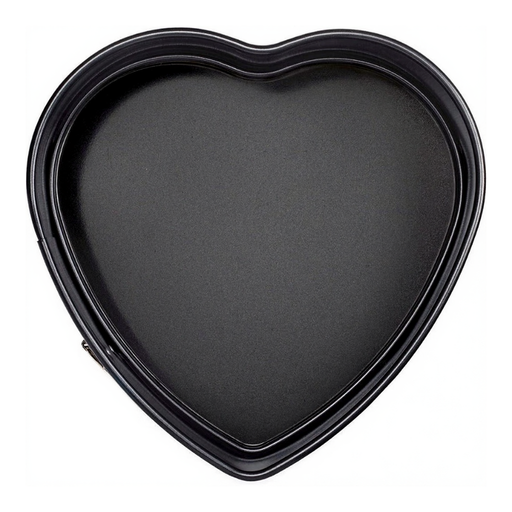
Why it's a great choice: For those who love to create memorable desserts for Valentine's Day, a birthday, or just to show they care. This pan combines baking performance with a design that turns a simple cake into a centrepiece.
It tackles the pitfall of a deteriorating coating. Its non-stick coating is silicone-based, PTFE-free, and designed for high durability. The heavy-gauge carbon steel resists warping, ensuring years of use.
Superior heat conduction thanks to the carbon steel. The removable base and sturdy hinge ensure perfect release for a flawless presentation.
We have compiled a complete and updated list of products that meet our strict selection criteria and comply with European safety standards.
The golden rule is to avoid anything abrasive. Wash them by hand with a soft sponge and washing-up liquid. Never use metal utensils to cut or serve directly from the pan; opt for wood, silicone, or plastic. Finally, avoid thermal shock by letting the pan cool completely before immersing it in water.
Essential, no. Incredibly practical, yes. It provides a non-stick, clean, and often-graduated work surface, ideal for kneading and rolling out dough effortlessly. It protects your countertop and saves you from adding too much flour, which can alter the texture of your bakes. The cherry on top is that it can also be used as a reusable baking sheet.
It is strongly advised not to use knives, forks, or metal spatulas with pans that have a non-stick coating, whether they are carbon steel or another material. Metal scratches and damages the surface, which negates its non-stick properties and can shorten the pan's lifespan. Always opt for silicone, wood, or nylon utensils.