What should you check before choosing?
First decide how you’re happy to dispose of the waste, then look at the filtration and maintenance requirements of the specific model.
Bagged cylinder vacuum cleaner
Worth considering: if avoiding the need to empty and clean a dust container is your priority. Que Choisir describes this as an advantage of bagged models when disposing of waste.
The trade-off: you’ll need to replace the bags and find the right compatible reference. The way they seal varies depending on the system.
Bagless vacuum cleaner or one with a station
Worth considering: if you’re happy to maintain a dust container. Depending on its design, an automatic station can take care of the vacuum cleaner’s routine emptying.
The trade-off: you’ll still need to remove waste from the dust container or station, and maintain the filters as instructed in the manual.
| Priority |
What to check |
What I need |
| Waste disposal |
Check whether waste is removed in a bag or emptied from a dust container. For a bag, check how it seals and whether it’s compatible; for a station, find out how waste is eventually removed from it. |
I’d rather throw away a bag than open and clean a dusty container. |
| Filtration |
Check the filter reference and class, where these are given, as well as how and how often it needs to be maintained. A filter specification alone does not describe emissions from the complete appliance. |
I want to compare a specific feature and find out what I’ll need to do when maintaining it. |
| Floor cleaning |
Compare performance on the types of flooring you have and, where tests are available, how the appliance performs as its dust container fills up. Also consider how easy it is to maintain. |
My floors aren’t all the same, so the dust collection system shouldn’t be my only consideration. |
| Consumables |
Make a note of compatible bag and filter references, their availability, replacement requirements and current cost. |
I want to be able to follow the model’s maintenance schedule and find the right consumables without difficulty. |
Which brands offer useful points of comparison?
These examples of product ranges and consumables can help you make specific checks, but they don’t represent every model from each brand.
Rowenta
The French brand’s range of bagged cylinder vacuum cleaners includes a Silence Force Effitech model advertised with a 4.5 L dust container, as well as offers that pair an appliance with Hygiene+ bags.
- Rowenta describes its Hygiene+ bag as designed to limit the spread of dust when changing it.
- Check that the bag shown is suitable for your chosen model and look at how it is removed in practice. A claim about the bag does not describe the complete appliance.
Miele
The brand offers HyClean Pure GN bags and separate filters, with compatibility depending on the vacuum cleaner reference.
- Miele says the GN bag has an automatic sealing mechanism and states that its SF-HA 50-1 filter is HEPA H13 class according to NF EN 1822/2019.
- Don’t assume this filter is included with every Miele vacuum cleaner. Confirm compatible references and follow the recommended replacement frequency for the filter you choose.
Dyson
The V10 Konical with Auto-empty Dok station is an example of a cordless stick vacuum whose dust container is emptied by a station.
- Dyson says the station empties the vacuum cleaner after each clean.
- This feature doesn’t remove the need to check how to empty and maintain the station. Advertised filtration specifications don’t quantify the dust released during these tasks.
Vacuum cleaners and stations to consider on Joybuy
These options include a bagged cylinder vacuum cleaner, stick vacuums with emptying stations and a robot vacuum with a bagless station. Focus on the final step of waste disposal: it differs even when the vacuum cleaner empties automatically.
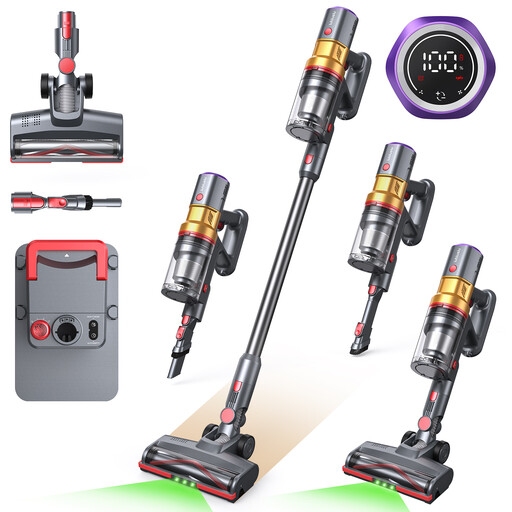 Image unavailable
Lubluelu X1000 with emptying station
This cordless stick vacuum is for people who want a station to take care of routine emptying of the dust container. Its product name states a suction power of 27 kPa; also check how to remove waste from the station and maintain the filter.
View on Joybuy
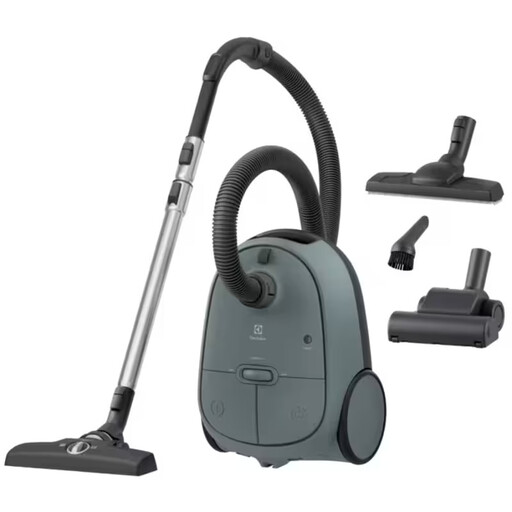 Image unavailable
Electrolux 600 EB61C4OG bagged vacuum cleaner
This bagged cylinder vacuum cleaner lets you avoid emptying a dust container, which is important if you want to handle less of the dust you’ve collected. Check how the bag seals, its compatible reference and the filter maintenance instructions.
View on Joybuy
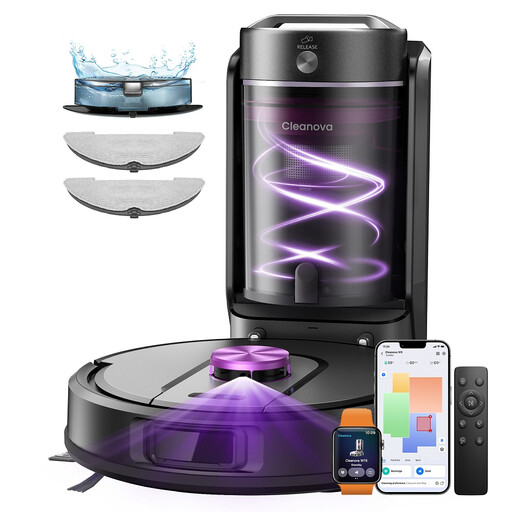 Image unavailable
Vactidy W15 with bagless station
This robot vacuum and mop pairs automatic emptying with a bagless station, so check how to empty the station itself and clean its filters. Its product name states LiDAR navigation, five maps and up to 180 minutes of runtime.
View on Joybuy
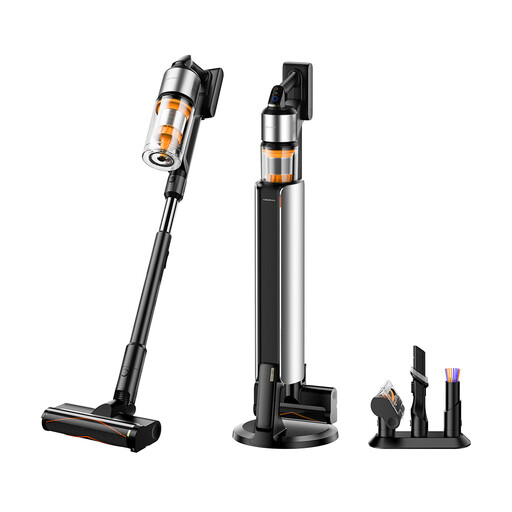 Image unavailable
Deerma Z50 Combo with collection station
This cordless stick vacuum transfers waste to its automatic collection station. Check how to replace the station’s bag before choosing. Its product name states 27,000 Pa, up to 70 minutes of runtime and nine-stage filtration, but these specifications alone don’t describe emissions from the complete appliance.
View on Joybuy
Frequently asked questions
Does a bagged vacuum cleaner mean you don’t have to empty a dusty container?
Yes. You remove and throw away the bag instead of emptying and cleaning a dust container, a difference highlighted by Que Choisir. To handle less dust when removing the bag, check how the bag compatible with your chosen model seals.
Does an automatic station eliminate contact with waste?
No. It can take care of routine emptying of the vacuum cleaner’s dust container, but you’ll still need to remove the waste that builds up in the station. Check whether the station uses a bag or a dust container, then find out what emptying it involves and how it needs to be maintained.
Is a HEPA filter enough to help you choose a vacuum cleaner?
No. A filter’s class describes that component, but it doesn’t on its own tell you about emissions from the complete appliance or what emptying it involves. A study published in Environmental Science & Technology found that emissions varied considerably among the vacuum cleaners tested. Also compare the dust collection system, maintenance requirements and tests of the model you’re considering.
When should you replace a HEPA filter?
Follow the instructions for the filter compatible with your appliance. Miele, for example, recommends replacing its SF-HA 50-1 once a year; this guidance doesn’t set the maintenance frequency for other filters.
Does the repairability index apply to vacuum cleaners in France?
Yes. ADEME lists vacuum cleaners among the appliances covered by the repairability index. You can compare the index shown for the models you’re considering, while checking separately whether their bags, filters and maintenance parts are available.


