
Livraison le jour même ou le lendemain

Qualité garantie

Débloquez vos offres de bienvenue: Livraison GRATUITE | Jusqu'à -80 % | 30 jours d'essai gratuits à JoyPlus
Téléchargez l'application
Finding the ideal cooking companion for a hike or an overnight trip can quickly become a headache. Between weight, power, compactness, and reliability, there are numerous factors to consider. The wrong choice can turn a much-anticipated meal break into a total hassle.
This guide is here to help you make sense of it all and decipher the features of a good backpacking gas stove. We've selected models with very different profiles to help you find the one that's right for you, whether you're an ultralight trekking enthusiast or a fan of comfort-style camping.
Before diving into our selection, let's review the key technical points that will make all the difference in the field.
For any outing where every gram counts, weight is obviously the number one criterion. A lightweight hiking stove generally weighs less than 300 grams. The highest-performing models, true mini gas stoves, fold down to nothing to slip into a cook pot or a backpack pocket. In short, compactness is king for any portable camping stove worthy of the name.
Power, measured in watts (W), determines how quickly your water will boil. Aim for around 3000?W for rapid heating. Be careful, though: this power is useless without good stability and effective protection from the elements. A stove with a windshield, whether integrated or separate, is therefore essential to maintain a stable flame and conserve gas. Piezo ignition is another highly appreciated convenience: it saves you from fumbling with a lighter or matches, especially in wet weather or while wearing gloves.
The vast majority of hiking stoves are designed for threaded valve gas canisters that comply with the European EN 417 standard. The good news: these canisters (a mix of butane and propane) are easy to find and very safe, as they can be unscrewed even when full. Just remember to check the availability of canisters in the region where you're travelling. Some models even come with adapters for even more versatility.
Here is our selection of models for every profile, from the minimalist bivouac stove to a more heavy-duty solution for base camp.
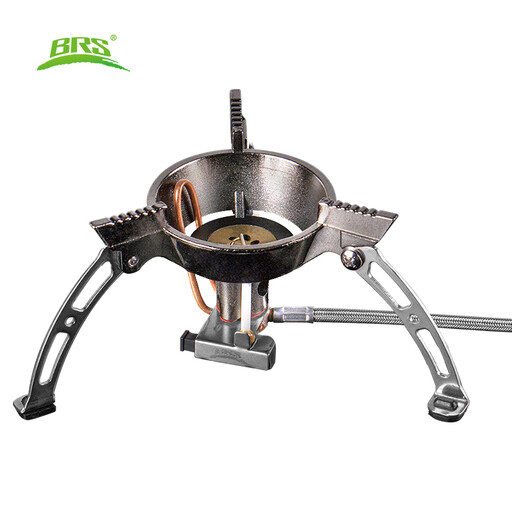
What sets it apart This BRS stove is a powerhouse of technology designed for demanding hikers. Its key strength: an unbeatable power-to-weight ratio. Weighing only 240 grams, it delivers 3240 W of power, enough to bring water to a boil in record time. Its windproof design and foldable, non-slip supports ensure excellent efficiency, even when the weather turns.
Pros
Who is it for? Ideal for trekkers, mountaineers, and all adventurers for whom lightness and performance are top priorities. The perfect companion for solo or duo bivouac trips.
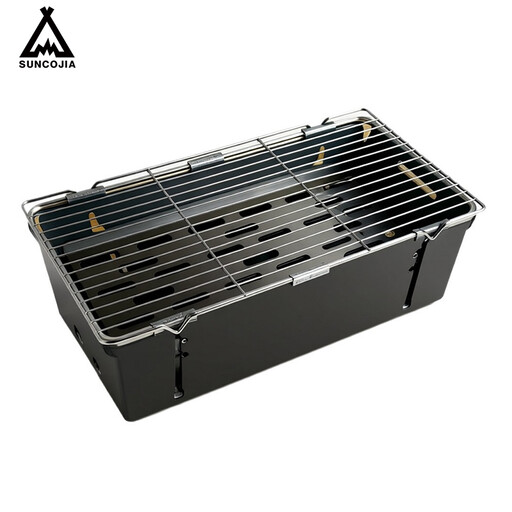
What sets it apart This model is in a completely different category. It's not a gas stove, but a wood or charcoal stove. Built from thick carbon steel, it's all about durability and cooking surface area. At 3.6?kg, it's intended for stationary or vehicle-based use. It's perfect for setting up a base camp or for outdoor barbecues.
Pros
Who is it for? Perfect for families and groups on camping trips, for picnics, or for impromptu barbecues. Here, the focus is on social gatherings and sturdiness over lightweight portability.
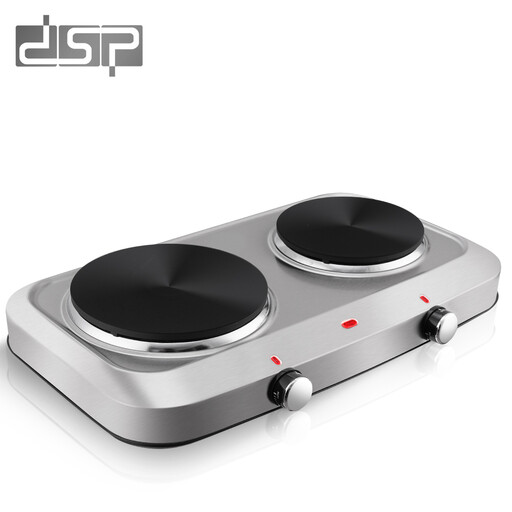
What sets it apart This electric hot plate is the alternative for those who don't want to bother with gas canisters and have access to a power outlet. With its two independent burners of 1500W and 1000W, it allows you to cook several dishes at the same time, just like at home.
Pros
Who is it for? Perfect for camping in a cabin, van, RV, or any campsite that offers an electrical hookup. It's also an excellent backup cooktop for a studio apartment or kitchenette.
The models presented here cover very specific scenarios, from self-sufficient trekking to full-comfort camping. If your project involves heating a larger shelter, like a wall tent or a tipi, more powerful solutions are available.
To discover equipment capable of heating larger spaces, take a look at our selection of camping tent stoves.
The vast majority of hiking stoves, including lightweight models, use threaded valve gas canisters containing a mix of butane and propane. These canisters comply with the EN 417 standard. Propane ensures better performance in cold weather, while butane is effective at milder temperatures.
No, it's not essential, but it is highly recommended. A stove with piezo ignition offers a real comfort bonus, especially with cold hands, gloves, or in windy conditions. No more searching for a lighter or matches, which can get wet or lost. It's a guarantee of reliability and simplicity.
Maintenance is very simple. After each use, check that no food residue is left on the burner. Before storing it, inspect the condition of the seal at the base of the thread. Store it in a dry place, preferably in its protective case to shield it from impacts and dust. Regular checks will ensure its longevity and your safety.