
Livraison le jour même ou le lendemain

Qualité garantie

Débloquez vos offres de bienvenue: Livraison GRATUITE | Jusqu'à -80 % | 30 jours d'essai gratuits à JoyPlus
Téléchargez l'application
Choosing a backpack might seem simple, but it's a purchase where every detail matters. The wrong choice often means discomfort, poorly protected gear, or a bag that fails prematurely. To make an informed purchase, it's best to know the most common pitfalls.
Many people are swayed by vague marketing claims. We often see bags advertised as "ultra-durable" or "high-capacity" without any specifics. The result? A bag that tears on the first demanding outing or a volume that's nearly unusable due to a lack of well-designed compartments. Two common mistakes are particularly costly for buyers:
To avoid these disappointments, let's break down the technical features that truly make a difference depending on your needs.
A backpack's capacity, measured in litres, is the first thing to check. It should be perfectly suited to your primary use.
But raw volume isn't everything: internal organisation is crucial. Look for dedicated compartments (especially a padded sleeve for a laptop backpack), side pockets for a water bottle, and secure pockets for your valuables.
The choice of fabric directly impacts the bag's durability and protection.
When it comes to rain, the distinction is simple and crucial:
Even a lightweight bag becomes uncomfortable if it's poorly designed.
To put theory into practice, here are a few models that perfectly illustrate these criteria for specific uses.
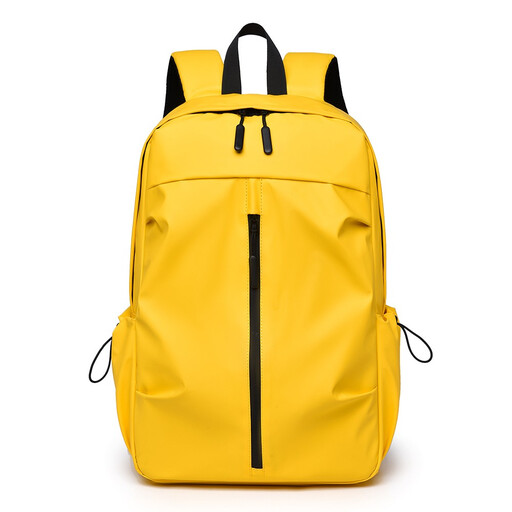
Why it's a great fit: Designed for daily commutes, it combines a lightweight build, smart organisation with multiple pockets, and a dedicated compartment that protects your laptop (up to 15.6 inches) from bumps.
Its water-repellent fabric is perfect for a surprise city shower. Meanwhile, the padded compartment keeps your laptop safe from the jolts of daily life.
Lightweight and optimised organisation for daily use (work, school).
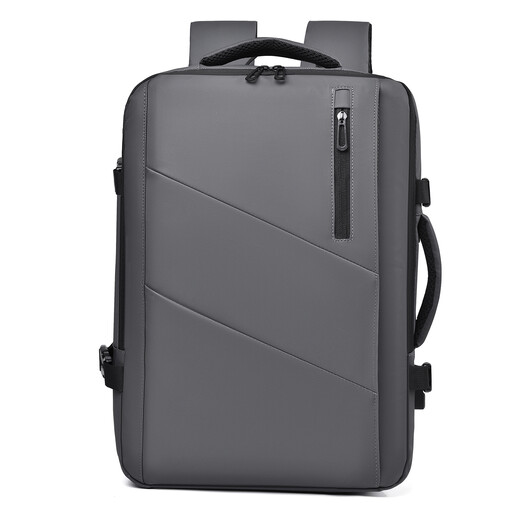
Why it's a great fit: Ideal for short trips, this travel backpack expands from 25L to 35L. Its dimensions are optimised for use as a carry-on backpack, and its compartments make it easy to separate work gear from personal items.
Its expandable feature solves the capacity headache. No more juggling multiple bags; it adapts whether you're away for one night or a long weekend.
Highly versatile thanks to its adjustable capacity and carry-on compatibility.
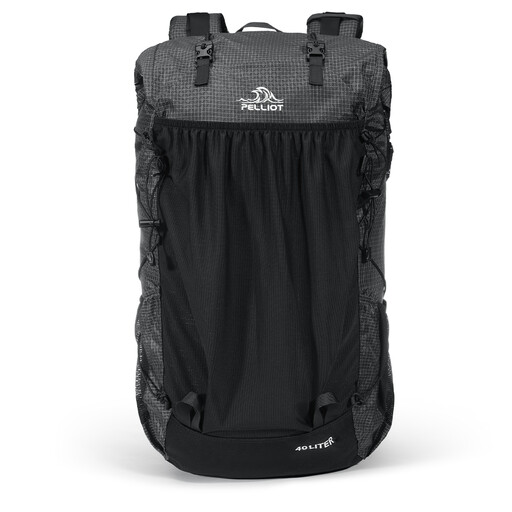
Why it's a great fit: This 40L trekking backpack is designed for comfort over long distances. Its alloy frame and dynamic harness system distribute the load to your hips, significantly reducing shoulder fatigue.
It tackles the comfort trap head-on. Its advanced harness system and breathable back panel are decisive technical advantages for 2-3 day hikes.
Excellent load distribution for comfortable carrying, even with heavy gear.
Want to explore more? Discover our full selection of backpacks that meet all our quality criteria.
To put it simply: a water-repellent bag has a surface treatment that makes water droplets bead up. It protects you from a light, brief shower. In contrast, a waterproof bag uses materials and construction (like sealed seams) that prevent water from getting in, even in a downpour. For your electronics or outdoor adventures, waterproofness is much better insurance.
Most airlines accept carry-on luggage around 55 x 35 x 25 cm. A 30 to 40-litre carry-on backpack generally meets these limits. Expandable models are particularly clever, as they allow you to adjust the volume. A word of advice: always check your airline's specific restrictions before you travel to avoid any unpleasant surprises.
A good fit is key. Start with the hip belt: it should rest on top of your hip bones. Tighten it so that the bag's weight is primarily supported by your pelvis. Next, adjust the shoulder straps so the bag is stable and snug against your back. Finally, set the chest strap to a comfortable height to properly stabilise the shoulder straps. A well-adjusted bag should feel like a part of you, without swaying or pulling on your shoulders.