
Livraison le jour même ou le lendemain

Qualité garantie

Débloquez vos offres de bienvenue: Livraison GRATUITE | Jusqu'à -80 % | 30 jours d'essai gratuits à JoyPlus
Téléchargez l'application
Having a baby comes with a long shopping list, but not all babycare products meet the same needs. Between promises of universal comfort, “sensitive skin” claims and over-equipped kits, the bill can quickly rise without offering any real practical benefit.
Three common pitfalls regularly arise when choosing babycare products:
Whether you are preparing for a birth or updating your child’s equipment up to the age of 3, it is therefore better to rely on practical, measurable criteria.
For an ergonomic baby carrier, check the weight range, the permitted carrying positions and the level of head support. The so-called “M” position places the knees higher than the bottom, but this guidance does not replace the manufacturer’s instructions. The adjustments should allow you to position the straps correctly and keep the baby close to the wearer without obstructing their airways.
A baby bath seat must also be suitable for the stated age. Suction cups, a non-slip surface and stability in the bath are useful features, but no device allows you to leave a baby alone in water. Constant supervision by an adult is still essential.
For textiles, cotton is valued for its soft feel and easy care. A cotton baby muslin or muslin squares can be used to wipe the child, protect your shoulder or cover a clean surface. Check the fabric’s density, dimensions and washing instructions rather than relying solely on a simple promise of softness.
For care products, examine the INCI list and the usage precautions. A baby moisturising lotion may contain fragrance, even when presented as suitable for newborns. Organic baby liniment and cotton products intended for nappy changes should be used as directed, on clean, intact skin. If redness persists or a reaction occurs, stop using the product and seek advice from a healthcare professional.
Baby wipes for sensitive skin are not all the same. Some are fragranced and others are not, while their material may be textile, cellulose-based or made from plant fibres. The term biodegradable does not mean that they can be flushed down the toilet.
A wide-neck bottle generally makes filling and washing easier. For an anti-colic bottle, focus above all on the design of the valve, the teat flow and the compatibility of the different parts. Manufacturers present these systems as helping to reduce swallowed air, but they do not guarantee that digestive discomfort will be avoided.
A baby care kit should contain genuinely useful accessories: a thermometer, nail clippers or a file, a nasal aspirator and a storage case. Electrical items and small parts must be used under adult supervision and cleaned in accordance with the instructions.
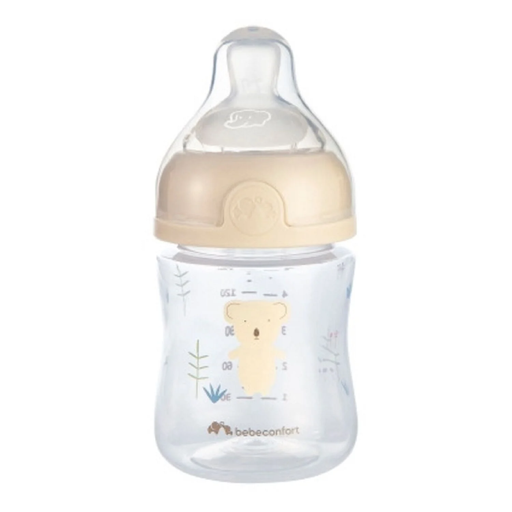
Why this choice suits this profile : Its 150 ml capacity is suitable for first feeds and means you do not have to start with a larger bottle that is less convenient to measure.
The wide neck makes filling and cleaning easier. The instructions require the bottle to be sterilised before first use and the teat to be checked regularly.
Physiological teat, ventilation system presented as anti-colic, made in France and suitable for use from birth.
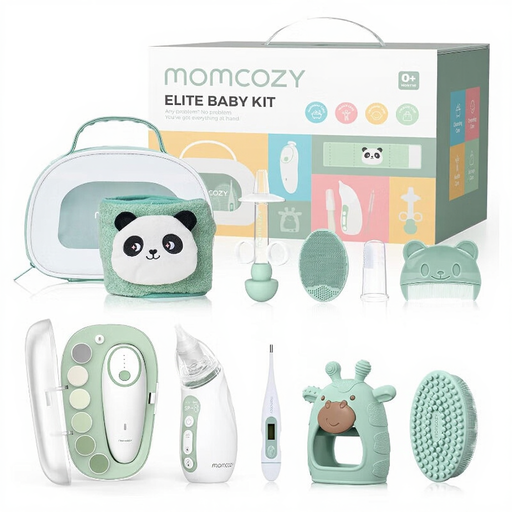
Why this choice suits this profile : This kit brings several accessories together in a case, making it a practical option for equipping a nursery or giving as a birth gift.
The case prevents the accessories from becoming scattered. However, each item should be checked separately and used under adult supervision.
Electric nail file, nasal aspirator, thermometer, heated wrap and storage included according to the product listing.
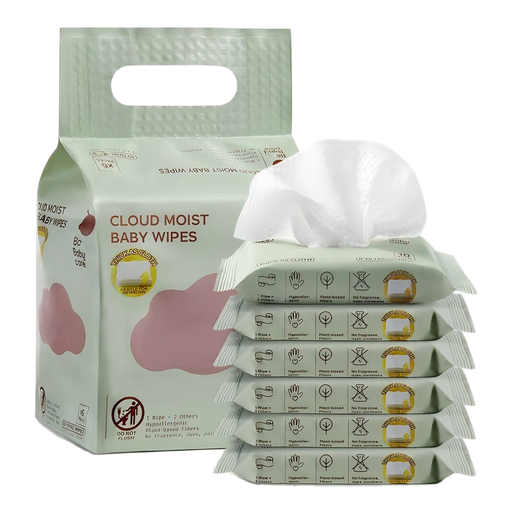
Why this choice suits this profile : The pack contains six small packs of ten wipes, making them easy to slip into a changing bag, take to nursery or bring along on trips out.
The formula is advertised as fragrance-free and the material is presented as being made from plastic-free cellulose fibres. The pack should be kept carefully sealed.
60 wipes, OEKO-TEX certification stated in the listing and fibres presented as biodegradable. Do not flush down the toilet.
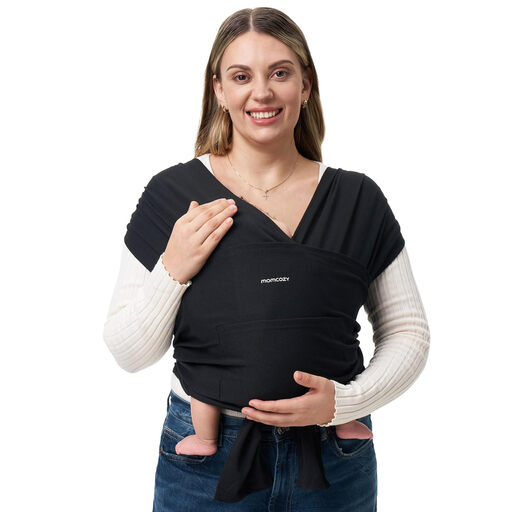
Why this choice suits this profile : With its double-ring adjustment and carry bag, this sling can accommodate frequent travel and changes of wearer.
The stated weight range is from 3.6 to 15 kg. The fabric must be correctly spread across the back, and the rings checked before every use.
Cotton-elastane blend, machine washable at 30 °C, front-facing position and knot-free adjustment according to the supplied description.
We have put together a complete, real-time updated list of products that meet these demanding selection criteria and European safety regulations.
For the first few weeks, a sensible list is generally enough:
Biolane cotton wool is advertised as certified organic cotton carrying GOTS certification from Ecocert, while Cattier liniment displays COSMOS Organic certification issued by Ecocert Greenlife. This information corresponds to the certifications mentioned by the manufacturers; it does not replace reading the label or checking how well the product is tolerated by your child.
Two to four bottles provide a practical starting point, depending on feeding frequency and your washing routine. A 150 ml model is often suitable for smaller quantities, while a 270 ml size can accommodate increasing volumes. The teat should be inspected before every use and replaced at the first signs of wear.
Check the date shown on the packaging and follow the storage instructions. Reseal the wipes pack after each use to help prevent the wipes from drying out. For cosmetics, any change in smell, texture or colour should mean that you stop using the product.
Only if the model explicitly allows it and its minimum weight corresponds to that of the newborn. Before every outing, check the baby’s position, head support, visibility of their face and the tightness of the fastenings. When fitting the carrier, the manufacturer’s instructions should always be your reference.