
Livraison le jour même ou le lendemain

Qualité garantie

Débloquez vos offres de bienvenue: Livraison GRATUITE | Jusqu'à -80 % | 30 jours d'essai gratuits à JoyPlus
Téléchargez l'application
Having a baby comes with a long shopping list: baby accessories, changing products, feeding bottles, everyday care items, baby carriers and bath-time essentials. Yet reassuring packaging or a long list of features does not necessarily mean that a product will suit the way you use it in the UK.
Three common pitfalls come up time and again:
Start by checking the age range and weight limits specified by the manufacturer for each product. An ergonomic baby carrier should support your child in accordance with the instructions, in a suitable position and with a secure adjustment that does not shift. Also check the seat width, head support and whether you can regularly monitor your baby’s breathing.
For bath time, a seat designed for 6 to 15 months is not suitable for a newborn. Suction cups can improve stability on a compatible surface, but they never replace constant adult supervision. A baby must never be left alone in water, not even for a few seconds.
Take the time to check the list of materials and the available compliance information. OEKO-TEX certification applies to certain textile components and confirms that substances have been tested according to the relevant standard. It does not mean that all risks associated with using the product have been eliminated.
For organic cotton for babies, look for a clearly identified certification, such as GOTS where stated, rather than a vague “natural” product claim. For baby care products, check the INCI list, whether fragrance is present and the instructions for use. Sensitive skin can react differently from one child to another: carry out a patch test if recommended in the instructions and stop using the product immediately if irritation occurs.
Electrical items and products containing small parts require particular care. Follow the warnings, age guidance and cleaning instructions. Certification or a safety marking never removes the need to check that the product is suitable for its intended use.
A wide-necked feeding bottle can make filling and washing easier. Even when fitted with a ventilation system, an anti-colic bottle must be dismantled and cleaned in accordance with the instructions. Inspect teats before every use and replace them at the first signs of wear.
For baby hygiene, compare the number of wipes per packet, how effective the closure is and the ingredients. Disposable wipes must never be flushed down the toilet, even when they appear to break down easily. Reusable cotton pads or cotton muslin cloths can reduce your consumption of disposable products, provided their washing frequency fits in with your daily routine.
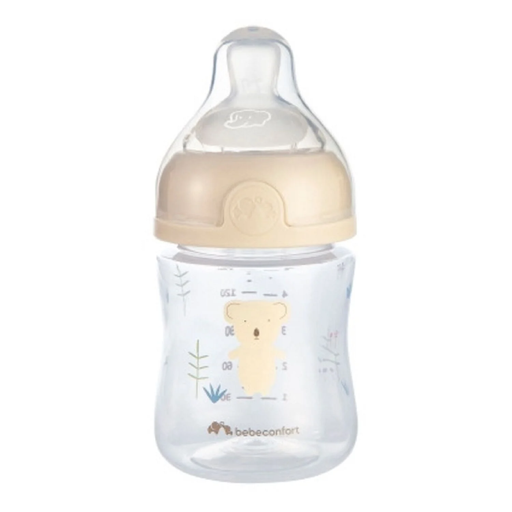
Why this choice suits this profile : its 150 ml size is suitable for early feeds, while the wide neck makes filling and everyday cleaning easier.
The product details mention a physiological teat, an anti-colic ventilation system and use from birth. Sterilisation and supervision are still necessary.
150 ml capacity, wide neck, classic screw system and manufacture stated as being in France.
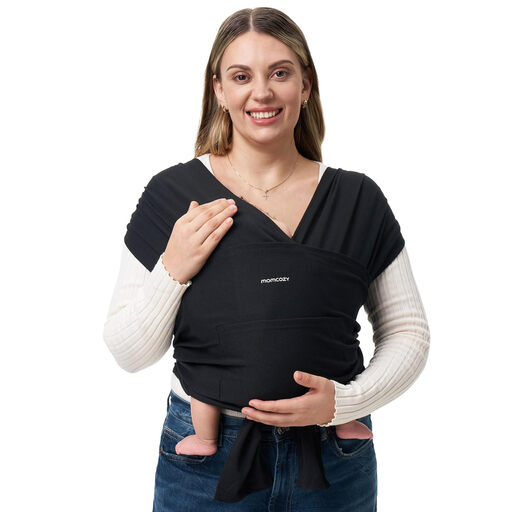
Why this choice suits this profile : the double-ring adjustment and stretchy fabric are ideal for parents looking for an adjustable carrier for travelling and getting around.
The recommended weight is between 3.6 and 15 kg. The adjustment must be checked every time you put it on, and the rings must be secured correctly.
Fabric stated as OEKO-TEX 100 certified, double-ring fastening, storage pocket and machine washing at 30 °C according to the product details.
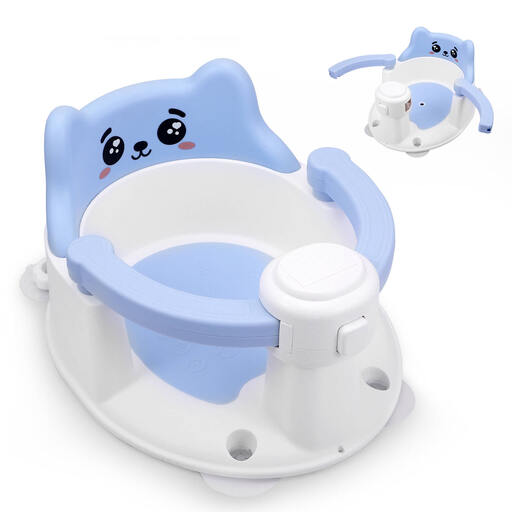
Why this choice suits this profile : this seat is intended for families who regularly bathe a baby who can already sit unaided, under the conditions specified by the manufacturer.
The stated age, four suction cups and non-slip surface are precise criteria to check before buying. Supervision in the water remains essential.
Stated 360° protection, four points of grip and a non-slip design for installation on a suitable surface.
We have put together a complete, real-time updated selection of products that meet these demanding criteria and European safety standards.
To avoid unnecessary spending, organise your list by use:
Corine de Farme moisturising milk, Biolane organic cotton wool and Cattier liniment illustrate three different approaches: body care, cotton-based cleaning and nappy changing with a certified formula. Always check the label, the best-before date and the instructions for use before using any product.
Start with a few clothes, muslin cloths, changing essentials, suitable transport and feeding equipment if you plan to bottle-feed. Items intended for a specific age, such as a bath seat, can wait until your child reaches the recommended age range.
It depends on the condition of the material and the manufacturer’s recommendations. Examine the teat before every feed and replace it as soon as it shows a crack, deformation or signs of weakening. The bottle should be washed after every use, then stored clean and completely dry.
No. They are convenient when you are out and about, but cotton wool moistened with water or a suitable product can work perfectly well at home. Whatever format you use, used wipes and cotton wool must be disposed of with general household waste, never flushed down the toilet.