
Livraison le jour même ou le lendemain

Qualité garantie

Débloquez vos offres de bienvenue: Livraison GRATUITE | Jusqu'à -80 % | 30 jours d'essai gratuits à JoyPlus
Téléchargez l'application
Redness, tightness, wipes that tear or a pack that dries out before you reach the end: choosing baby wipes for sensitive skin isn’t just about counting how many you get. For nappy changes, days out or cleaning little hands, the formula and design of the product can make a real difference day to day.
Terms like “natural”, “gentle” or “hypoallergenic” aren’t always easy to decode, though. Here are the criteria to look at so you can avoid disappointing purchases and find wipes that suit your routine in the UK.
A wipe can be made mostly of water while still containing preservatives, pH regulators or fragrance. Unscented baby wipes are often a safer choice for reactive skin, but do still take the time to check the full ingredients list.
“Hypoallergenic” doesn’t mean a reaction is impossible for everyone. If discomfort occurs, stop using the product, rinse the skin if needed and seek advice from a healthcare professional.
A thick wipe can feel nicer and be less likely to tear. That said, the texture, moisture level and how easily it comes out of the pack also matter. A wipe that’s too dry creates more friction and may mean you need to use several at once.
Claims like “3 times thicker” or “3.8 times more hydrating” are based on the manufacturer’s stated features. On their own, they don’t guarantee the same result in every situation.
Even if a pack says a wipe is flushable, UK drainage systems aren’t designed to cope with thick wipes on a regular basis. Products meant for the face, hands or nappy changes should generally go in the bin. Don’t reuse them and don’t rinse them.
For a newborn or sensitive skin, go for a fragrance-free formula with a clearly listed ingredients list. Wipes made with purified water – such as those formulated with 99% purified water according to the product description – can suit parents who want to keep added ingredients to a minimum.
Glycerin can add a feeling of comfort, while the pH and preservatives should be looked at as a whole. A textile certification like OEKO-TEX STANDARD 100 mainly covers substances in the fabric material. It doesn’t replace reading the liquid formula.
Cotton baby wipes don’t have the same texture as standard non-woven ones. Cotton can be used dry or dampened as needed, so you can control how much water you use to clean the face or hands.
Plant-based fibres and biodegradable wipes are part of an effort to reduce the use of certain materials. However, “biodegradable” doesn’t mean the wipe can be flushed. Always check the disposal and recycling instructions on the pack. Plastic-free wipes can also help limit synthetic fibres, but they still need to go in the bin after use.
A large pack saves you buying new ones too often – as long as you can reseal each pack properly. A poorly sealed opening lets moisture evaporate. In a changing bag, a single pack or a small pouch can be more practical than a family-sized bundle.
Store packs at room temperature, away from heat and direct light. Don’t use a product past its expiry date or if the smell, colour or texture has changed.
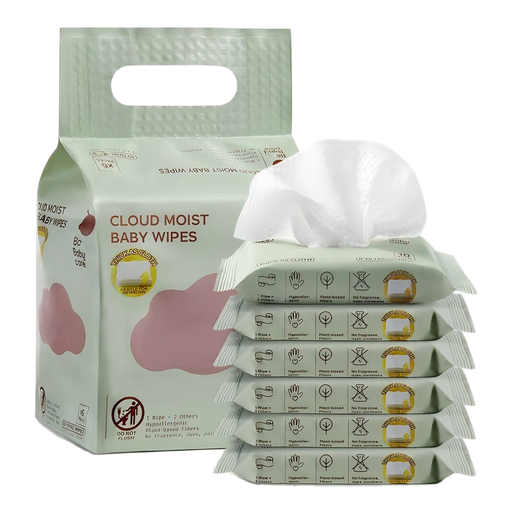
Why this suits this profile: This pack of 60 wipes lets you try a fragrance-free formula and keep several small packs for outings, without committing to a big stock straight away.
The description mentions a fragrance-free formula made with 99% purified water, plus a plant-based material stated as biodegradable and plastic-free.
60 pieces, OEKO-TEX certification stated on the product page and a handy split-pack format.

Why this suits this profile: This large pack will suit families who use thick, well-moisturised wipes every day, both at home and in the changing bag.
The stated thickness and fragrance-free formula address issues with tearing, dryness and added fragrance.
960 wipes, 99% purified water according to the product page, plant-based fibres stated as biodegradable and plastic-free.
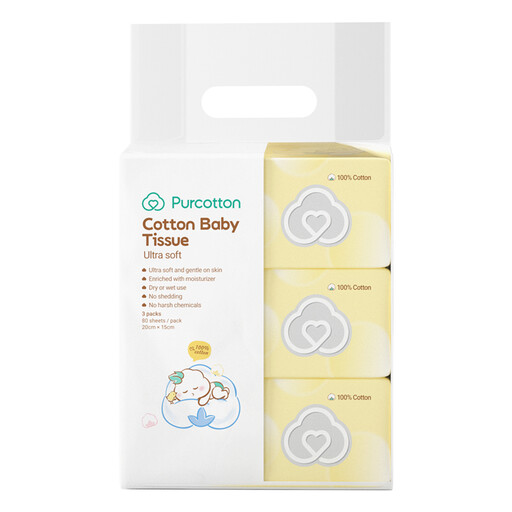
Why this suits this profile: This material can be used dry or damp for the face, hands and washing, especially if you prefer to add your own amount of water.
Using it dry or damp means you’re not relying on a pre-moistened pack that could dry out after opening.
100% cotton according to the product page, 240 sheets, dry or wet use, fragrance-free and no optical brighteners stated.
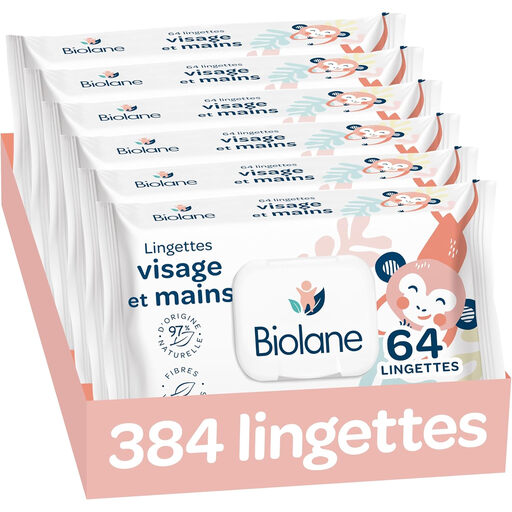
Why this suits this profile: This multi-pack format slips easily into your bag for days out, nursery or meals away from home, so you can quickly clean little faces and hands.
Its clear purpose for face and hands stops you confusing these wipes with a product that can be flushed. The product page states not to flush them down the toilet.
384 pieces, plant-based fibres and 97% naturally derived ingredients according to the product page. Please note: the formula contains fragrance.
We’ve put together a full selection, updated in real time, of products that meet these exacting criteria as well as European safety regulations.
Yes, as long as the label says the product is suitable for that use. Baby wipes for face and hands are generally designed for these areas, but avoid contact with the eyes and mouth. On irritated or grazed skin, stick to cleaning with water and ask a healthcare professional if the discomfort continues.
It depends on the manufacturer’s recommendations. Reseal the pack after each use and keep an eye on the moisture, smell and appearance of the wipes. A poorly sealed opening can dry them out quickly, increase how many you use and make them less comfortable.
No, unless the manufacturer explicitly says so. Even then, the product page may recommend only flushing small amounts to reduce the risk of blockages. For nappy wipes, cotton wipes and everyday cleaning products, the bin is the rule.