
Livraison le jour même ou le lendemain

Qualité garantie

Débloquez vos offres de bienvenue: Livraison GRATUITE | Jusqu'à -80 % | 30 jours d'essai gratuits à JoyPlus
Téléchargez l'application
A newborn's skin is particularly delicate and reactive. As a parent, finding the right skincare products, starting with baby wipes for sensitive skin, can quickly become a headache. Faced with a jungle of options, ingredients, and marketing promises, it's hard to know where to turn.
Our goal? To give you all the keys to making an informed choice with complete peace of mind. This guide reviews the essential criteria to know and offers a selection of tried-and-true products that respect your child's fragile skin.
To avoid spending hours in the aisles (online or in-store) and to be sure you're making the right choice, here are the key points to check before you buy.
The golden rule for sensitive skin is: the fewer ingredients, the better. Opt for the shortest, cleanest formulas to minimise the risk of a reaction.
Labels and fibre types are valuable indicators of quality and safety.
Packaging also matters depending on your lifestyle. Travel-size baby wipes, in packs of 10 or 20, are perfect for the diaper bag. More economical formats (60+ wipes) are ideal for the changing table at home. A rigid flip-top lid is often more effective than a simple adhesive sticker at keeping the wipes moist.
Here are some products that stand out for their ingredients, certifications, or use case. This should help you find the perfect match that meets your needs.
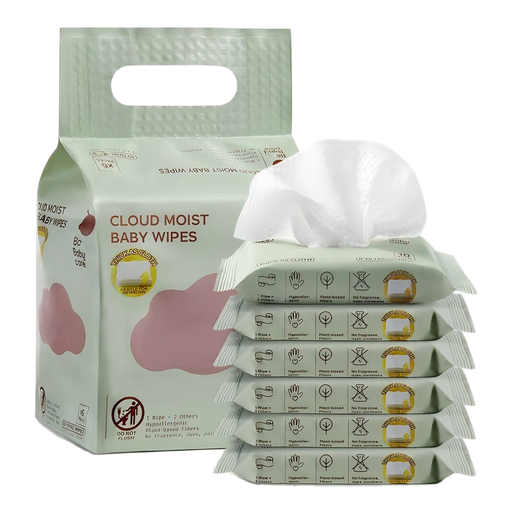
Why they stand out These wipes focus entirely on purity and safety. With a 99% purified water composition and an OEKO-TEX certification, they are designed for the most sensitive skin. Their above-average thickness and high moisture content allow for effective cleaning in a single wipe, thus reducing friction on the skin.
Key features
Who are they for? For parents seeking a minimalist, ultra-gentle, and certified solution for their newborn's very fragile skin, who are also eco-conscious.
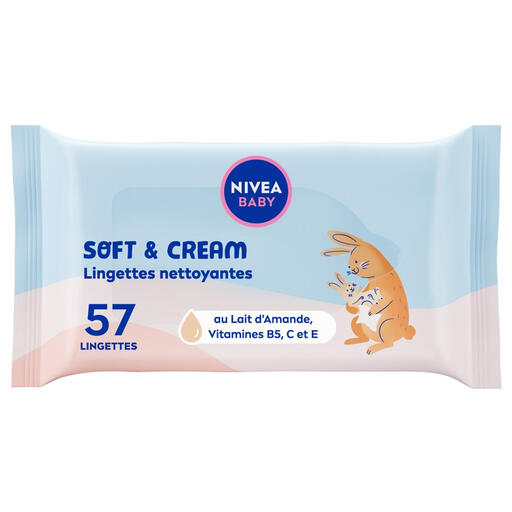
Why they stand out Here, the formula is enriched to provide genuine skincare in addition to cleaning. The addition of 100% natural sweet almond oil and vitamins (B5, C & E) aims to moisturise and protect baby's delicate skin. Versatile, they can be used on the body, face, and hands.
Key features
Who are they for? For parents who prefer "skincare-focused" and moisturising formulas, and who are not bothered by the presence of a light fragrance (specially developed for babies).
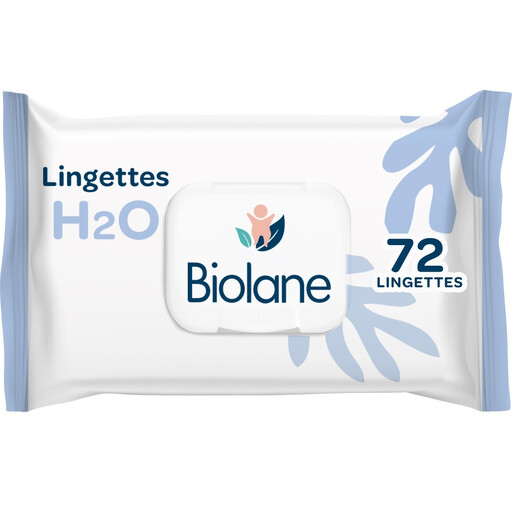
Why they stand out Specially formulated for changing sensitive skin, these wipes made in France clean, moisturise, and protect in a single step. Their formula with a physiological pH and no alcohol respects the skin's natural balance.
Key features
Who are they for? For parents who prioritise "Made in France" and are looking for a hypoallergenic product specifically designed for changing the most delicate skin.
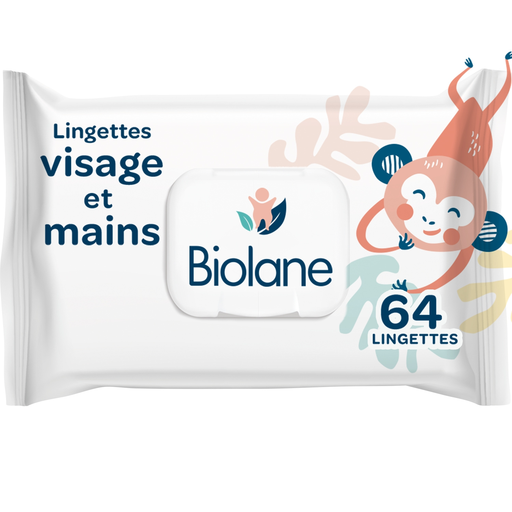
Why they stand out These wipes meet a specific need: cleaning the face and hands after a meal or activity. Composed of 97% ingredients of natural origin and made from plant-based fibres, they are tested to offer maximum safety.
Key features
Who are they for? For parents who want a safe, practical, on-the-go solution for small daily clean-ups (outside the diaper area), with a gentle and overwhelmingly natural formula.
Beyond daily care, a happy event like a birth or a christening may be on the horizon. If you're short on inspiration for an original gift suitable for little ones, take a look at our selection.
Discover our collection of christening gifts for children to find the perfect present.
Yes, but it's better to choose wipes specifically formulated for this purpose, like the Biolane Face & Hands wipes. Those designed for the diaper area may contain stronger cleansing agents that are not always suitable for the thinner skin on the face. When in doubt, always opt for a water-based formula.
It's all in the ingredients. Baby water wipes contain almost exclusively water (often over 99%) and a minimal number of other ingredients. Classic wipes can include lotions, fragrances, oils, and a wider variety of preservatives. For very sensitive skin or that of a newborn, water wipes are often the best recommendation.
Absolutely not! Even if they are biodegradable, wipes do not break down quickly enough in the pipes and can create huge blockages in sewage systems. Biodegradable baby wipes belong in the regular bin, and nowhere else.