
Livraison le jour même ou le lendemain

Qualité garantie

Débloquez vos offres de bienvenue: Livraison GRATUITE | Jusqu'à -80 % | 30 jours d'essai gratuits à JoyPlus
Téléchargez l'application
For parents of a newborn, baby wipes for sensitive skin need to tick several boxes: clean without rubbing, stay moist enough, work for nappy changes and the face, and avoid a long list of unnecessary ingredients. It’s not always easy to find your way, especially when packaging is full of marketing claims.
A phrase like “with water” doesn’t tell the whole story – the formula may contain other ingredients. Similarly, “hypoallergenic” doesn’t necessarily rule out the presence of fragrance. To compare effectively, it’s better to look at the ingredients, the material, the packaging and the price per wipe.
Water-based baby wipes, including those claiming “99% water”, can contain preservatives, pH regulators or moisturising agents. That’s not a problem in itself, but these ingredients are worth considering if your child reacts easily to products applied to their skin.
If you’re looking for a short ingredients list, check the full INCI list. Some products contain just two ingredients, while others combine water, glycerine, citric acid and preservatives.
The term hypoallergenic wipes means the manufacturer aims to reduce the risk of a reaction, but it’s not a guarantee for every baby. Tolerance varies from child to child. Choose a formula without alcohol, check whether fragrance is present, and stop using them at the first sign of irritation.
Be equally cautious with products labelled “fragrance-free”: the information should match the product page and the ingredients list. Some wipes intended for sensitive skin still list “Parfum” in their composition.
A wipe that’s too thin can tear during a nappy change, forcing you to use several. On the other hand, a very thick wipe isn’t always pleasant for cleaning the face. The pack closure also plays an important role: a resealable sticker or lid that doesn’t close properly lets moisture escape.
Biodegradable baby wipes and plastic-free options can support an eco-friendly approach, but it’s important to distinguish the wipe from its packaging. A compostability certification doesn’t mean the pack itself is compostable.
For a newborn, look for a statement that the wipes are suitable from birth, along with clear instructions for the face, body and nappy changes. Newborn wipes with a short formula, no alcohol and no fragrance are generally easier to compare.
If you want to limit the number of ingredients, a water-based range could be a good option. However, keep in mind that “99.9% purified water” doesn’t necessarily mean “no other ingredients”. The full list is still the best way to check.
Fragrance-free wipes and alcohol-free baby wipes are often preferred to avoid unnecessary ingredients in your daily routine. A balanced pH may also be mentioned on the product page, but it doesn’t replace observing your child’s skin.
For baby face and body wipes, check that use on the face is explicitly allowed. Avoid contact with the eyes and don’t apply them to irritated or broken skin, following the precautions on the packaging.
A pack of 48 or 56 wipes fits easily into a changing bag. At home, formats of 72, 80 or 96 units can help prevent running out. A bulk pack of baby wipes is only worthwhile if you can store it properly and your usage is consistent.
Compare the price per wipe, but also the thickness, moisture level and ease of dispensing. A wipe that tears or several coming out at once can quickly increase your consumption.
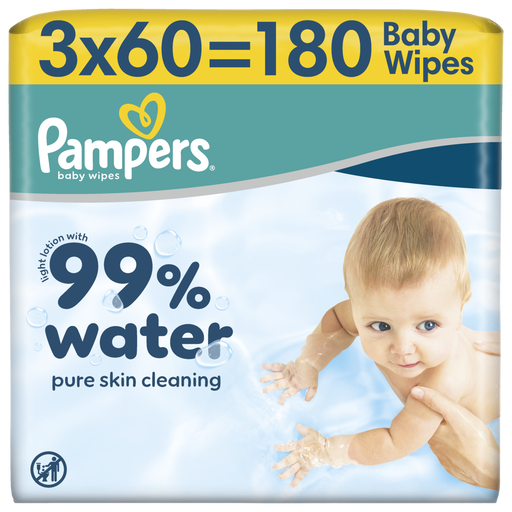
Why this choice suits this profile: With 180 wipes, this pack lets you build a stock without jumping straight to an XXL format. The product page states a formula made from 99% water, with no alcohol or fragrance.
The water percentage and the stated absence of alcohol and fragrance are clearly indicated. Still, check the INCI list before ordering.
Pack of 180 units, suitable for nappy changes, with a formula stated to be alcohol-free and fragrance-free.
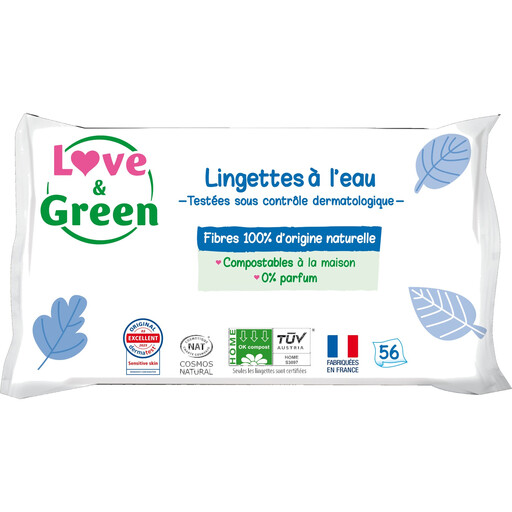
Why this choice suits this profile: This product is aimed at parents who care about the ingredients and the material. The product page mentions 56 wipes, FSC-certified natural fibre, a fragrance-free formula and recyclable packaging.
The information clearly distinguishes the fibre, the formula and the packaging. So there’s no risk of confusing the wipe material with the recyclability of the pack.
56 units, six stated ingredients and COSMOS NATURAL certification mentioned on the product page.

Why this choice suits this profile: With 960 wipes, this pack is ideal for households that use them for nappy changes, the face and the body, both at home and when out and about frequently.
The large pack reduces the need for repeat purchases. However, the product page does state that these are disposable wipes and should not be flushed down the toilet.
960 units, stated fragrance-free formula, plant-based fibres and OEKO-TEX certification indicated.
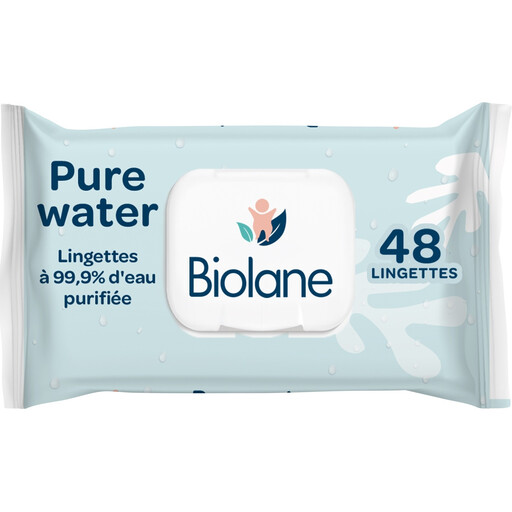
Why this choice suits this profile: The pack of 48 wipes lets you test a formula stated to contain 99.9% purified water before moving on to the 144-unit pack if it suits your baby.
The product page distinguishes the compostable wipe from its packaging, which is not compostable. It also reminds you that the product should not be flushed down the toilet.
48 units, plant-based fibres, stated fragrance-free and OK COMPOST HOME certification indicated.
We’ve put together a complete, real-time updated selection of products that meet these strict criteria and European safety regulations.
Yes, if the product page states they are suitable for nappy changes and your child’s skin tolerates them. To minimise rubbing, choose a wipe that’s moist enough and use it gently. At home, water and a suitable cleansing product can also be part of the routine.
Close the lid carefully after each use and follow the time frame stated on the packaging. Some products recommend using them within three months of opening. Keep the pack away from heat and sunlight to prevent it from drying out.
No. Even eco-friendly baby wipes, biodegradable or compostable, should not be flushed down the toilet unless the manufacturer explicitly and exceptionally states otherwise. Dispose of them in the bin, following your local recycling guidelines.