
Livraison le jour même ou le lendemain

Qualité garantie

Débloquez vos offres de bienvenue: Livraison GRATUITE | Jusqu'à -80 % | 30 jours d'essai gratuits à JoyPlus
Téléchargez l'application
Whether it’s for nappy changes, outings or cleaning little hands, baby wipes are a real time-saver. But not all wipes are created equal. A fragranced formula might not suit reactive skin, while a large pack could dry out before you’ve finished it. And the price on the packet doesn’t always reflect the true cost per use.
This guide from the Joybuy Product Recommendation Officer runs through the key factors to consider before buying, and offers a selection of products suited to different family profiles.
The term water wipes appeals to parents looking for a short ingredients list. However, “99% water” doesn’t necessarily mean the formula contains just two or three components. Always check the full ingredients list: preservatives, humectants, fragrances and plant extracts can all feature.
For a newborn or sensitive skin, it’s better to compare the INCI list than to rely solely on the promise printed on the pack.
Hypoallergenic baby wipes are designed to reduce the risk of an allergic reaction, but this label doesn’t guarantee the same tolerance for every child. Similarly, plant-based fibres or natural extracts don’t automatically mean the product will suit all skin types.
If irritation occurs, stop using the wipes and seek advice from a healthcare professional. Wipes are not a substitute for water and a suitable cleanser when the nappy area is heavily soiled or irritated.
A pack of 864 wipes might seem economical, but you need to be able to store it properly and use it up before it dries out. On the other hand, a small pack of 10 or 48 wipes slips easily into a bag, but the cost per wipe can be higher.
Check for a lid or a resealable adhesive closure that actually works. Seal the pack after every use and follow the storage instructions on the packaging.
For newborn wipes or those intended for sensitive skin, choose a formula that is alcohol-free and, if that’s your preference, fragrance-free. WaterWipes On The Go claims a formula made from 99.9% purified water and a fruit extract. Pampers Aqua Soft Touch wipes state 99% water, with no alcohol or fragrance.
Be careful not to confuse “fragrance-free” with “preservative-free” – these are two separate criteria. Take the time to read the full ingredients list before making your choice.
Some wipes are designed for the nappy area, face and body. Others are more targeted at the face and hands. Baby face and body wipes need to be gentle enough for these areas, while nappy change wipes should be sufficiently moist to clean without rubbing.
Look for “from birth” or “from 0 months” on the product page and packaging. Avoid contact with the eyes and do not use a wipe on broken skin if the instructions advise against it.
Biodegradable baby wipes can be made from plant fibres or cellulose. That doesn’t mean they can be flushed down the toilet. In the vast majority of cases, used wipes should go in the household bin.
Love & Green wipes state they use FSC-certified natural fibres and a fragrance-free formula. BC Babycare wipes are described as being made from plant-based, plastic-free fibres. These details match the claims made for these products: always check the logos and specifics on the packaging.
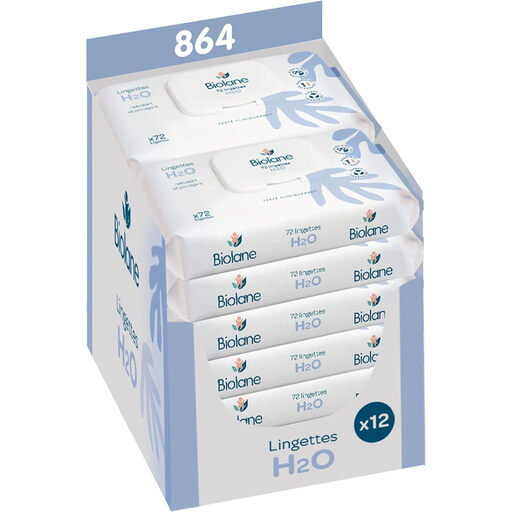
Why this choice suits the profile: With 864 wipes, this pack is aimed at families who use them daily for nappy changes, both at home and on the go.
A large pack saves you from buying repeatedly, but the packets must be kept sealed and used before they dry out.
72 wipes per pack, pH-balanced formula, alcohol-free, suitable for face, body and nappy area according to the product description.
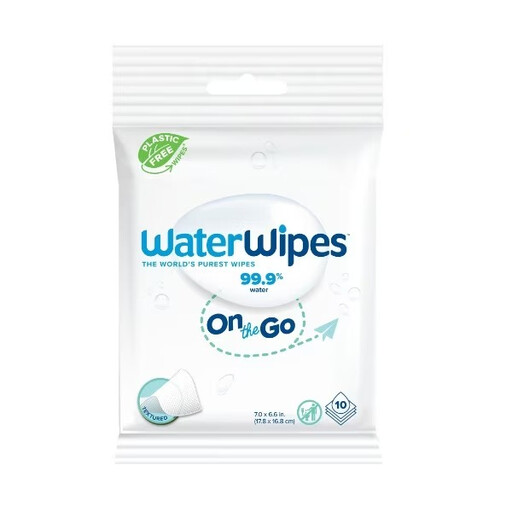
Why this choice suits the profile: Its small size slips easily into a changing bag, the car or a day bag when you’re out with a baby.
The 10-pack reduces the risk of leaving a pack open for too long, but the cost per wipe may be higher.
99.9% purified water according to the product sheet, fragrance-free and no artificial colourants, viscose fibres, suitable from birth.
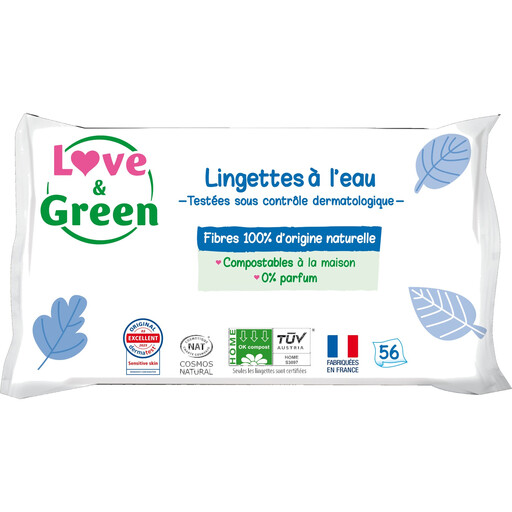
Why this choice suits the profile: An option to consider for parents who want to combine natural fibres, no fragrance and recyclable packaging.
An eco-friendly claim doesn’t mean you can skip checking the disposal instructions – these wipes should not be flushed down the toilet.
56 wipes, fragrance-free, claimed natural fibres, FSC certification and a formula described as 98% naturally derived ingredients.
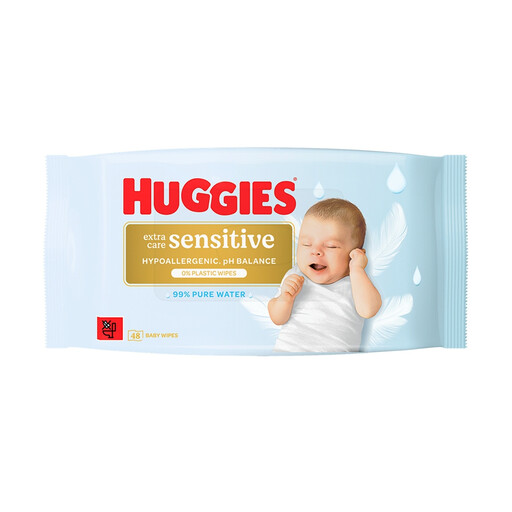
Why this choice suits the profile: Its compact size and focus on newborns may appeal to parents looking for a portable solution for face, hands and body.
A thick wipe can be nicer to handle, but that doesn’t replace checking the ingredients or doing a careful patch test on a small area.
48 wipes, formula claimed to be 99% water, fragrance-free, with 67% cellulose according to the product sheet, and labelled “hypoallergenic”.
We’ve put together an up-to-date selection of products to suit different needs for hygiene on the go and at home.
Yes, they’re especially handy when you’re out and about or when access to water is limited. At home, water and a washable cloth can work just as well. To minimise rubbing, choose a wipe that’s sufficiently moist and clean without pressing too hard.
The length of time varies by manufacturer and format. Some products state a period for use after opening – for example, three months for a Love & Green model. In any case, seal the pack carefully, store it under the recommended conditions and throw away any wipes that have dried out or smell unusual.
A wipe can be described as biodegradable without being suitable for drains. Unless the packaging clearly and verifiably states otherwise, dispose of baby cleansing wipes in the household bin. Kandoo Aqua wipes have specific instructions about limited flushability, but they are not suitable for toilets with a macerator.