
Livraison le jour même ou le lendemain

Qualité garantie

Débloquez vos offres de bienvenue: Livraison GRATUITE | Jusqu'à -80 % | 30 jours d'essai gratuits à JoyPlus
Téléchargez l'application
When it comes to your baby's delicate skin, every choice matters. But facing the baby wipes aisle can be overwhelming: dozens of brands, a barrage of marketing promises, and packages that all look the same. So, how do you navigate the options to make the right choice, whether for diaper changes, wiping faces, or cleaning little hands??
Our mission: to help you decode labels and identify the products that truly meet your needs. Before we get to our top picks, let's review the three most common marketing traps to avoid.
Keeping these points in mind is the first step toward a smarter purchase.
To avoid being swayed by marketing, focus on these three objective criteria. They make all the difference.
A baby's skin is like a sponge. The ingredient list (known as the INCI list) is therefore your best guide.
The quality of the fabric changes everything, both for your baby's comfort and for cleaning effectiveness.
Rather than an exhaustive list, we've matched specific products to common use cases to help you find the perfect fit.
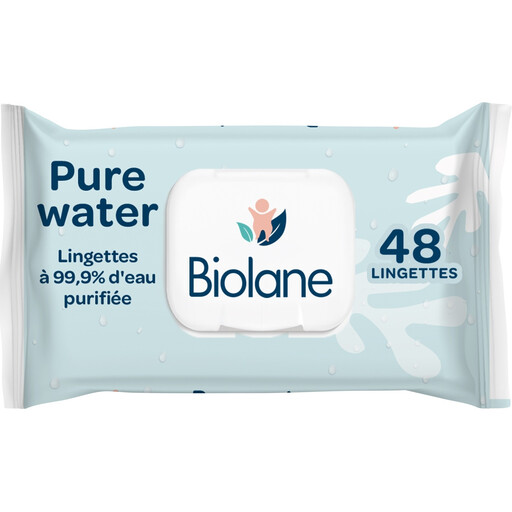
Why we chose it: The perfect product for parents who want the purest possible formula, especially for a newborn or a baby with ultra-reactive skin. Its minimalist composition is reassuring and gets straight to the point.
It sidesteps the vague "natural" trap with absolute transparency: 99.9% purified water and only one other ingredient. No room for anything unnecessary.
The fibres are 100% plant-based and certified OK COMPOST HOME. This means they can be thrown in your home compost bin (note: the packaging itself is not compostable).
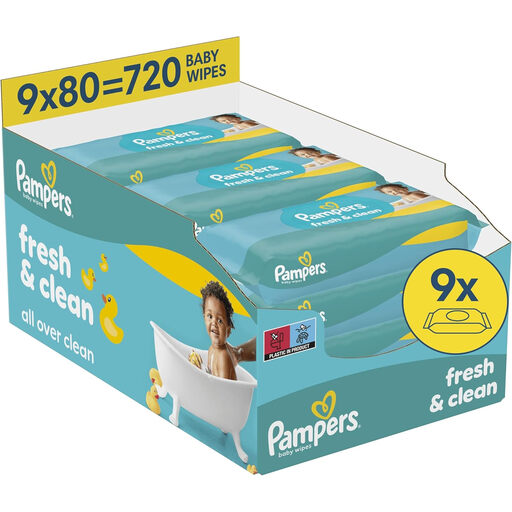
Why we chose it: For families where wipes are used frequently, this bulk format offers an unbeatable price-per-wipe ratio. A reliable choice for diaper changes and clean-ups for the whole family.
It tackles the false economy trap with an ultra-competitive cost per wipe thanks to the bulk format. Buying in a large volume means you no longer have to count every wipe.
Dermatologically tested, its formula helps maintain the skin's natural pH. It is designed to be alcohol-free, making it gentle enough for repeated use.
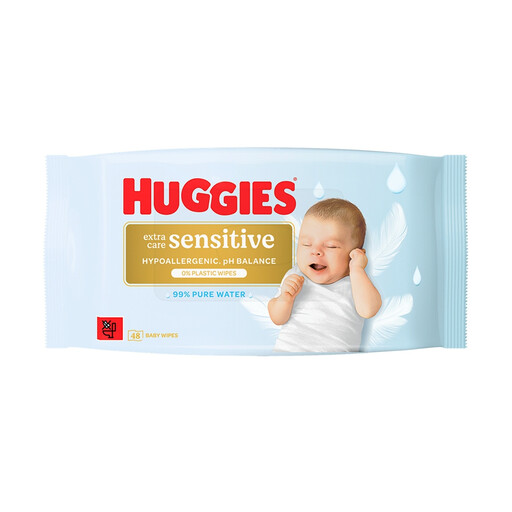
Why we chose it: Specially designed for delicate skin, these wipes combine a very pure formula with a thick texture to clean gently and reduce friction-related irritation.
It avoids the trap of flimsy wipes that tear. Billed as the thickest in the Huggies range, they provide a good grip and formidable efficiency, which reduces the number of wipes needed per change.
The formula contains 99% pure water and is guaranteed fragrance-free. The fabric includes 67% cellulose (absorbent natural fibres), a plus for both softness and strength.
Discover our complete selection of products that meet our quality criteria and the strictest safety standards.
Yes, as long as the package clearly states it. Versatile body and bottom or "face and hands" wipes are formulated to be gentle enough for all areas. However, for very sensitive skin or in the case of diaper rash, it is still more prudent to use dedicated water wipes for the bottom and a different product for the face.
The term "hypoallergenic" means the formula has been designed to minimise the risk of allergies. This is achieved by excluding the most common allergens (certain fragrances, preservatives, etc.). Mentions like "tested under pediatric control" or "dermatologically tested" are additional signs of trustworthiness. However, zero risk does not exist. The best practice: always test a new wipe on a small patch of skin before fully adopting it.