
Livraison le jour même ou le lendemain

Qualité garantie

Débloquez vos offres de bienvenue: Livraison GRATUITE | Jusqu'à -80 % | 30 jours d'essai gratuits à JoyPlus
Téléchargez l'application
Baby wipes make nappy changes, days out and cleaning little hands so much easier. But not all wipes are created equal, and they don’t all serve the same purpose. A scented formula can irritate sensitive skin, while a small pack can work out expensive when you’re using wipes several times a day.
Before you head to the checkout, three common mistakes keep cropping up:
For a newborn or baby wipes for sensitive skin, go for a short, easy-to-read ingredients list. Fragrance-free and alcohol-free options can be better when skin reacts easily. That said, a claim like “hypoallergenic” is something the brand states, not a guarantee that no reaction will occur.
99% water wipes are mostly made of water, but they can also contain glycerin, citric acid or preservatives. So it’s best to check the INCI list rather than just relying on the promise on the front of the pack.
If you plan to use them on the face, body and nappy area, make sure those uses are clearly stated on the product. An adult makeup-removal wipe shouldn’t be treated as a nappy wipe.
Plant fibres, cellulose and viscose are often highlighted in eco-friendly products. However, natural fibre, biodegradable and compostable don’t all mean the same thing. You need to check the disposal or recycling instructions directly on the packaging.
Some eco-friendly baby wipes claim to be plastic-free, carry a textile certification or come in recyclable packaging. This information can help you avoid certain materials, but it doesn’t mean you can skip putting the wipe in the bin if the manufacturer recommends it.
A pack of 10 wipes fits easily into a changing bag or travel case. For everyday use, it’s better to compare the price per wipe, the number of packs and the quality of the closure system.
A rigid lid or a resealable flap that sticks properly helps stop the wipes from drying out. Always close the pack carefully after each use. Also remember to check the expiry date and, if stated, how long you can use the wipes after opening.
The options below suit different requirements. The features listed are those given in the product descriptions.
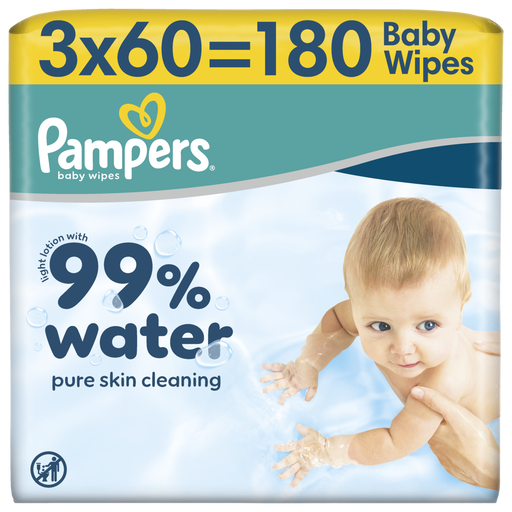
Why this choice suits this profile: The pack of three contains 180 wipes, helping you keep the cost of nappy changes and trips out under control.
The product description states a formula made of 99% water, with no alcohol or fragrance. However, it’s still essential to check the full ingredients list.
Pack of 180 wipes, formula stated as 99% water, practical for body and nappy changes.
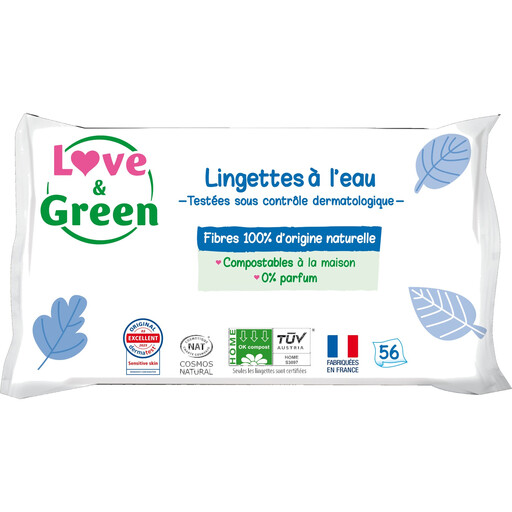
Why this choice suits this profile: This product is aimed at parents who value a short ingredients list, natural fibres and packaging designed to be recyclable.
The claims of 0% plastic, fragrance-free and “6 ingredients” make it easier to check the criteria you care about, without relying on a simple marketing promise.
Tricell fibre of natural origin, FSC certification, COSMOS NATURAL certification according to the product description, and fragrance-free formula.
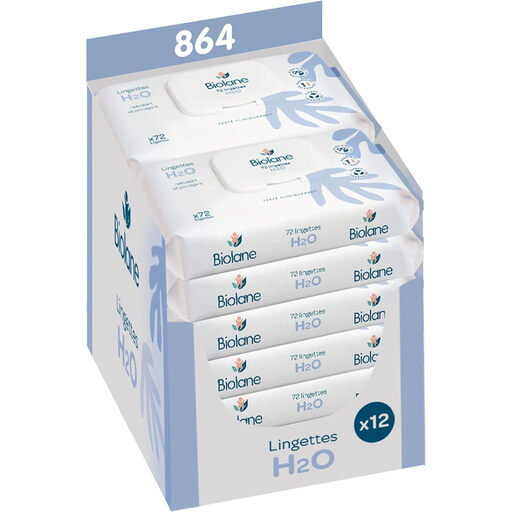
Why this choice suits this profile: This bulk pack of 864 wipes is ideal for families who use wipes every day for nappy changes, face and body.
The large pack cuts down on repeat purchases. However, you must close the pack carefully to stop opened packs from drying out.
12 packs of 72 wipes, stated physiological pH, alcohol-free formula and no-rinse use according to the product description.
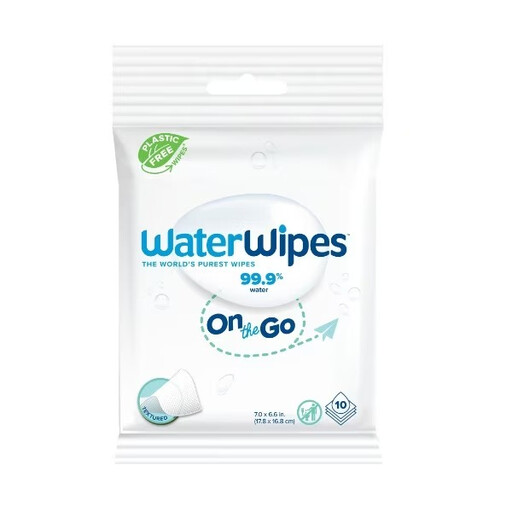
Why this choice suits this profile: This small pack slips into a bag, car or suitcase without taking up much room.
The travel-friendly format means you don’t have to carry a bulky pack. These wipes are not designed for the toilet and should be disposed of with household waste.
10 wipes, stated two ingredients, plastic-free viscose wipe and formula with no artificial fragrance.
We’ve put together a full, real-time selection of products that meet these demanding criteria and comply with European safety regulations.
Yes, as long as the product description says it’s suitable for the face. Avoid the eye area and any irritated skin. Baby wipes for face and body are handy when you’re out and about, but a water wash is still better when you can manage it.
Check the instructions on the packaging. Some products state how long you can use them after opening, for example three months. In any case, close the lid or flap after each use and check that the wipes stay moist enough.
Not necessarily. Biodegradable doesn’t automatically mean they’re safe for pipes. Only flush a wipe if the packaging clearly says so, and follow the recommended amount. Makeup-removal wipes and intimate hygiene wipes should generally go in the bin.