
Livraison le jour même ou le lendemain

Qualité garantie

Débloquez vos offres de bienvenue: Livraison GRATUITE | Jusqu'à -80 % | 30 jours d'essai gratuits à JoyPlus
Téléchargez l'application
Between water-based baby wipes, hypoallergenic versions and eco-friendly options, it’s not always easy to separate useful information from marketing claims. Whether for nappy changes, outings or cleaning face and hands, the right choice depends largely on the ingredients, the format and the intended use.
A wipe made up of 99% water can still contain preservatives, humectants or plant extracts. The water percentage alone is not enough to judge the formula. Check the INCI list and look out for the possible presence of fragrance, essential oils or other ingredients your child may already react to.
Unscented baby wipes are often preferred to limit the number of scented agents, particularly during the first few months or if your child has reactive skin. However, this does not guarantee protection against all irritation.
The term “hypoallergenic” describes a formula designed to reduce the risk of a reaction, but it does not mean a reaction is impossible. Sensitive skins do not all react to the same ingredients. Testing the product on a small area and observing the skin remains a sensible precaution.
A mention of dermatological or paediatric testing should also be understood as information about the protocol stated by the brand, not as a universal medical guarantee.
Biodegradable, plant-based and flushable are three different concepts. Most nappy change wipes should be disposed of in the bin, even when they are made from natural fibres. UK drainage systems can indeed become blocked by wipes.
Even when a pack states that its wipes can be flushed, check the manufacturer’s limits, such as the number of wipes per flush or incompatibility with certain systems. To avoid unpleasant surprises, the bin is generally the safest option.
For sensitive skin, choose a clearly detailed formula, with a possible preference for:
Some water-based baby wipes also contain a plant extract or a preservative. So read the full ingredients list rather than stopping at the claims on the front of the pack.
A pack of 48 to 72 wipes can be suitable for a changing bag or occasional use. At home, baby wipes in bulk help reduce the need for restocking, provided you can store them in a cool, dry place.
Compare the price per wipe, not just the pack price. A thicker or better-saturated wipe can sometimes reduce the number needed per change, but this difference depends on the situation and each family’s habits.
The closure plays a key role: a rigid lid or adhesive flap must keep the moisture in. A poorly sealed pack dries out quickly and becomes less pleasant to use.
Eco-friendly baby wipes can be made from plant fibres, cellulose or a material certified by a third-party organisation. The terms FSC, COSMOS NATURAL or “plastic-free” do not all mean the same thing:
For frequent use, a plastic-free wipe made from plant-based fibres can help reduce the use of certain synthetic materials, without eliminating the impact of a disposable product.
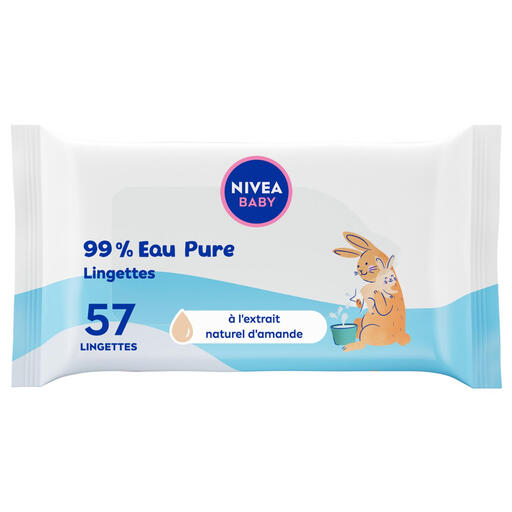
Why this choice suits this profile: With 57 wipes and stated use for face, body and hands, this pack lets you start with a single versatile product.
The description clearly states “99% water” and notes the presence of natural almond extract. The ingredients list can be checked before purchase.
A wipe described as gentle and absorbent, suitable for face, body and hands.
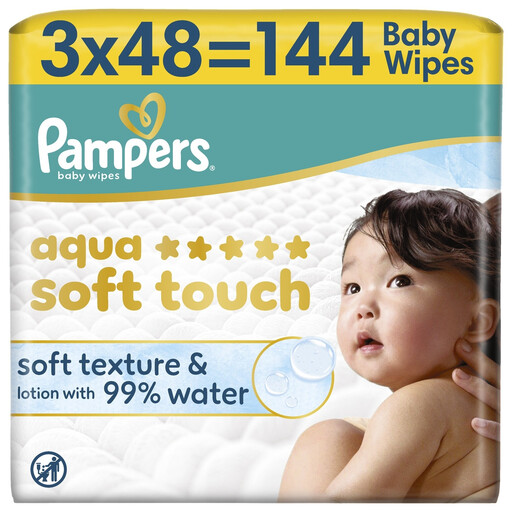
Why this choice suits this profile: The pack of 144 wipes is ideal for parents who want to build up a stock for both home and on the go.
The listing states a 99% water formula, alcohol-free and fragrance-free, plus a resealable pack to keep the wipes moist.
Three packs of 48 wipes, a claimed soft texture and suitability from birth according to the product listing.
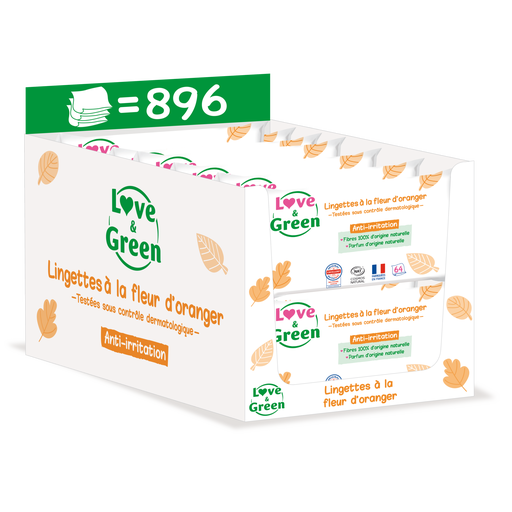
Why this choice suits this profile: With 14 packs of 64 wipes, this format is designed for households that use wipes regularly for nappy changes.
The listing mentions fibres of natural origin, a COSMOS NATURAL certification from ECOCERT and the absence of plastic in the wipe. The presence of an orange blossom fragrance is clearly stated.
896 wipes, FSC certified fibres and packaging described as recyclable and made from a single material.
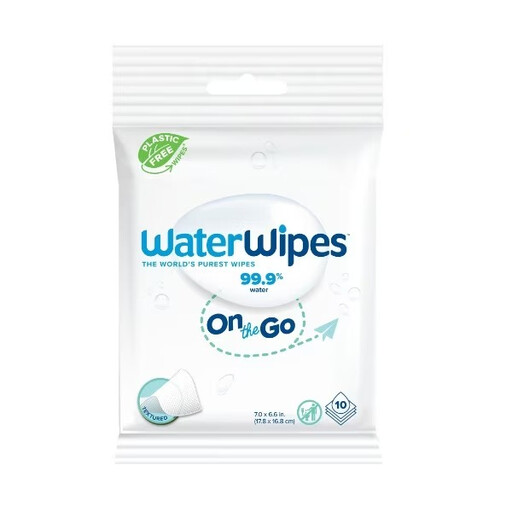
Why this choice suits this profile: The small pack of 10 wipes slips easily into a changing bag, car or handbag.
The listing states two main ingredients, a formula with no added fragrance or artificial colour, and advises disposing of the wipes with household waste.
A stated 99.9% ultrapure water content, a plastic-free viscose wipe and a travel-friendly format.
We have compiled a complete, real-time updated list of products that fully meet these strict selection criteria and European safety regulations.
Yes, some products are designed for the face, body, hands and nappy changes. Check the stated use on the packaging and avoid any contact with the eyes. If redness or discomfort occurs, stop using them and seek medical advice if symptoms persist.
The expiry date is printed on the packaging. After opening, reseal the pack carefully and follow the manufacturer’s recommended time frame. Heat, sunlight and a poor seal can accelerate drying or affect the quality of the product.
They can be perfectly suitable if their ingredients, size, moisture level and closure system meet your needs. To compare cheap baby wipes, calculate the price per wipe and check how many you actually need per change. A large pack is only good value if you can use it within a reasonable time.