
Livraison le jour même ou le lendemain

Qualité garantie

Débloquez vos offres de bienvenue: Livraison GRATUITE | Jusqu'à -80 % | 30 jours d'essai gratuits à JoyPlus
Téléchargez l'application
Between water-based baby wipes, fragrance-free versions, bulk economy packs and fibres marketed as more environmentally friendly, the choice can quickly become overwhelming. The right product depends above all on the intended use, the sensitivity of your child’s skin, and the ingredients actually listed on the packaging.
The claim “99% water” indicates the proportion of water in the formula. It does not mean the wipe contains only two ingredients. Always check the full list: preservatives, glycerin, fragrance or plant extracts may also be included.
For reactive skin, fragrance-free baby wipes with a limited number of ingredients are generally easier to compare. That said, you should still monitor how your child’s skin reacts.
The term “hypoallergenic” means the formula has been designed to reduce the risk of a reaction. However, it does not guarantee that irritation will never occur. The texture of the wipe, how often you use it, and the condition of the skin all play a part.
If you notice redness, irritation or broken skin, stop using the product and seek advice from a healthcare professional. Wipes are for external use only and must not come into contact with the eyes.
Most nappy-changing wipes should be disposed of with household waste. Even when a product is marketed as biodegradable or suitable for drains, always follow the manufacturer’s instructions carefully. KANDOO Aqua wipes, for example, state a limit of one to two wipes per flush and advise against using them with macerating toilets.
To avoid blocked pipes, the safest habit is to throw nappy wipes in the bin.
Baby cleansing wipes for face and body can be used on hands, face, body and the nappy area. However, not all formulas are suitable for every purpose. A scented wipe may be fine for occasional use, whereas a fragrance-free version will generally fit more easily into the routine of a child with sensitive skin.
In particular, check for the presence or absence of:
A pack of 48 wipes can be ideal for a changing bag, while a multi-pack of several hundred is more practical for home use. To compare the price of cheap baby wipes, divide the pack price by the number of wipes, then take into account their thickness and size.
A thicker wipe may sometimes do the job where you would need several thinner ones. However, this saving depends on the situation. So compare the unit price with the amount you actually use.
Eco-friendly baby wipes may be made from plant-based fibres, carry a forestry certification, or come in recyclable packaging. These details do not necessarily apply to the whole product: a compostable wipe does not mean its packaging is also compostable.
Look for specific claims such as FSC, COSMOS NATURAL, “plastic-free” or OK compost HOME, then check the disposal instructions. A compostable wipe must be treated in line with the manufacturer’s recommendations and your local authority’s guidelines.
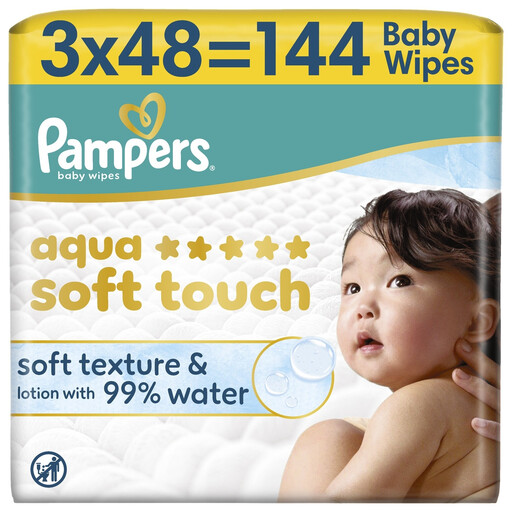
Why this choice suits this profile: This pack of 144 wipes makes it easy to split the packs between home, the pushchair and your travel bag. The formula is stated as 99% water, with no alcohol or fragrance.
The stated composition avoids confusing a scented wipe with a formula suitable for all uses. The total number of wipes is clearly indicated.
99% water according to the product sheet, no alcohol or fragrance, supplied in three packs of 48 wipes.
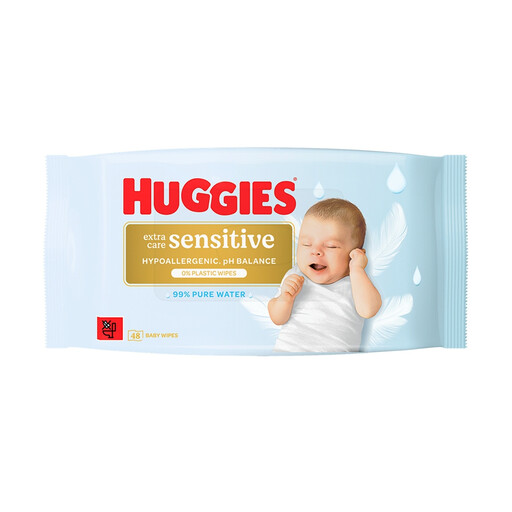
Why this choice suits this profile: This product is aimed at parents looking for a thick, durable wipe for face, hands and body, suitable from birth.
The product sheet specifies the reinforced thickness, 67% cellulose content and absence of fragrance, rather than relying solely on a promise of softness.
Described as thick and durable, 99% water formula, fragrance-free, stated to be made in France.
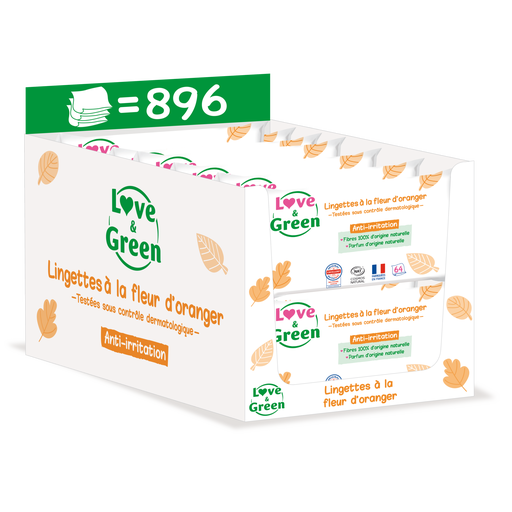
Why this choice suits this profile: With 14 packs of 64 wipes, this format is ideal for households that use them regularly and want to reduce how often they restock.
The environmental features are detailed: naturally sourced fibres, FSC certification, plastic-free and recyclable mono-material packaging. The orange blossom fragrance should still be taken into account.
896 wipes, 100% naturally sourced fibres according to the product sheet, formula stated as 98% naturally derived and COSMOS NATURAL certification.
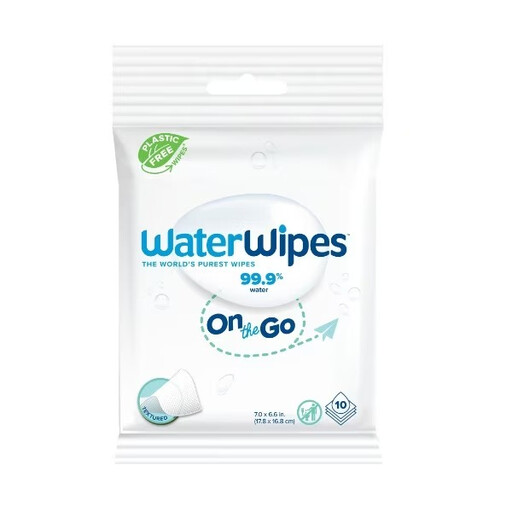
Why this choice suits this profile: Its small size slips easily into a changing bag, car or handbag for last-minute clean-ups.
The product sheet mentions two ingredients, including 99.9% purified water, and a formula free from fragrance and artificial colourants. The pack must not be flushed down the toilet.
10 wipes, compact format, viscose wipes stated to be plastic-free and fragrance-free formula.
We have put together a comprehensive, real-time updated list of products that meet these demanding selection criteria and European safety requirements.
To keep them moist and avoid mistakes:
A wipe that has dried out, or whose smell, colour or texture has changed, should be thrown away. Check the date on the pack and follow the period after opening if stated.
Yes, some products are designed for the face, body, hands and nappy area. However, always check the manufacturer’s recommended use and avoid the eye area. If your child has sensitive skin, choose a fragrance-free formula and stop using it immediately if irritation occurs.
Products labelled as suitable from birth can be used according to their instructions. The “water-based” claim alone is not enough: check the ingredients list, look for any fragrance and read the usage precautions.
Not necessarily. Compare the price per wipe, the pack size, any delivery charges and the amount you actually use. A large pack can reduce the unit cost, provided it is stored properly and used before it dries out.