
Livraison le jour même ou le lendemain

Qualité garantie

Débloquez vos offres de bienvenue: Livraison GRATUITE | Jusqu'à -80 % | 30 jours d'essai gratuits à JoyPlus
Téléchargez l'application
Choosing baby wipes can quickly become a headache. Faced with shelves saturated with promises of "purity," "softness," and "natural" formulas, it's hard to separate fact from fiction. As a product expert for Joybuy, I'm here to decode the market for you. Let's break down the common traps and the criteria that truly matter to make the right choice.
Before looking at products, it's crucial to recognise misleading claims and false promises that can be costly for both your wallet and your baby's skin.
For a confident purchase, focus on concrete elements. Here are the three essential checkpoints.
The ingredient list, or INCI list, is your best friend. For newborn wipes and highly reactive skin, opt for the cleanest possible formulas.
The material of the wipe is just as important as the lotion it's soaked in.
A detail that makes all the difference in daily use. A rigid flip-top lid or an effective adhesive seal ensures your wipes won't dry out. A poorly sealed pack is a pack fit for the bin and money wasted.
Rather than an endless list, here are products that tick all the boxes, each meeting a specific need.
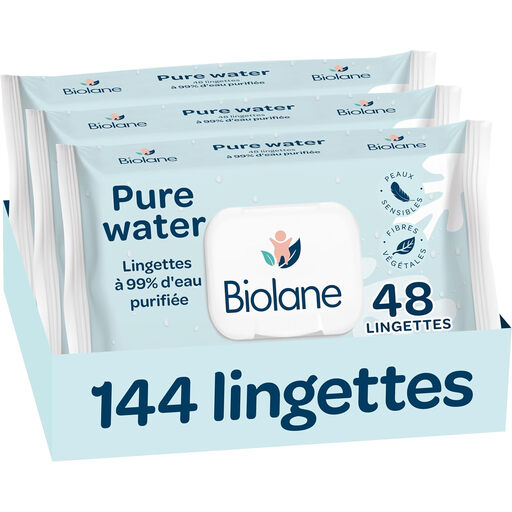
Why we chose it: Simplicity at its best, ideal for the delicate skin of newborns. A safe bet for parents seeking a minimalist formula.
With only two ingredients (99.9% water and a gentle preservative), the formula gets straight to the point: cleaning gently, with no unnecessary extras.
100% plant-based fibres certified for home composting (OK COMPOST HOME), a major plus for reducing waste.
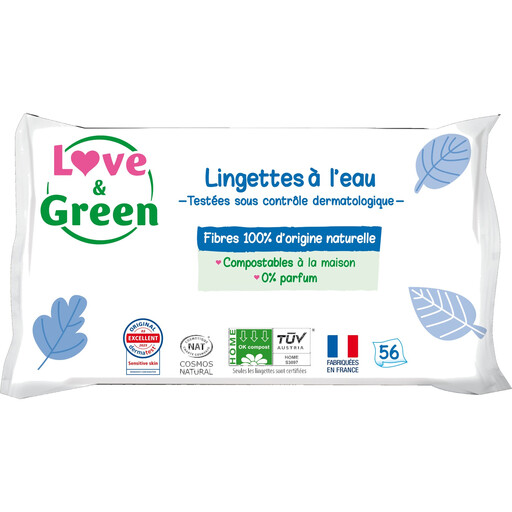
Why we chose it: A product that combines a clean composition with a clear environmental commitment, for parents who don't want to compromise on their baby's skin or the planet.
The brand is transparent about "biodegradable": 0% plastic, natural fibres certified FSC, and recyclable mono-material packaging.
The COSMOS NATURAL certification by ECOCERT, a strict label that guarantees a 98% natural origin composition and respectful manufacturing.

Why we chose it: The smart choice for families who use wipes frequently and are looking for the best value for money, without compromising on safety.
This product focuses on tangible benefits: thick, well-moistened, and fragrance-free wipes. The baby wipe bundle format is key to achieving substantial savings.
The OEKO-TEX certification guarantees the absence of harmful substances. An essential seal of safety for a product used daily on sensitive skin.
Find our complete selection of products validated against our strict criteria.
The answer is a categorical no. You should never flush any wipes down the toilet, even if the packaging labels them as "biodegradable" or "flushable." They do not disintegrate quickly enough and are a major cause of clogs in pipes and breakdowns at wastewater treatment plants. The only rule of thumb: throw them in the household bin.
Water wipes are formulated to be as simple as possible, typically containing over 99% water and a minimal number of preservatives. They are ideal for newborns and very sensitive skin. Classic wipes may contain cleansing lotions, moisturising agents, or even fragrance, making them suitable for other uses but riskier for causing reactions on the most fragile skin.
Once a pack is opened, it is generally recommended to use the wipes within 1 to 3 months. This timeframe ensures they remain fresh, moist, and helps prevent the growth of bacteria. Good practice: always reseal the pack tightly after use and check the expiration date provided by the manufacturer.