
Livraison le jour même ou le lendemain

Qualité garantie

Débloquez vos offres de bienvenue: Livraison GRATUITE | Jusqu'à -80 % | 30 jours d'essai gratuits à JoyPlus
Téléchargez l'application
Choosing the right products for your baby can often feel overwhelming, especially when it comes to their delicate skin. Faced with an overwhelming selection of baby wipes, how do you navigate the options? As the head of buyer's guides at Joybuy, I'm here to provide some clarity. The goal of this guide: to equip you with the knowledge to make an informed decision that’s perfectly suited to your child's needs.
Before diving into our top picks, here are the key criteria for evaluating the different options on the market.
A newborn's skin is particularly thin and permeable. That's why it's crucial to opt for simple, transparent formulas.
The ecological impact is a growing concern for many parents. Eco-friendly wipes are designed to meet this need.
Skin needs evolve as your child grows.
Here are three products that meet different needs, selected for their clear formulas and specific benefits.
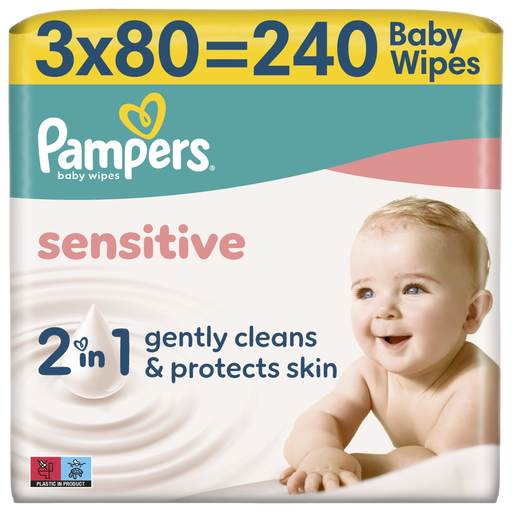
Why it stands out: Pampers Sensitive wipes promise a dual action. According to the brand, their special formula helps restore the skin's natural pH while protecting it from irritation. They are approved by dermatologists from the Skin Health Alliance, a compelling factor for reassuring parents.
The pros:
Who is it for? For parents who trust a major brand and are looking for skin protection that goes beyond simple cleaning. Ideal for those who appreciate value packs.
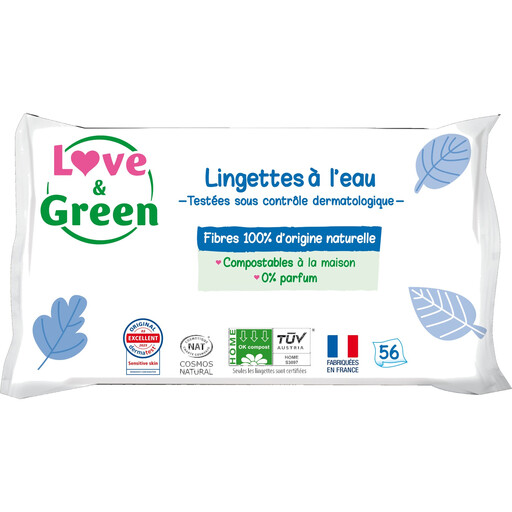
Why it stands out: LOVE & GREEN focuses on eco-friendliness and natural ingredients. These eco-friendly wipes are made in France from 100% natural (FSC certified) and biodegradable fibres. Their formula is COSMOS NATURAL certified by ECOCERT, a highly stringent certification for organic and natural cosmetics.
The pros:
Who is it for? For parents concerned about the environmental impact of their purchases, who prioritise certified organic and natural ingredients for their baby's sensitive skin.
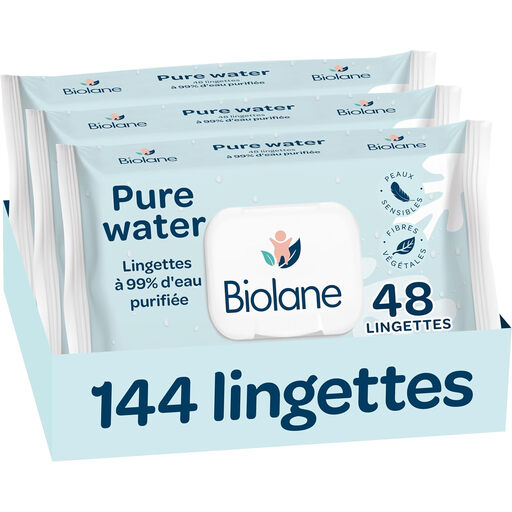
Why it stands out: Biolane takes a minimalist approach with a formula of just two ingredients: 99.9% purified water and a gentle preservative. This makes them the ideal option for newborn wipes. Another key advantage: they are certified OK COMPOST HOME, so they can break down in a home compost bin.
The pros:
Who is it for? For parents seeking absolute simplicity, especially for a newborn or a baby with extremely sensitive skin. It's also the perfect choice for those who practice home composting.
While you're taking care of your little one, let's not forget the older kids! If your family is growing or you're looking for ideas to stimulate your older children's development, check out our selection of toys for 4-5 year olds.
For a newborn, it's best to turn to the simplest and gentlest formulas possible. Water-based baby wipes, like those from Biolane with 99.9% water, are an excellent option. Products labelled as newborn wipes and formulated without fragrance or alcohol are also perfect for minimising any risk of irritation on still-maturing skin.
Yes, any wipe can cause irritation if its formula is not suitable for the child's skin. Irritation is often linked to the presence of fragrance, alcohol, or certain preservatives. By choosing hypoallergenic wipes for sensitive skin and favouring short ingredient lists, you significantly reduce this risk. If redness persists, never hesitate to consult a healthcare professional.
Absolutely not! You should never flush wipes down the toilet, even if they are labelled "biodegradable." They do not disintegrate quickly enough and can cause catastrophic clogs in pipes and sewage treatment plants. Used wipes, including those certified as compostable, must be thrown in the bin (or in a home composter if the certification explicitly allows it).