
Livraison le jour même ou le lendemain

Qualité garantie

Débloquez vos offres de bienvenue: Livraison GRATUITE | Jusqu'à -80 % | 30 jours d'essai gratuits à JoyPlus
Téléchargez l'application
A baby's first steps are an unforgettable milestone. To support this major step, many parents turn to a walking aid. However, faced with a jungle of baby walker models and marketing promises, it's easy to get lost. The risk? A disappointing purchase, or even an unsuitable product that ends up collecting dust in a closet. To prevent a good idea from turning into a regret, here are the pitfalls to avoid.
The two most common mistakes are:
This guide gives you the keys to making an informed choice, breaking down the objective criteria for a purchase that combines safety with your child's healthy development.
To navigate the overwhelming array of walkers, focus on three non-negotiable technical aspects. They will guarantee you a product that is safe, durable, and genuinely useful.
The term "baby walker" actually covers two very distinct product categories with radically different uses.
Safety is the number one, non-negotiable criterion. A walker, regardless of its type, must be flawless in its stability and design.
A good walker can adapt to a child's growth and offer thoughtful features.
Rather than an endless catalogue, here are options that meet specific needs, all while respecting our criteria for safety and development.
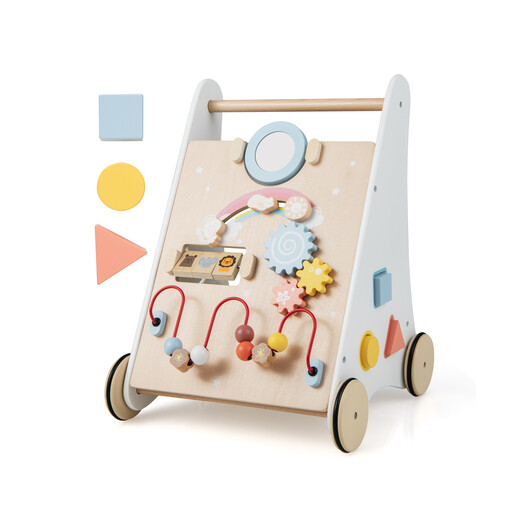
Why we chose it: This push walker is for children who can already stand. It encourages them to find their balance and coordinate their movements—a highly-regarded approach for a natural walking journey.
It bypasses the debate over seated walker posture by offering active support. The child isn't suspended but is actively standing, which promotes proper body alignment and leg strengthening.
Its sturdy wooden construction ensures excellent stability. The rubber-coated wheels protect floors and reduce noise. The little extra kids love: the storage basket.
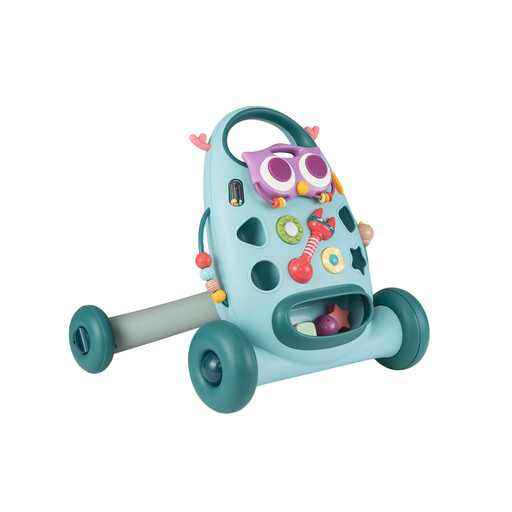
Why we chose it: For parents looking for a mobile and safe play space for a baby who can sit up but isn't walking yet. It gives the child a first taste of independence while stimulating their senses with the play tray.
The play tray is removable, allowing it to transform into a simple mobility aid or a small table. This prevents overstimulation and expands its usability.
It combines an activity centre with a mobility aid. A standards-compliant model includes essential safety features (wide base, pads) for peace of mind at home.
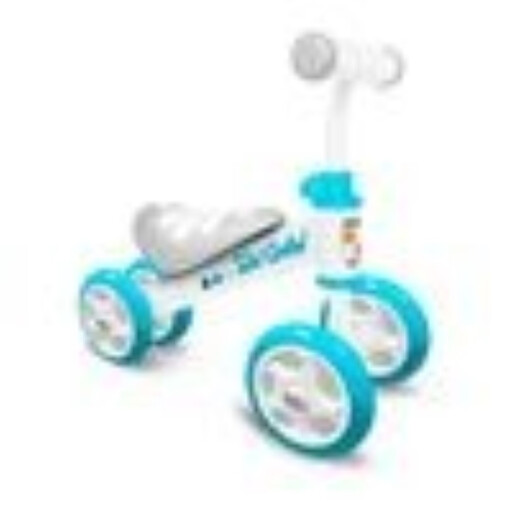
Why we chose it: This isn't a walker, but an excellent transition for toddlers who have already mastered walking. This 4-wheel balance bike is designed to safely develop balance and coordination before moving on to a bicycle.
It doesn't position itself as an aid for first steps, but as a motor skills toy for the next stage. This avoids any confusion and perfectly targets the balance needs of an older toddler.
Its 4-wheel design and low frame offer great stability, allowing the child to get on and off by themselves to build confidence. It's a durable investment for both indoor and outdoor play.
We have selected other products that meet our strict criteria and current safety standards.
It depends entirely on the type of walker and your child's development.
The topic is debated. Some early childhood professionals believe that a seated walker can encourage a child to walk on their tiptoes and doesn't promote proper balance development. The push walker, on the other hand, has a better reputation because it encourages a more natural posture. The secret? Moderate use, always under supervision, and choosing a quality model that meets safety standards.
Vigilance is key. You must block access to stairs, pools, or any other hazardous areas with a safety gate. Clear the floor of small objects, rugs, or cables that could block the wheels. Finally, and most importantly, never leave a child in a walker without adult supervision.