
Livraison le jour même ou le lendemain

Qualité garantie

Débloquez vos offres de bienvenue: Livraison GRATUITE | Jusqu'à -80 % | 30 jours d'essai gratuits à JoyPlus
Téléchargez l'application
As the head of product selection at Joybuy, I spend my days unearthing the market's hidden gems. So I know that choosing the right baby play mat can quickly feel overwhelming. The arrival of a baby turns daily life—and the house—upside down! One of the first instincts is to create a cosy little nest for them on the floor. A good baby play mat must tick three boxes: safety, comfort, and stimulation, all without clashing with your decor.
This guide gets straight to the point: clear selection criteria and a curated list of products to help you make an informed choice, far from the often confusing marketing jargon.
Before diving into our selection, let's review the essential criteria for choosing the right baby floor mat.
This is the number one criterion. Parents often favour foam baby mats, known for their excellent cushioning that absorbs minor tumbles and loss of balance. Ensure the materials are non-toxic and certified to meet European standards (CE marking). Foams like EVA or XPE are safe bets. Thickness is also a key factor: a mat that is at least 1 cm thick offers an excellent compromise between comfort and thermal insulation—a real bonus on cold floors like tile.
Your daily life as a parent is busy enough. So, an easy-to-maintain mat isn't a luxury; it's a necessity. Smooth, waterproof surfaces can be cleaned in a flash with a simple wipe. Short on space or planning to take it to the grandparents' house? A foldable play mat is the ideal solution. Finally, consider the dimensions. A large play mat offers great freedom of movement as your baby grows and starts exploring the world on all fours.
A mat is more than just a protective surface; it's also your child's first universe of discovery. A developmental play mat with contrasting colours, varied textures, and playful patterns will stimulate their sight and touch. A reversible mat has the advantage of adapting to your needs: a playful side for playtime, and a more understated side that blends into your living room decor.
We have selected three models that cater to various needs and lifestyles, each with its own unique strengths.
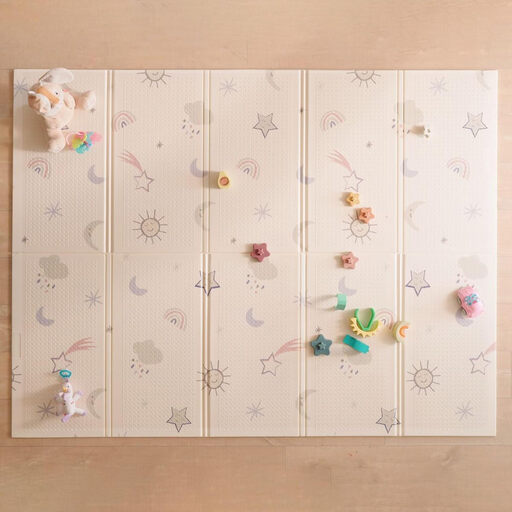
Why it stands out: This Nuby mat ticks all the boxes for the perfect new-parent ally. It combines all the practical aspects you could want: safety, portability, and visual stimulation.
Key features:
Who is it for? For parents seeking a portable, functional solution designed entirely for their child's development. It's the smart, pragmatic choice that gets straight to the point.
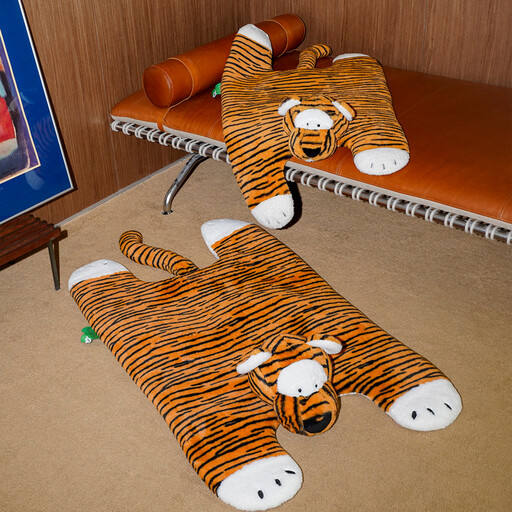
Why it stands out: This mat breaks the mould with its original tiger-shaped design. More than just a mat, it's a soft and fun play surface that is sure to spark little ones' imaginations.
Key features:
Who is it for? For families who want to combine play with decor and are looking for a statement piece for their child's room. A less conventional, love-at-first-sight option that prioritises design and comfort.
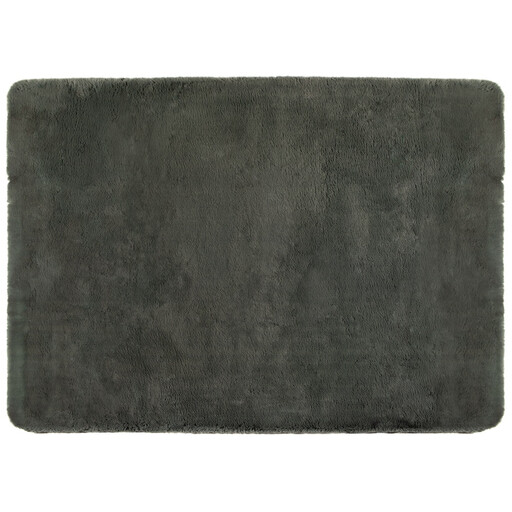
Why it stands out: The Eddy rug is the solution for parents who refuse to choose between style and comfort for their baby. With its faux-fur effect and on-trend colour, it blends beautifully into a modern interior while offering an ultra-soft play surface.
Key features:
Who is it for? For parents for whom decor is non-negotiable, and who are looking for a baby floor mat that is as stylish as it is durable. The perfect choice for a product that will grow with the child and the home.
Our selection is, of course, just a taste of what's available. Every family has unique needs, whether in terms of size, materials, or budget. To explore other models, from organic cotton mats to modular foam tiles, feel free to browse our full catalogue.
? Explore our complete collection of Floor Protection Mats to find the perfect model for you.
1. From what age can a baby play mat be used? A play mat can be used from birth. It provides a clean, comfortable surface for time spent on their back. It becomes truly essential around 2-3 months, when your baby starts spending time on their tummy to strengthen their neck and back muscles.
2. How do you clean a foam play mat? Most foam mats (XPE or EVA) are waterproof. For daily maintenance, a damp cloth with a bit of mild soap (like castile soap) is all you need. Then, rinse with a clean, damp cloth and let it air-dry. Avoid harsh chemicals and abrasive sponges that could damage the surface.