
Livraison le jour même ou le lendemain

Qualité garantie

Débloquez vos offres de bienvenue: Livraison GRATUITE | Jusqu'à -80 % | 30 jours d'essai gratuits à JoyPlus
Téléchargez l'application
Whether for an infant or a pet, properly feeding those who can't cook for themselves is a significant responsibility. The baby and pet food market is a confusing landscape of colourful packaging and marketing promises. Our editorial mission is to bring you clarity, helping you make the right choices for their health and well-being.
Shopping online for baby food or for your four-legged friend is a real time-saver, but some pitfalls can be disappointing or even costly. Here are the most common ones:
To avoid these traps, simply focus on a few key points. They will empower you to decode labels and choose with confidence.
This is the number-one criterion. Regulations require ingredients to be listed in descending order by weight.
Nutrition should evolve with your little one's growth and lifestyle.
The packaging has a direct impact on your daily routine, as well as your wallet.
To help you put this advice into practice, here are a few products that meet distinct user needs, taking into account the criteria we've just discussed.
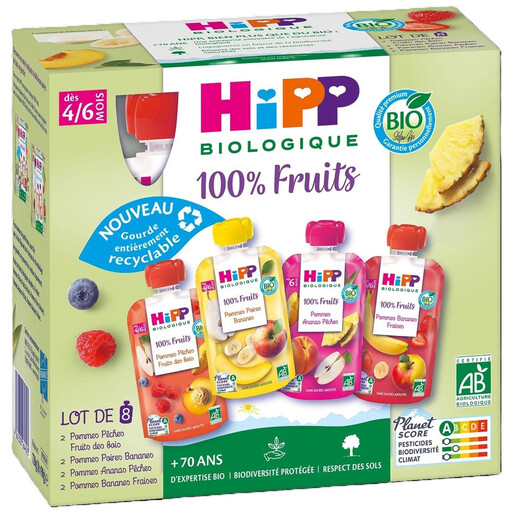
Why we love it: Ideal for parents who want to start weaning with simple, organic products that are easy to take anywhere. The pouch format is a must-have for outings and impromptu snacks.
The organic certification is backed by a 100% fruit ingredient list with no added sugars. The individual 90g format puts an end to waste from large jars.
Four varieties to awaken your baby's taste buds. Practical and fully recyclable packaging.
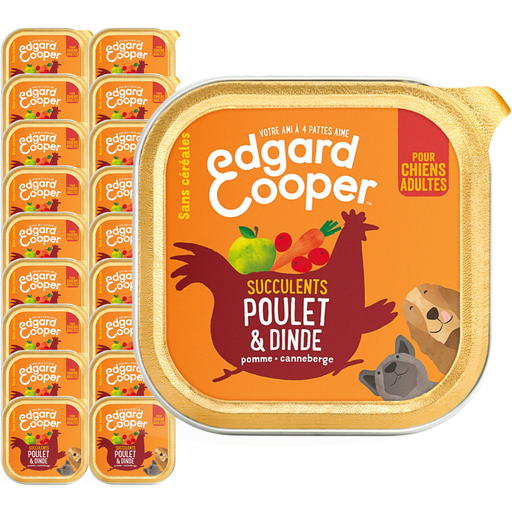
Why we love it: For owners who want a wet food rich in fresh meat and free from grains, perfect for dogs with sensitive digestion or for simply giving their companion the very best.
The composition is crystal clear: 56% fresh chicken and turkey at the top of the list. The "grain-free" promise is kept, unlike the vague marketing of some competitors.
A recipe rich in quality protein, with real pieces of fruit and vegetables. The 100g trays ensure a fresh meal with no waste.
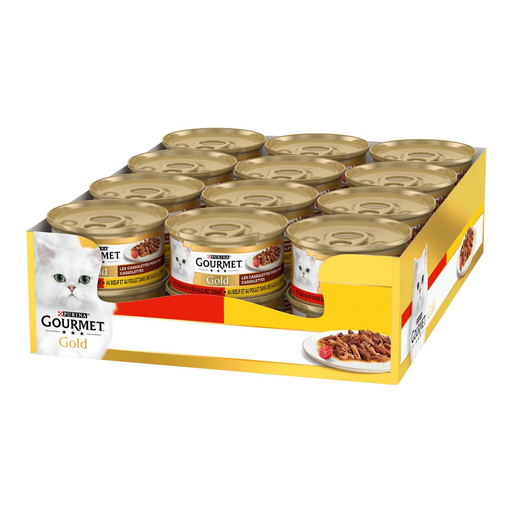
Why we love it: Cats are known for being demanding gourmets. This selection of varied recipes and textures (mousses, fine fillets) is perfect for keeping mealtimes exciting and satisfying even the pickiest eaters.
The format of small 85g tins is the ideal solution to prevent waste. You serve a fresh portion at every meal, with no leftovers lingering in the fridge.
A wide variety of flavours and textures to ensure your cat never gets bored. A complete and balanced diet.
Discover our full selection of products that meet our selection criteria and current regulations.
The only way is to read the full ingredient list on the packaging. A true grain-free food should not contain any wheat, corn, rice, barley, or oats. Instead, you will find alternative carbohydrate sources like sweet potato, peas, lentils, or potatoes. The claim on the front of the pack must be confirmed by the detailed composition on the back.
Weaning generally begins between 4 and 6 months, but it is essential to follow the recommendations of your paediatrician or doctor. To start, opt for single-ingredient purées (carrot, apple, etc.) to identify any potential allergies. Choose products with labels that clearly indicate the age ("from 4 months," "from 6 months") and check that they contain no added salt or sugars.
Each option has its advantages. Dry food (kibble) is convenient, stores well, and helps with dental hygiene. Wet cat food (or pouches) is very high in water, which is a major benefit for hydration (often a weak point for cats), and it is generally more palatable. Mixed feeding, which combines both, is often the ideal compromise. Ultimately, the choice will depend on your cat's preferences, its specific needs, and your own routine.