
Livraison le jour même ou le lendemain

Qualité garantie

Débloquez vos offres de bienvenue: Livraison GRATUITE | Jusqu'à -80 % | 30 jours d'essai gratuits à JoyPlus
Téléchargez l'application
A blocked nose in a baby can quickly disrupt feeding, sleep and outings. With sprays, single-dose pods and baby nasal aspirators to choose from, the decision is not simply about which product promises to be “gentle”. The recommended age, type of solution and care of the equipment matter far more than the marketing claims.
Saline solution and nasal saline solution are primarily used to rinse and moisturise the nasal passages. Hypertonic seawater or a formula enriched with active ingredients serves a different purpose. These products should not be chosen simply because their spray appears more powerful.
For everyday nasal care, choose a product with clearly stated ingredients and check whether the solution is isotonic or hypertonic. An isotonic solution has a salt concentration close to that of the body’s fluids, while a hypertonic solution has a higher concentration.
A nasal spray for babies is not interchangeable with a spray designed for children or adults. The shape of the nozzle, spray pressure and usage instructions may vary. A nozzle that is too wide or pressure that is difficult to control can make nasal rinsing more complicated for a child.
The age stated on the packaging should take priority over general claims such as “for the whole family”. For younger children, use should take place under adult supervision, with the head positioned as described in the instructions.
A nozzle shared by several people can increase the risk of contaminating the device. Single-dose pods should be thrown away after opening, while reusable sprays generally require the nozzle to be cleaned and the product to be closed carefully after each use.
With a baby nasal aspirator or electric baby nasal aspirator, also check that replacement nozzles and filters are available. A device that is difficult to take apart may not be cleaned properly, even if it seems convenient at first glance.
Classic saline solution for babies generally contains 0.9 % sodium chloride in purified water. Some formats are sterile, preservative-free and supplied in individual doses. They are suitable for nasal hygiene in accordance with the instructions on the packaging, but an opened single-dose pod must not be kept for later use.
Nasal seawater sprays may contain filtered seawater, sodium chloride or additional ingredients such as aloe vera. Check the full list of ingredients if your child has a known sensitivity.
The real cost also includes consumables. A baby nasal aspirator with disposable nozzles may require regular purchases of refills, while a reusable spray mainly requires thorough maintenance.
Before first use, check the recommended age, shelf life after opening, storage conditions and cleaning method. Never force the nozzle into the nostril and stop using the product if irritation occurs. After an operation or injury to the nose, seek advice from a healthcare professional.
Here is a selection organised according to several types of buyer. In every case, refer to the instructions on the packaging of each product.
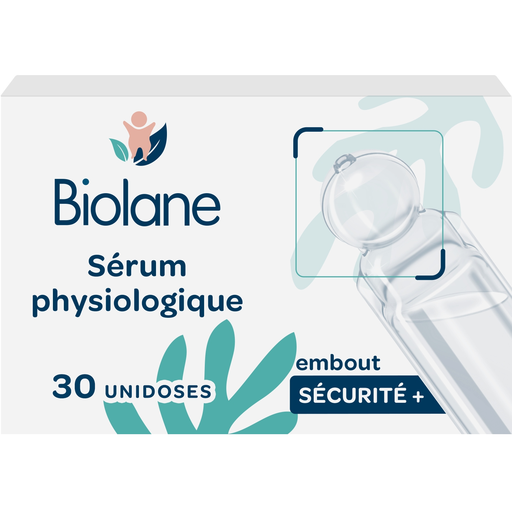
Why this choice suits this profile : The 30 single doses of 5 ml are easy to carry and can be used for nasal or eye hygiene, in accordance with the instructions. The solution is described as sterile, preservative-free and suitable for babies, children and adults.
The individual packaging means you do not have to keep an opened bottle and helps reduce the risk of sharing the same nozzle between several people.
30 doses of 5 ml, safety nozzle, 0.9 % sodium chloride, external use and single-use pod.
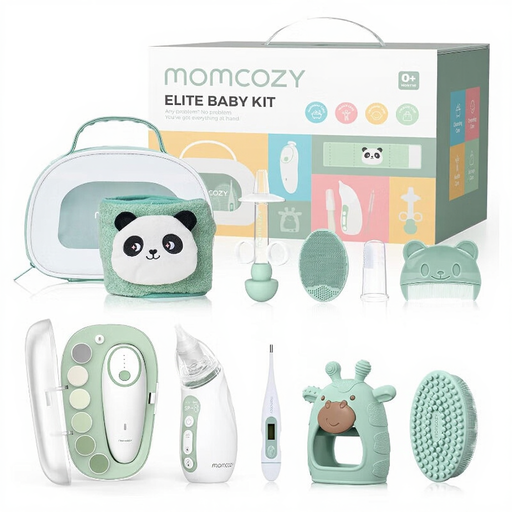
Why this choice suits this profile : This set combines a nasal aspirator, thermometer, electric nail file and several accessories in a case. It is designed for parents who want to keep a range of care products together at home and when travelling.
The case avoids the need to buy several items separately. However, you should check how each component is used and follow the recommended adult supervision requirements.
Nasal aspirator with three advertised suction levels, thermometer, storage case and lithium battery included.
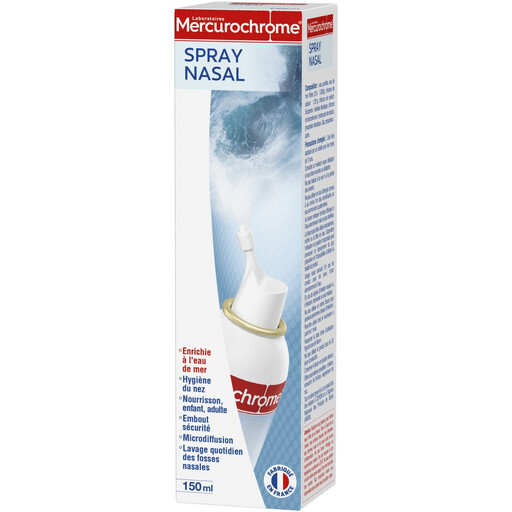
Why this choice suits this profile : Its 150 ml bottle and micro-diffusion nozzle with safety tip are suitable for a family looking for a nasal spray for children to use at home, under adult supervision for younger children.
The stated 2 % concentration and spray method are clearly detailed. However, the nozzle must be cleaned after each use and must not be shared.
150 ml, filtered seawater stated at 2 %, fine spray, made in France as indicated, and family use according to the packaging.
For an infant, position them as described in the instructions, without inserting the nozzle. With a single-dose pod, use a new pod and throw it away immediately after opening. For a spray, wipe the nozzle with a clean tissue before replacing the cap.
If you use a baby nasal aspirator after rinsing, choose gentle suction and follow the instructions for use. The aim is to remove accessible secretions, not to repeat the process excessively. Persistent irritation, worsening symptoms or unusual discomfort should prompt you to seek medical advice.
We have put together a complete, real-time updated list of products that meet these strict selection criteria and European safety regulations.
Saline solution in a single-dose pod or a product specifically indicated for the baby’s age is generally the simplest option. Check the instructions, stated sterility and the warning not to reuse an opened dose. If the problem persists or concerns you, seek advice from a healthcare professional.
The frequency depends on the child’s age, their needs and the product instructions. You can rinse the nose when secretions make nasal breathing difficult, but you should follow the instructions and stop using the product if irritation occurs. Sprays intended for everyday hygiene are not a substitute for prescribed treatment.
The duration varies depending on the packaging. Check the expiry date and any instructions concerning the period of use after first opening. A single-dose pod must be thrown away after opening. A multidose bottle should remain closed, be stored in accordance with the recommendations and no longer be used if the nozzle or container is damaged.