
Livraison le jour même ou le lendemain

Qualité garantie

Débloquez vos offres de bienvenue: Livraison GRATUITE | Jusqu'à -80 % | 30 jours d'essai gratuits à JoyPlus
Téléchargez l'application
Choosing baby nappies isn't simply about comparing the number of nappies in a pack. An ill-fitting nappy can cause leaks, leave marks on the skin or make your baby uncomfortable when they start moving. On the other hand, a highly absorbent nappy that's too big risks letting stool or urine escape from the sides.
Three common pitfalls crop up when buying nappies:
Size 1, size 2, size 3, size 4, size 5 and size 6 nappies don't always match the same weight ranges across different brands. Always check the packaging before ordering.
As a general guide, the available sizes typically cover the following ranges:
A nappy that's too small will leave red marks around the thighs and tummy. One that's too big will create gaps around the legs. In both cases, the risk of leaks increases.
For overnight or long trips, look for an absorbent core, elastic barriers around the legs and, depending on the model, a back pocket designed to contain liquid stool. Claims of long-lasting absorbency or overnight protection should be taken for what they are: features stated by the brand, not a guarantee that works for every child.
A wetness indicator can make nappy changes easier, especially with newborn nappies. It changes colour when the nappy is wet, but doesn't replace regular checks.
For sensitive skin nappies, choose a product with a clearly detailed composition and check for the presence of perfume, lotion or natural latex. Several models featured here state they are free from perfume or regulated fragrance allergens in the European Union.
So-called hypoallergenic nappies are designed to limit certain irritation factors, but this label doesn't mean a reaction is impossible. If redness persists, stop using the product and seek advice from a healthcare professional.
Eco-friendly nappies may contain FSC-certified cellulose, bio-based materials or recycled and recyclable packaging. This doesn't turn a disposable nappy into a reusable product: cloth nappies and disposable nappies are two very different categories. The former are washed and reused, while the latter are designed for single use.
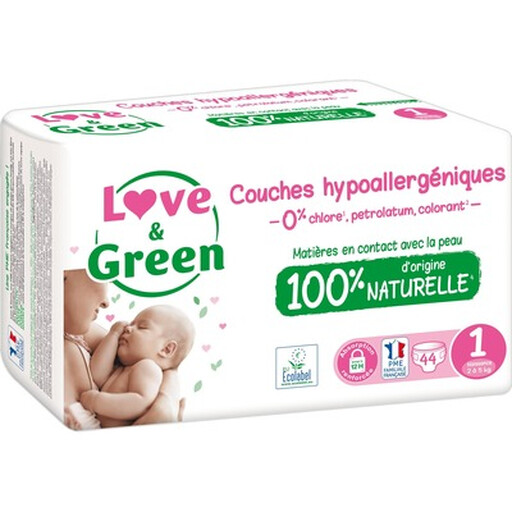
Why this suits this profile: This pack of 44 nappies is suitable for newborns weighing 2 to 5 kg and features a cut-out for the umbilical cord.
The weight range and pack size let you start with a sensible quantity, without building up a stock of a size that will soon be outgrown.
61% bio-based ingredients stated, FSC cellulose and recycled and recyclable packaging.
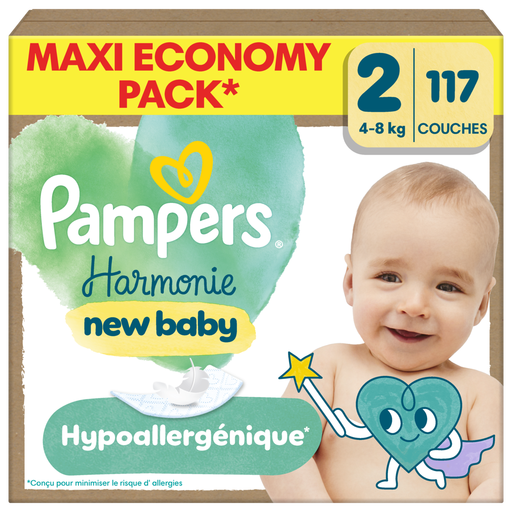
Why this suits this profile: This pack of 117 nappies is suitable for babies weighing 4 to 8 kg and for parents who are careful about the materials that come into contact with their baby's skin.
The product page states a hypoallergenic design, dermatological testing and the absence of regulated fragrance allergens in the European Union.
Top sheet made from 50% plant-based ingredients, wetness indicator and cellulose from FSC-certified forests.
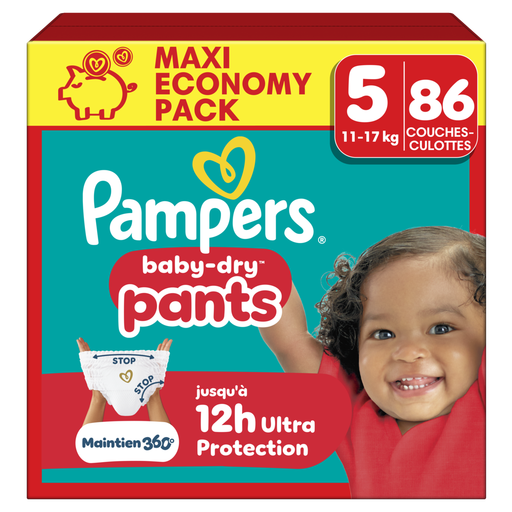
Why this suits this profile: These nappy pants are suitable for active children weighing 11 to 17 kg, particularly for outings, learning to walk or potty training.
The 360-degree stretchy waistband and tear-away sides make dressing and undressing easy, without having to fiddle with a tape nappy that's become impractical.
Side barriers, back pocket, absorbent core and adhesive tape for rolling up the nappy after use.
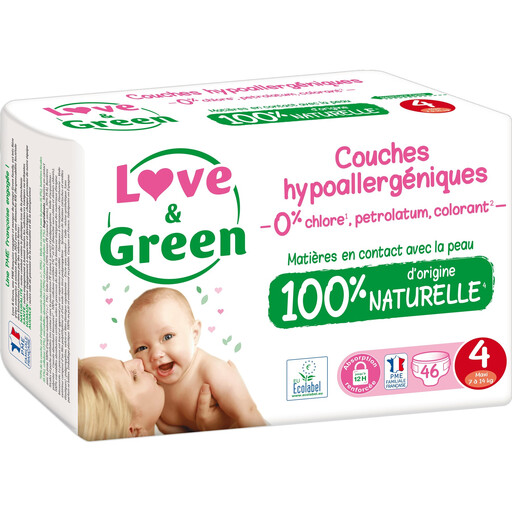
Why this suits this profile: This pack of 46 nappies is designed for children weighing 7 to 14 kg and for households that want to reduce their use of certain fossil-based materials.
The product page details the bio-based content, FSC cellulose and absence of perfume, rather than just making a vague eco-friendly claim.
70% bio-based ingredients stated, bio-based absorbent pad and packaging made from recycled and recyclable plastic.
We've put together a comprehensive, real-time updated list of products that fully meet these strict selection criteria and European safety regulations.
Move up a size when the tapes are at their furthest setting, when marks appear on the skin or when leaks keep happening despite a good fit. Always check the new weight range before ordering a large pack.
How often you change a nappy depends on your baby's age, diet and how much urine or stool they produce. A nappy should be changed as soon as it's soiled and regularly when it's wet. Some brands claim extended overnight protection, but this doesn't replace keeping an eye on your child.
Fragrance-free nappies can be a good choice for parents who want to limit unnecessary ingredients. That said, "fragrance-free" doesn't automatically mean a nappy will suit every baby. Check the ingredients, monitor your baby's skin and stop using the product if irritation persists.