
Livraison le jour même ou le lendemain

Qualité garantie

Débloquez vos offres de bienvenue: Livraison GRATUITE | Jusqu'à -80 % | 30 jours d'essai gratuits à JoyPlus
Téléchargez l'application
Choosing baby nappies isn't just about counting how many are in a pack. An ill-fitting nappy can cause leaks, leave marks on the skin or make your baby uncomfortable as soon as they start wriggling. You also need to be able to tell the difference between marketing claims and features you can actually verify.
Three mistakes crop up time and again:
The weight ranges listed for each size are a good starting point, but they don't replace watching your own baby. A well-fitting nappy should sit snugly against the back and thighs without pressing into the skin.
For example, newborn nappies like Pampers Premium Protection size 0 are designed for babies under 3 kg and have a cut that leaves room around the umbilical cord. Size 1 in the same range covers a different weight bracket. For a child weighing 6 to 10 kg, size 3 is often a better fit, while size 4 generally suits children from 9 to 14 kg, depending on the brand.
In particular, check for:
Leak-proof nappies designed for night-time use need an absorbent core that can handle several hours of wear. A wetness indicator can help you know when to change, but it doesn't replace regular checks.
Some night-time nappies claim to offer protection for up to 12 hours, or even 100% leak protection. These claims are taken from the product descriptions: they aren't a guarantee that works for every child. Sleeping position, the amount of liquid absorbed and the nappy's fit all play a part too.
For children who move around a lot, nappy pants can be more practical. Their stretchy waistband moves with them, and they're generally easier to put on when your child refuses to lie still.
If your child has sensitive skin, look for specific information rather than vague promises like "natural" or "ultra-soft". Hypoallergenic baby nappies may, depending on the manufacturer, be dermatologically tested, fragrance-free or free from natural latex. Check the product page to see what's actually stated.
The OEKO-TEX Standard 100 label means the product has been tested against the criteria of that standard. It doesn't guarantee no risk of irritation at all. Similarly, a nappy marketed as eco-friendly may contain plant-based materials or FSC-certified cellulose without being fully biodegradable.
Eco-friendly nappies are, in most cases, still single-use products. The term "washable disposable nappies" is therefore confusing: a washable nappy is reusable, while a disposable nappy is designed for one use only. Read the instructions and disposal guidance carefully.
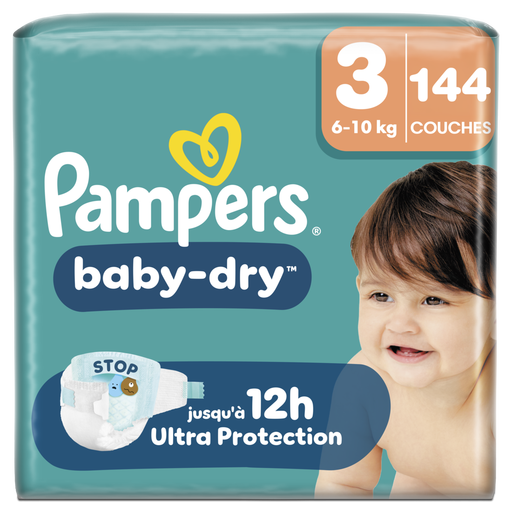
Why this suits this profile: This large pack can work well for families who want to cut down on shopping trips for a baby weighing 6 to 10 kg.
The size and weight range are clearly stated. This reduces the risk of buying a nappy that's too big just to get more pieces.
Wetness indicator, fast-absorbing core and Stop & Protect pocket at the back, according to the product page.
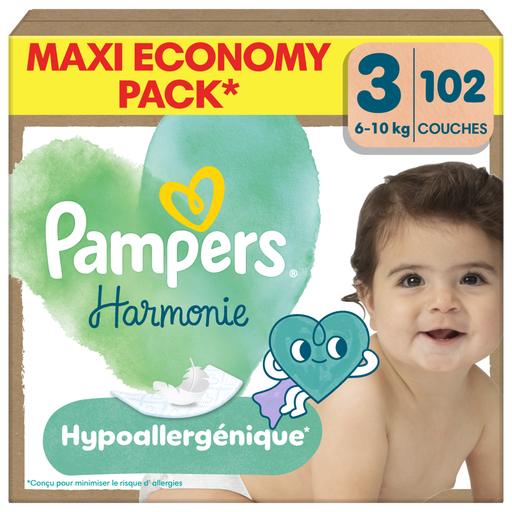
Why this suits this profile: This product is aimed at parents who care about plant-based materials and the compliance information provided by the brand.
The claim of 50% plant-based ingredients refers to the top sheet, not the whole nappy: the product page helps put this promise into perspective.
Cellulose from FSC-certified forests, according to the product page, wetness indicator and OEKO-TEX Standard 100 tested.
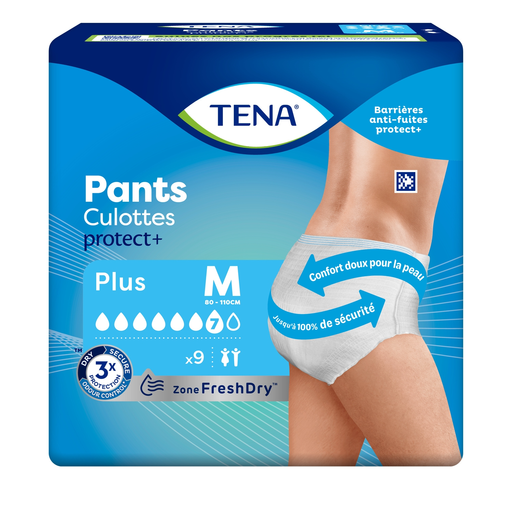
Why this suits this profile: This product is designed for adults and carers looking for incontinence protection that pulls on like underwear.
Size M, the close fit and the unisex model are clearly stated. There's no risk of confusing it with a baby nappy.
Leak guards, stretchy material and FreshDry technology as stated by the manufacturer.
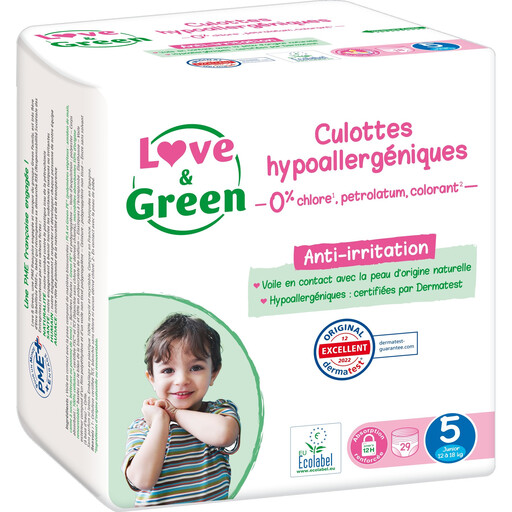
Why this suits this profile: Its elastic waistband and pull-on design make those first steps easier, as well as changes when your child is gaining independence.
The product page clearly states it's a disposable item and gives a weight range of 12 to 18 kg. So there's no risk of confusing it with a reusable nappy.
Stated plant-based materials, no lotions or dyes, and a design intended for easy self-dressing.
We've put together a full, real-time selection of products that meet these exacting criteria as well as European safety regulations.
Start with the weight stated on the packaging. A size 0 may suit a baby under 3 kg, while size 1 generally covers a higher range, depending on the brand. Then check the fit around the back, tummy and thighs.
It's better to change a nappy as soon as it's wet or soiled rather than sticking to a set time. At night, a nappy designed for extended absorbency can be used, but keep an eye on your child and change them if needed. If redness persists, stop using the product and ask a healthcare professional for advice.
They make it easier to pull on and off when your child is moving around on their own. However, they don't replace guidance or a gradual learning process. Choose the size based on weight and make sure the waistband doesn't press into the tummy.