
Livraison le jour même ou le lendemain

Qualité garantie

Débloquez vos offres de bienvenue: Livraison GRATUITE | Jusqu'à -80 % | 30 jours d'essai gratuits à JoyPlus
Téléchargez l'application
For parents of a newborn, baby hygiene products on the shelf can often look the same: water-based formulas, natural fibres, sensitive skin, plant-derived ingredients… Yet certain details can make a real difference to your daily routine. A wipe that is too heavily scented might not suit reactive skin, while a poorly sealed pack will dry out its contents before you’ve even used them.
Here are the key factors to consider before buying baby wipes, saline solution or a nasal care accessory.
The claim “99% water” tells you the proportion of water, but it says nothing about the full ingredient list. Also check the other components: humectants, preservatives, fragrance, plant extracts or surfactants.
For sensitive skin, baby wipes for sensitive skin without fragrance are often easier to incorporate into your routine. A scented formula isn’t necessarily unsuitable, but it does call for extra caution around the face, in skin folds and on the nappy area.
A wipe labelled as biodegradable should not be flushed down the toilet unless the packaging explicitly states it is safe to do so. Some fibres may break down under specific conditions but can still cause blockages in your pipes.
Biodegradable baby wipes, such as plastic-free options, should generally go in the bin. Even when a wipe is marketed as flushable, stick to the recommended quantity and consider your plumbing, especially if you have a macerator.
A bulk pack may lower the cost per wipe, but you still need to store the packets in a cool, dry place. A poorly sealed closure is enough to dry out the wipes before you’ve used them.
For outings, a small pack of baby face and body wipes or water wipes slips easily into a changing bag. At home, cotton squares or dry cloths that you moisten yourself can also help reduce individual packaging.
Read the full ingredient list and look for features that match your needs:
Claims such as “hypoallergenic” and “dermatologically tested” refer to a process or characteristic claimed by the brand. They do not replace reading the label or observing your child’s skin. If irritation occurs, stop using the product and seek advice from a healthcare professional.
Compare the number of wipes per pack, but also their size and strength when wet. For nappy changes, a thicker wipe may mean you use fewer. For hands or face, a more compact size is usually sufficient.
Dry wipes that you moisten yourself, such as plant-fibre cloths, let you control the amount of water and can be used for everyday care. However, they do not replace a pre-moistened wipe when you need to act quickly while out and about.
Baby saline solution in 5 ml single-dose vials is convenient for one-time use and reduces the risk of contamination after opening. According to the manufacturer’s instructions, it can be used for nasal and eye hygiene: do not reuse an opened vial and never share the same dose between different people.
Nasal spray for babies or children should be chosen according to the age stated on the packaging. A manual nasal aspirator with a replaceable tip and filter requires thorough cleaning after each use. These products are intended for hygiene and comfort; if symptoms persist or worsen, seek medical advice.
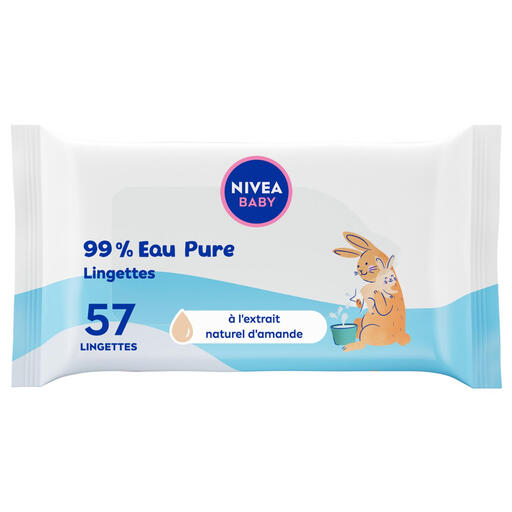
Why this choice suits this profile: With 57 wipes, this pack is ideal for parents looking for a versatile option for hands, face, body and nappy changes.
The stated formula contains 99% water and the manufacturer indicates use for face, body and hands. Nevertheless, check the label upon receipt.
A natural almond extract in the formula, a cloth described as soft and a pack of 57 units.
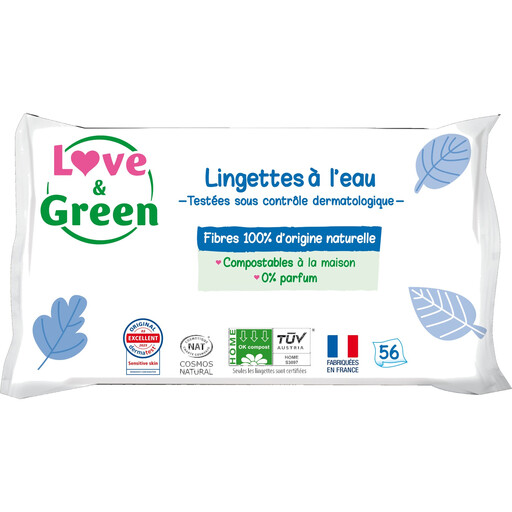
Why this choice suits this profile: This option is aimed at households that prioritise a short ingredient list, no fragrance and natural fibres.
The listing does not rely solely on the “biodegradable” claim: it mentions plastic-free fibre, FSC certification and recyclable mono-material packaging.
56 wipes, a fragrance-free formula, 98% naturally derived ingredients and COSMOS NATURAL certification according to the product listing.
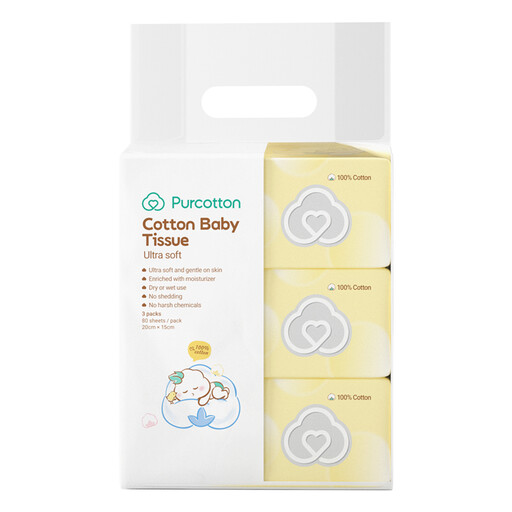
Why this choice suits this profile: The pack of three is ideal for frequent nappy changes and families who prefer to moisten the sheets themselves as needed.
The product can be used dry or damp, so you don’t have to choose a pre-moistened wipe for every situation. It should not be flushed down the toilet.
100% cotton according to the listing, OEKO-TEX STANDARD 100 certification stated and a total of 240 sheets.
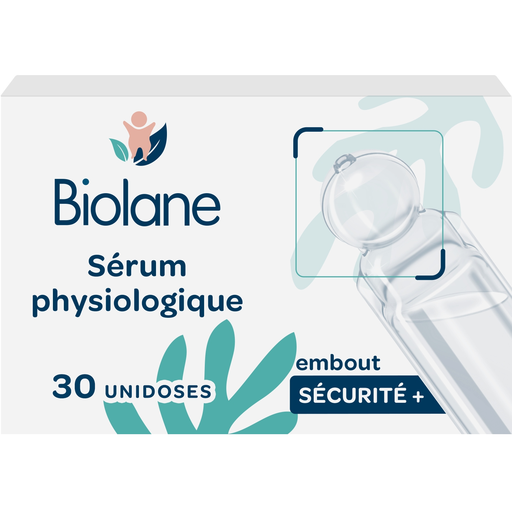
Why this choice suits this profile: The 30 single-dose vials of 5 ml mean you can keep saline solution handy in the bathroom, changing bag or nursery.
The single-dose format avoids keeping an opened vial. The listing also states not to use the same dose for both eyes and nose.
A sterile 0.9% sodium chloride solution, preservative-free, designed for nasal and eye hygiene according to the product listing.
We have put together a comprehensive, real-time updated selection of products that meet these exacting criteria and comply with European safety regulations.
Yes, if the packaging states they are suitable for face and body. Use a fresh wipe for each area and avoid contact with the eyes. If your child has very reactive skin, test the product on a small area first and choose a fragrance-free formula.
Check the date on the pack as well as the recommended period after opening. Reseal the packaging carefully after each use and store it away from heat and direct sunlight. Do not use a wipe that is dry, discoloured or has an unusual odour.
Saline solution in single-dose vials is a practical option for daily hygiene. A nasal aspirator can complement your routine, provided you follow the instructions. For a nasal spray, always check the minimum age and usage precautions. If discomfort is significant or persistent, seek advice from a healthcare professional.