
Livraison le jour même ou le lendemain

Qualité garantie

Débloquez vos offres de bienvenue: Livraison GRATUITE | Jusqu'à -80 % | 30 jours d'essai gratuits à JoyPlus
Téléchargez l'application
Between jars, purées, fruit compotes, cereals and organic baby biscuits, the baby food aisle can quickly become difficult to navigate. Packaging promotes recipes as “natural”, “complete” or “suitable”, but these claims do not replace the need to check the recommended age, texture and ingredients list carefully.
To buy just what you need and put together balanced meals from 4 to 18 months, here are the key criteria to examine first.
The recommended age should be checked on the label and considered alongside the product’s texture. A meal suitable from 4 months does not meet the same learning needs as a dish intended for babies from 12 months and containing small pieces.
Progress generally moves from a smooth texture to a thicker preparation, then to soft pieces. However, every child develops at their own pace. If you are unsure about introducing a food or allergen, ask a healthcare professional for advice.
An organic product meets precise production standards, but that does not mean it is suitable for every stage of weaning. You should also check the amount of sugar, whether salt is present and any potential allergens such as milk, egg, gluten or nuts.
For example, an organic baby biscuit can be a handy snack at teatime. However, it should form part of a varied diet, rather than routinely replacing a meal.
Baby food jars and dishes should generally be refrigerated after opening and consumed within a specific period. Depending on the product information, this may be 24 or 48 hours. A portion that has already been reheated should not necessarily be reheated a second time.
Also read the preparation instructions. Some containers should not be placed directly in the microwave, while others are designed to be reheated in their dish.
For a meal intended for babies from 4 months, choose a completely smooth purée and a simple recipe. Vegetable assortments allow you to vary new discoveries without buying lots of different products. For example, the Blédina vegetable pack combines green beans, peas, spinach and potatoes in three 130 g pots, with smooth textures and an indication of suitability from 4 to 6 months, depending on the product.
From 6 months, baby cereals can complement a preparation, in accordance with the manufacturer’s instructions. Blédina’s vanilla Blédine is prepared with around 200 ml of lukewarm water and 3 to 4 measuring spoonfuls. It must be consumed immediately and cannot be stored.
Check the order of the ingredients, the stated percentages and the highlighted allergens. Recipes containing milk, egg, gluten, fish, celery, soya or nuts require particular attention.
HiPP vegetable lasagne from 18 months contains milk, gluten, egg and celery, among other ingredients. HiPP beef lasagne from 15 months also contains beef, Cheddar and wheat. This information helps you rule out a recipe in the event of a known allergy or if the ingredient has not yet been introduced.
A 230 to 260 g format may be suitable for the lunch or dinner of an older child, while a 120 or 130 g pot fits more easily into the early stages of weaning. For days out, pouches and individual sachets reduce handling. However, it is still preferable to spoon the compote into a spoon rather than repeatedly letting the child suck directly from the packaging.
Your choice also depends on how much time you have available. A ready-to-heat dish can be useful on busy evenings, while a simple purée makes it easier to introduce a vegetable gradually.
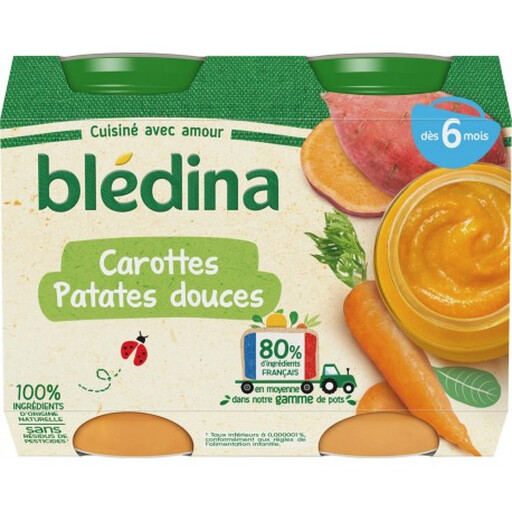
Why this choice suits this profile : This pack of two 200 g pots offers a simple way to start introducing vegetables from 6 months, without having to buy several different products.
The smooth texture and indication that it is suitable from 6 months help prevent you from offering a dish with pieces too early. The twin pack also reduces the risk of building up too many varieties.
Carrots, sweet potatoes and potatoes in a smooth purée, with two 200 g pots and 48-hour storage after opening.
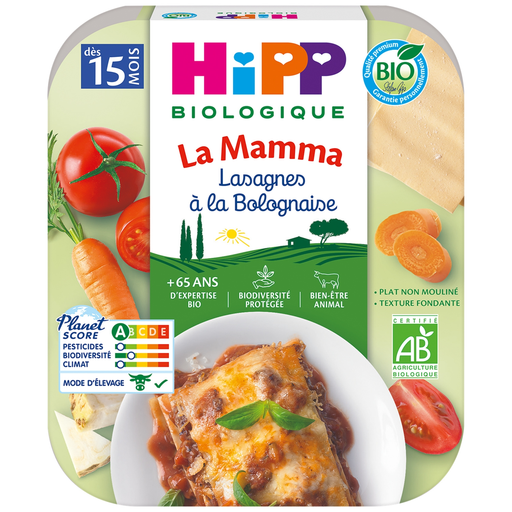
Why this choice suits this profile : This organic recipe is presented in a way that is similar to a family dish, making it suitable for parents who care about ingredient origins and the development of different textures.
The texture with small pieces is clearly intended for children from 15 months. The product information also specifies the allergens, including milk, egg, gluten and celery.
250 g, organic vegetables steamed according to the product information, in a dish stated by the manufacturer to be free from BPA and phthalates.
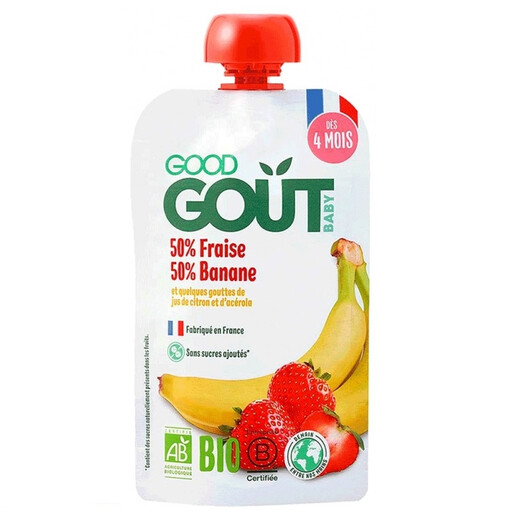
Why this choice suits this profile : This baby fruit compote in a pouch slips easily into a bag for a day out, a journey or a last-minute snack.
The ingredient list is short : strawberry, banana and lemon juice. The product information states that there are no added sugars and recommends refrigerating it for 48 hours after opening.
50% strawberry and 50% banana according to the product information, FR-BIO-01 organic certification and a pouch stated to be free from BPA and phthalates.
We have put together a complete, real-time updated selection of products that meet these stringent criteria and European safety regulations.
Start with smooth textures and simple recipes suitable for the age stated on the packaging. Vegetable purées and some fruit compotes with no added sugars are often practical for first tastes. The introduction of foods should follow the advice of the healthcare professional supporting your child.
Yes, but only in accordance with the brand’s instructions. The product information presented generally recommends refrigeration and consumption within 24 or 48 hours. Do not keep a portion that has already been touched by the child’s spoon, and always check the temperature before serving.
They can be offered according to the stated age and as part of a varied diet. Check their sugar content, the presence of allergens and the supervision instructions. A biscuit should be given when the child is sitting up and able to manage a suitable texture, under the close supervision of an adult.