
Livraison le jour même ou le lendemain

Qualité garantie

Débloquez vos offres de bienvenue: Livraison GRATUITE | Jusqu'à -80 % | 30 jours d'essai gratuits à JoyPlus
Téléchargez l'application
Choosing baby food jars is not simply a matter of comparing flavours or special offers. With claims such as “natural”, “organic” and “no added sugar”, plus age recommendations that can sometimes be easy to miss, it is all too easy to come home with a product that does not meet your child’s needs.
To help you shop with confidence, here are the key points to check before placing your order, along with a selection suited to different types of family.
A fruit purée “from 4 months”, a baby meal from 6 months or a dish from 12 months onwards will not meet the same needs. The age shown on the packaging should be followed, but it does not replace advice from the healthcare professional looking after your child, particularly in the event of an allergy or specific dietary requirements.
Remember to check the texture too:
“Natural”, “family recipe” and “authentic taste” do not always provide precise information about the ingredients. To find out exactly what you are buying, check the ingredients list and the order in which they appear.
For a baby fruit purée, choose a recipe made mainly from fruit. The claim no added sugar means that no sugar has been added to the preparation, but fruit naturally contains sugar. For example, the BABYBIO apple and mango purée contains 50% mango and 50% apple, with no added sugar.
Even a baby meal marketed as convenient may contain milk, gluten, egg, fish, celery or soya. Allergens should be checked every time you buy, as a recipe’s ingredients may change.
After opening, storage times vary by product:
The recommended age is the first filter to apply. For feeding a baby from 4 months, smooth fruit or vegetable recipes are generally available in small formats. From 6 months, meals may combine vegetables, starchy foods and, in some cases, a source of protein.
From 12 or 15 months, some dishes include tender pieces. They support the development of eating habits, but an adult should still supervise the child during meals.
Read the full ingredients list rather than relying on the front of the packaging. Here are the main points to check:
Babybio recipes, such as the carrot, butternut squash and rice meal, state that they contain 38% carrots, 17% squash and 7.6% rice, with no added salt. This information makes it easier to compare products on a clear and consistent basis.
Glass jars, bowls and pouches are not exactly suited to the same uses. Individual baby food jars make storage and portioning at home easier. Pouches are convenient to take with you, but it is still preferable to squeeze the purée onto a spoon or into a container, depending on your child’s usual routine.
Before buying, check:
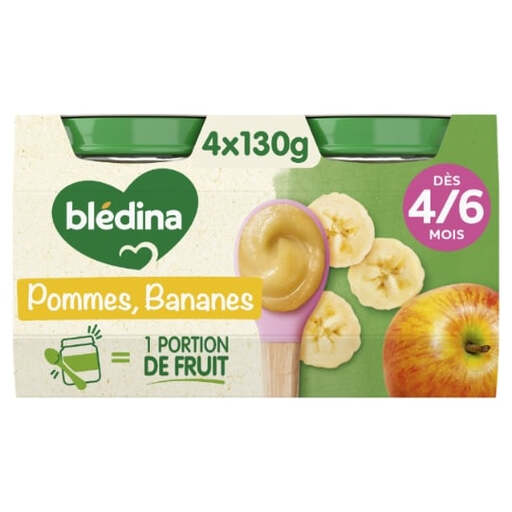
Why this suits this profile : This pack of four 130 g jars is ideal for families starting weaning and wanting to try a simple recipe across several portions.
The recipe contains 80% apple and 20% banana, with a smooth texture and no gluten. Its ingredients are easy to understand.
Four 130 g jars, served at room temperature or slightly chilled, with storage for up to 48 hours after opening according to the instructions provided.
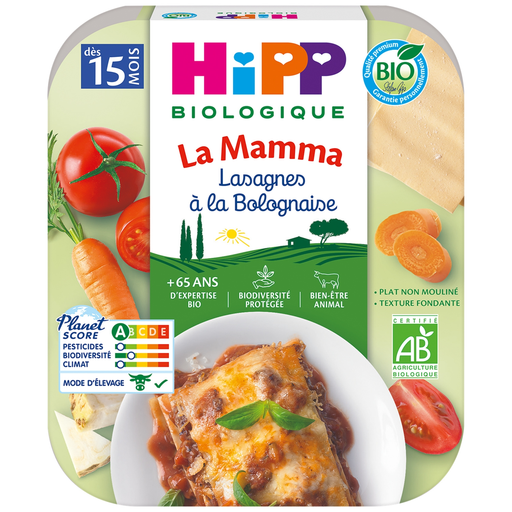
Why this suits this profile : This 250 g organic dish is aimed at parents looking for a more elaborate recipe for a child aged 15 months and over.
The recommended age, texture with tender pieces and main ingredients are clearly stated. The allergens — gluten, egg, celery and milk — should be checked before buying.
Organic farming ingredients, 31% tomatoes, 29% cooked lasagne and 5% beef according to the product information.
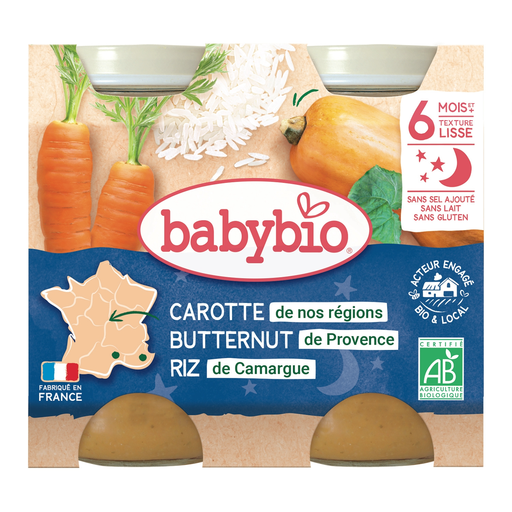
Why this suits this profile : The two 200 g jars make organising evening meals easier. They are ideal for parents looking for an organic recipe with no milk or gluten.
The product information confirms that it contains no added salt, milk or gluten. The detailed composition also makes it possible to check the proportions of vegetables and rice.
Organic certification stated, 2 × 200 g, suitable for heating in a bain-marie or microwave according to the manufacturer’s instructions.
We have put together a complete, real-time-updated list of products that fully meet these strict selection criteria and European safety regulations.
Yes, but only by following the instructions on the packaging. Several fruit purées in this selection should be resealed, stored in the fridge and eaten within 24 to 48 hours. If your child has eaten directly from the container, check the instructions carefully and avoid keeping the leftovers for later.
Look for the claim “no added sugar”, then check the ingredients list. A fruit purée may contain only fruit while still showing sugar in its nutritional table: this sugar occurs naturally in the fruit. This check is more reliable than relying solely on the claims shown on the front of the packaging.
Choosing organic depends on your priorities and budget. To choose an organic baby meal or organic fruit purée, look for the certification shown on the packaging and also compare the recommended age, texture, allergens, format and ingredients. The certification does not remove the need to check this information before every purchase.