
Livraison le jour même ou le lendemain

Qualité garantie

Débloquez vos offres de bienvenue: Livraison GRATUITE | Jusqu'à -80 % | 30 jours d'essai gratuits à JoyPlus
Téléchargez l'application
Introducing solid foods is a key milestone in your baby's life, but it's also an endless source of questions for parents. Faced with shelves full of baby food jars, pouches, and pre-made meals, it's easy to feel overwhelmed. Between marketing promises and long ingredient lists, how can you be sure you're making the right choice for your child's health and development?
As a Product Recommendation Manager at Joybuy, my mission is to help you gain some clarity. Let's break down the pitfalls to avoid and the essential criteria for selecting a baby meal that is healthy, practical, and perfectly suitable.
Baby food marketing is designed to be reassuring, but some practices can be misleading. Here are three things to keep in mind:
To navigate the pre-made baby meals aisle with confidence, focus on these essential points.
The golden rule is simple: the shorter the ingredient list, the better. A short, easy-to-read list is often a sign of quality. Always check for these points:
Introducing solid foods is a step-by-step process. The texture of the meals should evolve along with your child.
The packaging format is also important and will depend on your daily routine.
To put theory into practice, here is a selection of products from our catalogue that tick all the right boxes.
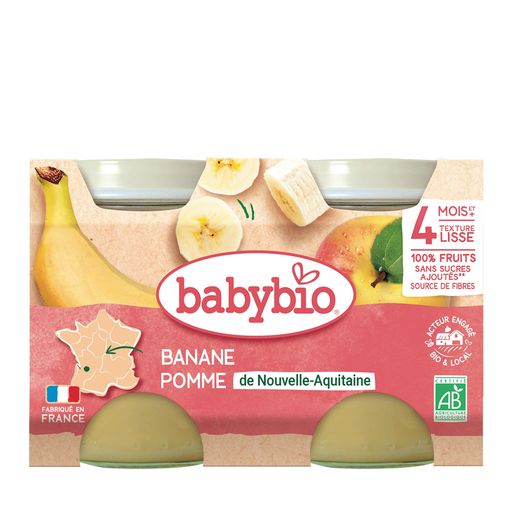
Why we recommend it: Perfect for starting solid foods, this jar features a simple recipe with two fruits that are very well-tolerated by little ones. Its smooth texture is perfectly suited for first spoonfuls, and its organic origin reassures parents who are conscious about quality.
This product is genuinely free from added sugars, containing only those from the fruit. The ingredient list is ultra-short: apples from Nouvelle-Aquitaine, bananas from Ecuador, and a touch of lemon juice for preservation.
A 100% fruit and organic recipe with clear ingredient traceability (apples sourced from France), a true sign of trust.
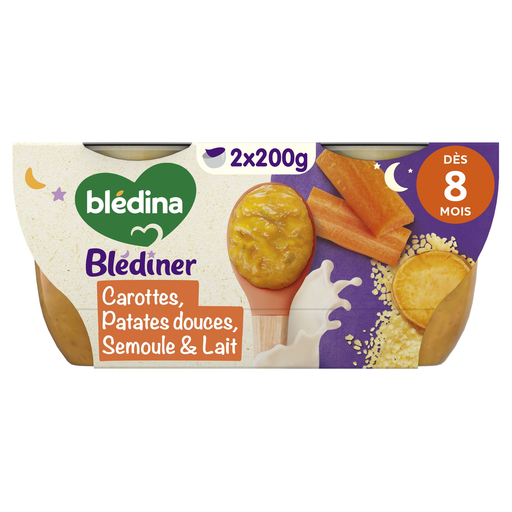
Why we recommend it: This is an excellent option for the evening meal. It combines vegetables, carbohydrates (semolina), and a touch of milk for a complete and easily digestible dinner. The mashed texture is perfect for 8-month-old babies exploring new sensations in their mouth.
This dish is well-formulated with no added salt and a good portion of vegetables. Its composition makes it a complete meal, avoiding the trap of a dish that's organic but nutritionally empty.
A complete and balanced dinner, ready in two minutes in the microwave. It is also a source of essential fatty acids (Omega-3) thanks to the addition of rapeseed oil.
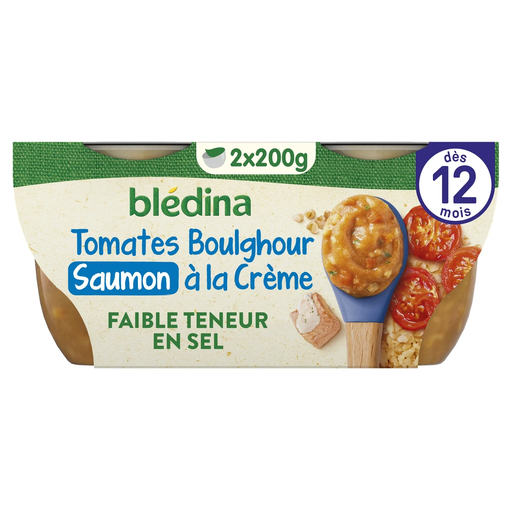
Why we recommend it: For babies 12 months and older, this dish offers a more complex recipe with fish and grains. The small pieces are perfectly sized to continue developing chewing skills and introduce new flavours.
The chunky texture is perfectly suited to the indicated age. The recipe is balanced with vegetables, carbohydrates, and fish (a source of Omega-3), and its salt content remains very low, as recommended by paediatricians.
A complete meal that introduces fish in a delicious and convenient way. The ideal solution for adding variety without spending hours in the kitchen.
Discover our complete selection of products that strictly adhere to our quality criteria and current regulations.
The key is to scrutinise the ingredient list. Terms to look out for include: sugar, sucrose, glucose syrup, fructose, or concentrated fruit juice. If the product only contains fruits or vegetables, the phrase "contains naturally occurring sugars" is a good sign.
It is never advisable to refreeze a thawed product. For glass jars, freezing is not a good idea: it can alter the texture and, more importantly, cause the jar to shatter. An opened jar can be kept in the refrigerator for 24 to 48 hours (refer to the instructions on the packaging).
It's all a matter of texture and recipe complexity. A meal for a 6-month-old baby will have a perfectly smooth texture to make swallowing easy. In contrast, a meal for a 12-month-old baby will include real pieces to encourage chewing, with more elaborate recipes that include larger amounts of carbohydrates, meat, or fish.