
Livraison le jour même ou le lendemain

Qualité garantie

Débloquez vos offres de bienvenue: Livraison GRATUITE | Jusqu'à -80 % | 30 jours d'essai gratuits à JoyPlus
Téléchargez l'application
As a parent, navigating the vast baby food aisle can often feel like an obstacle course. Between marketing promises and a jungle of available options, choosing the right baby food to support your child's weaning journey is a real challenge. The goal is simple: to provide a healthy, suitable, and convenient meal. But be warned—certain pitfalls can make this choice far more complex than it seems.
Before we unveil our top picks, let's review the key points to check to make an informed decision and avoid any unpleasant surprises.
To see things more clearly, let's focus on three essential criteria. They will ensure you make a choice that is perfectly suited to your child's needs.
Baby's diet must evolve along with their chewing and swallowing abilities.
The ingredients list is your best friend. Here’s what to examine closely:
Each age has its own needs. Here are our recommendations, selected to meet specific situations and requirements.
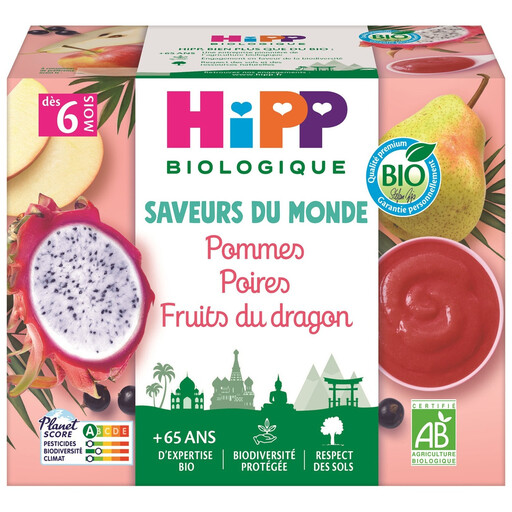
Why it's a good choice: Ideal for the very first spoonfuls, this compote combines sweet flavours with a touch of originality (dragon fruit!) in a perfectly smooth texture. The individual pot format is perfect for adjusting portions to your baby's small appetite.
The "no added sugar" claim is strictly honoured here: the recipe is 100% organic fruit, full stop. The ingredients list is ultra-short and crystal clear.
Organic ingredients and a simple recipe to introduce your baby's palate to real tastes without overwhelming it.
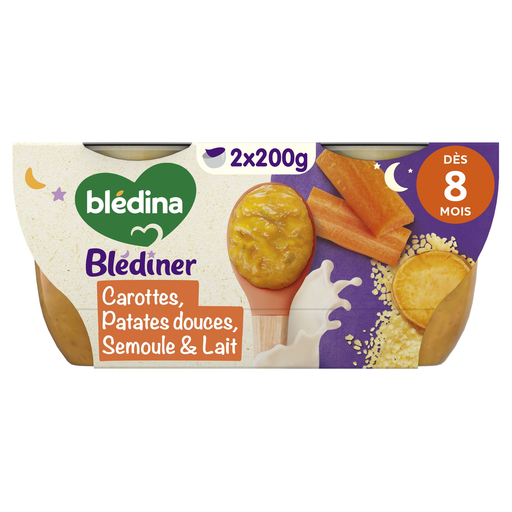
Why it's a good choice: Specially designed for the evening meal, this dish combines vegetables, cereals (semolina), and a milky component to help your baby have a good night's sleep. Its mashed texture is perfectly suited for 8 months and up.
Here, the "complete dinner" promise is kept. Its well-thought-out composition (vegetables, starches, milk) avoids the pitfall of unbalanced meals that are often too high in carbohydrates.
No added salt, a source of omega-3 (ALA), and made in France. The ready-to-use bowl format is a real bonus on tired evenings.
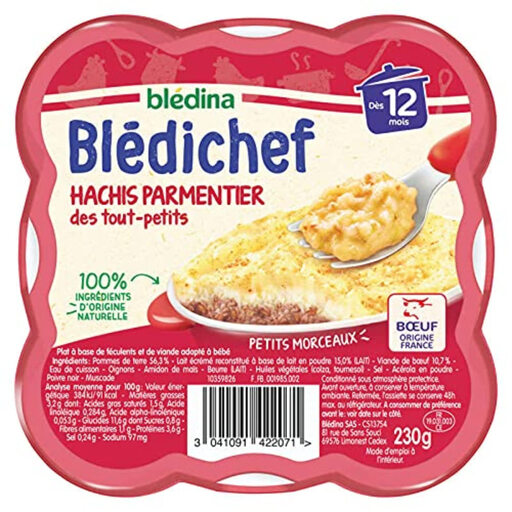
Why it's a good choice: A timeless classic that everyone loves. The Blédina recipe offers a texture with real, soft chunks (minced beef, potatoes) and a creamy purée, ideal for training the little jaws of babies over 12 months.
The tray format is perfectly designed for toddlers who want to eat "like the grown-ups." Most importantly, the chunky texture truly meets the needs of this age group, unlike a simple smooth purée.
A recipe inspired by traditional home cooking, with easy-to-identify ingredients and an ultra-convenient tray format that's easy to heat.
Discover our complete selection of baby meals, all chosen according to the same strict quality and safety standards.
The only reliable method is to scrutinise the ingredients list. If you read terms like "sugar," "glucose syrup," "fructose," or "fruit juice from concentrate," it means sugars have been added. If the list only mentions fruits or vegetables, then the sugars are only those naturally present in the ingredients. It's as simple as that.
This is strongly discouraged. Freezing damages the texture and flavour of the recipes. Worse, a glass jar is at risk of breaking. The golden rule from manufacturers like Blédina or HiPP is simple: once opened, the jar should be stored in the refrigerator and consumed within 24 to 48 hours.
The difference is huge and comes down to regulation. Infant food is subject to drastic standards that are much stricter than those for adults, particularly regarding levels of pesticides, nitrates, and other contaminants. Baby compote recipes are also specifically formulated without added sugars and with progressive textures, which is far from always being the case for "regular" compotes in the adult aisle.