
Livraison le jour même ou le lendemain

Qualité garantie

Débloquez vos offres de bienvenue: Livraison GRATUITE | Jusqu'à -80 % | 30 jours d'essai gratuits à JoyPlus
Téléchargez l'application
Choosing baby diapers can quickly become a headache. Between promises of absolute leak-proof protection, "hypoallergenic" claims, and a jungle of sizes, it's easy to feel lost. As the Head of Product Recommendations at Joybuy, my role is to decode labels and help you navigate marketing traps. The goal: to help you focus on what truly matters—your child's comfort and safety.
The first, and most common, pitfall is relying solely on the weight range indicated on the package. A baby might fall within the correct weight bracket but have a body shape (chubby thighs, a little tummy...) that doesn't match the diaper's cut. The result: recurring leaks. Another classic mistake is calculating the cost-per-diaper without assessing its true absorbency. A cheap but ineffective diaper will force you to change your baby more often, cancelling out any expected savings. Finally, be wary of the "hypoallergenic" claim brandished like a banner. Without a serious certification to back it up, it can hide ingredients unsuitable for the most sensitive skin.
To make the right choice, focus on these key points before you check out.
Weight is just an indicator. The real secret to preventing leaks is the fit.
For hypoallergenic diapers, don't just take their word for it. Demand proof: the labels.
Every moment of the day calls for its ideal diaper.
We've selected a few models that stand out for their technical features, not just their marketing promises.
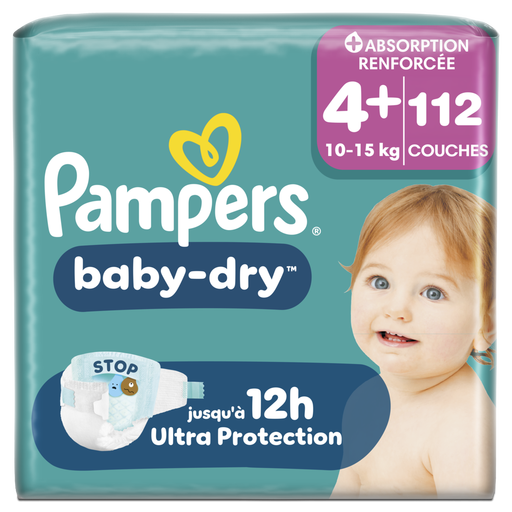
Our take: The ultimate in value for money. These diapers offer reliable protection, including overnight (the part we all care about!), without blowing the monthly budget.
Instead of a vague "leak-proof" promise, this model relies on a concrete innovation: the Stop & Protect back pocket, designed to block the most dreaded blowouts. The value pack ensures long-term cost control.
Dual security: targeted protection against back leaks and a dermatologically tested formula.
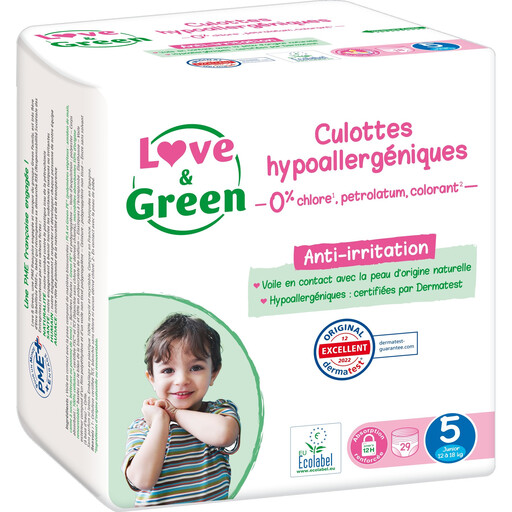
Our take: The peace-of-mind choice for parents who want the cleanest possible composition to minimise the risk of irritation on their child's delicate skin.
Here, the "hypoallergenic" claim isn't just marketing. It's backed by a composition free of lotions, dyes, and chlorine (TCF cellulose), with a naturally derived topsheet in direct contact with the skin.
A composition focused on naturally derived materials and strong certifications (FSC, TCF) that validate a more responsible approach.
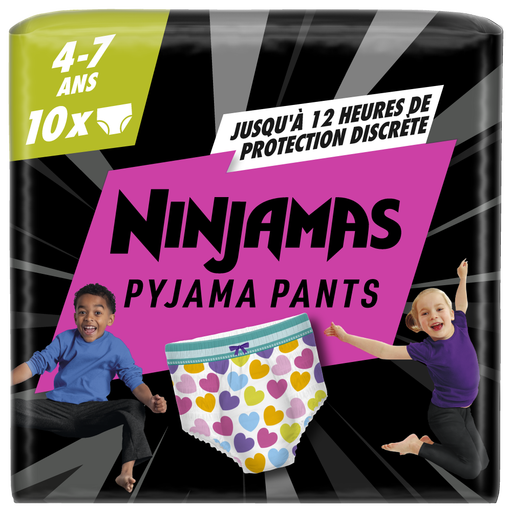
Our take: Specially designed for older children who still experience bedwetting, these night pants combine maximum absorption with a discreet design to protect their self-confidence.
This isn't just a bigger diaper. Its absorption technology is designed for heavier flows, and its 360° FormFit waistband ensures a discreet fit all night long, without the bulky feel of a traditional diaper.
Reinforced overnight absorption and a discreet design for ages 4-7. All certified STANDARD 100 by OEKO-TEX.
Explore our full selection of products that meet our strict selection criteria and current safety standards.
Traditional diapers fasten with adhesive tabs on the sides, perfect for a custom fit, especially on newborns. Training pants, or diaper pants, pull on like underwear. They are ideal when your baby becomes more mobile and to support them on their journey to potty training, as they can pull them down and up by themselves.
Don't just rely on the claim on the packaging. Look for proof! The STANDARD 100 by OEKO-TEX certification is a major seal of trust. Also, check for the absence of the 26 EU-listed fragrance allergens and look at the composition details (e.g., chlorine-free bleached cellulose). A product tested by an independent body like the Skin Health Alliance is a significant bonus.
The golden rule: as soon as it's soiled, and about every 3 to 4 hours during the day, even if it seems dry. Prolonged moisture is the number one enemy of a baby's skin. For nighttime, a special overnight diaper with higher absorbency is the key to keeping your baby dry longer and preserving their sleep (and yours!).