
Livraison le jour même ou le lendemain

Qualité garantie

Débloquez vos offres de bienvenue: Livraison GRATUITE | Jusqu'à -80 % | 30 jours d'essai gratuits à JoyPlus
Téléchargez l'application
As a parent, choosing the right baby diapers can quickly become overwhelming. Between marketing promises, a maze of brands, and countless models, it's easy to feel lost. The result? Purchases that are a poor fit for your baby and your budget. As a product expert at Joybuy, my mission is to help you find clarity. Let's break down the common pitfalls to avoid so you can make the right choice with complete peace of mind.
The diaper aisle is overflowing with options, but be aware that not all are created equal. Here are the three most common mistakes, which often lead to discomfort for your baby and unnecessary expenses.
To avoid these pitfalls, simply keep a few key criteria in mind. They are your best guarantee for choosing a product that is suitable, effective, and gentle on your child's skin.
Diaper sizes are always indicated based on a weight range (in kg). It is essential to weigh your baby regularly to ensure you are using the correct size.
A perfect fit is the best defence against leaks.
For babies prone to redness or if you're looking for a healthier option, paying close attention to the ingredients is a must. Prioritise hypoallergenic diapers and look for the following claims:
The diaper style should evolve with your child's motor skills.
Every family has different expectations. Here are a few recommendations we've chosen to meet specific needs.
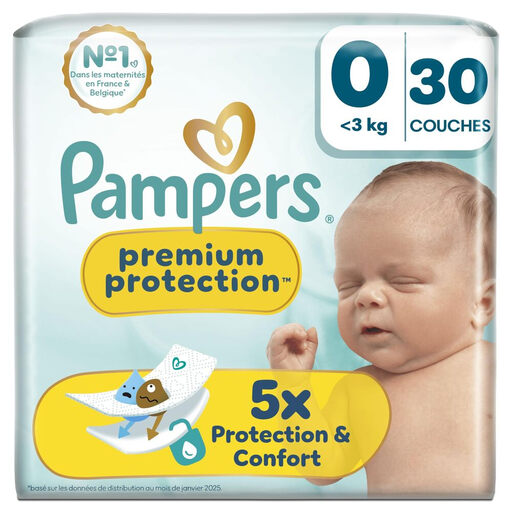
Why we chose it: Designed specifically for the first few days of life, this diaper meets the needs of the most fragile skin. It's a popular choice in French maternity wards.
It sidesteps the size pitfall by being specifically designed for newborns under 3 kg, and the ingredients pitfall thanks to its dermatologically tested and fragrance-free formula.
The special umbilical cord notch protects this sensitive area, and the Dermacomfort absorbent topsheet pulls wetness and runny stools away from the skin.
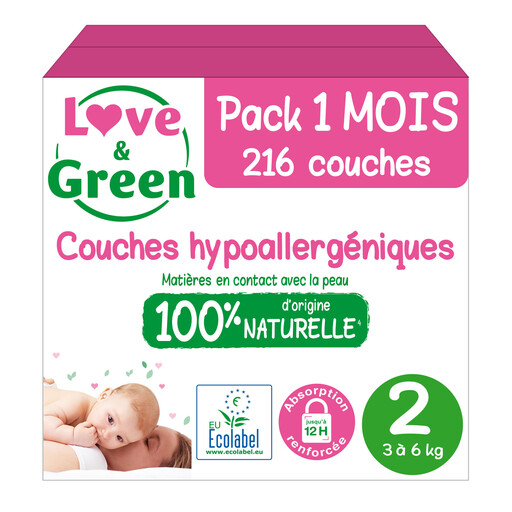
Why we chose it: For parents who want to limit their baby's exposure to chemicals and reduce their environmental impact. The monthly diaper pack format is both convenient and cost-effective.
It perfectly addresses the ingredients pitfall with its 0% lotion, dye, and fragrance formula and plant-based topsheet. Its hypoallergenic certification is a real bonus.
The topsheet in contact with the skin is plant-based (made from sugarcane and corn starch). The pulp is FSC certified and TCF (chlorine-free) bleached.
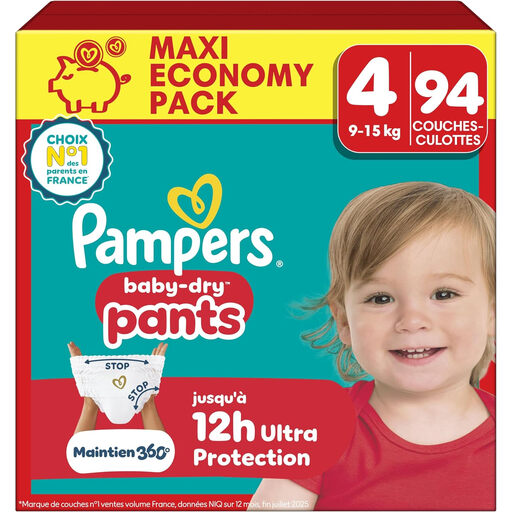
Why we chose it: When your baby starts to move, diaper changes can become a workout. Diaper pants offer a practical solution for parents and great freedom of movement for the child.
It bypasses the unsuitable style pitfall by adapting to the child's mobility. No more struggling to fasten tabs—the diaper pant slips on in a flash.
The 360° ultra-stretchy waistband adapts to the baby's body for a comfortable fit and leak-proof protection, even during active play.
We have compiled a complete list of products that meet our strict selection criteria and European safety standards.
For a newborn, it's recommended to change the diaper every 2 to 3 hours, and of course, as soon as it's soiled. For older babies, the frequency decreases slightly, but it's crucial not to leave a wet diaper against the skin for too long to prevent diaper rash. Most modern diapers, like Pampers diapers, have a wetness indicator that changes colour to let you know when it's time for a change.
First, rely on the weight range indicated on the package. Next, check the fit: you should be able to slide two fingers between the diaper and your baby's tummy. The anti-leak guards around the thighs should snugly cup the legs without being too tight. If you notice persistent red marks or regular leaks, it's time to move up to the next size.
The main difference lies in the ingredients. Eco-friendly diapers prioritise natural or renewable materials (like chlorine-free pulp and plant-based topsheets) and typically exclude substances such as fragrance, lotions, or dyes. Traditional diapers, while dermatologically tested for safety, may use more synthetic materials and contain lotions for skin care. The choice depends on your priorities regarding ingredients and environmental impact.