
Livraison le jour même ou le lendemain

Qualité garantie

Débloquez vos offres de bienvenue: Livraison GRATUITE | Jusqu'à -80 % | 30 jours d'essai gratuits à JoyPlus
Téléchargez l'application
Buying baby and childcare products often means comparing dozens of options: nappies, skincare, wipes, infant formula and everyday accessories. However appealing the marketing may be, it does not guarantee that a product will be suitable for your child’s age, weight or routine.
Certain traps come up time and again:
For nappies, the recommended weight is the first point to check. A size 0 nappy, intended for newborns weighing less than 3 kg, will not meet the same needs as a size 2 for babies weighing 4 to 8 kg or a size 3 for those weighing 6 to 10 kg. During the first few days, also check whether the design allows room around the umbilical cord.
For infant feeding, the age stated on the packaging is crucial. Follow-on milk from 6 months and growing-up milk from 12 months are not interchangeable. If in doubt, ask a doctor, midwife, pharmacist or another suitably qualified healthcare professional for advice.
If your baby has sensitive skin, check the INCI ingredient list rather than relying on advertising claims. A formula that is alcohol-free, soap-free or free from certain preservatives may suit a particular routine, but tolerance varies from child to child.
Certifications can provide a useful reference when they are clearly documented. The BIOLANE cotton pads featured here, for example, are described as 100% GOTS-certified organic cotton certified by ECOCERT. The Cattier lotion is described as COSMOS Organic certified by Ecocert Greenlife, with 99% ingredients of natural origin and 42% from organic farming, according to the product information provided.
Wipes and cotton pads should be kept in properly sealed packaging. Never flush them down the toilet, even when they are marketed as biodegradable. For nappy-area care, apply only a thin layer to clean, dry skin, following the recommendations on the packaging.
Baby nasal hygiene products require particular care: follow the recommended age, use single-use tips and clean reusable parts thoroughly. For a bottle warmer, check that it has an automatic shut-off, the temperature it actually reaches and whether it is compatible with your containers. The temperature of the milk must always be checked before feeding your child.
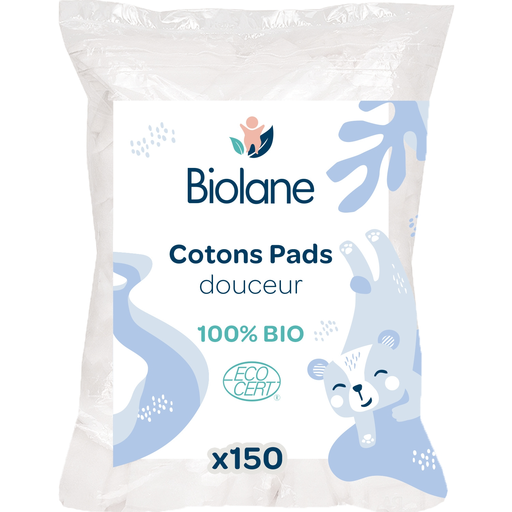
Why this choice suits this profile : The 150-pad pack is suitable for nappy changes as well as daily cleansing of the face, body and nappy area. The pads can be used dry or moistened with cleansing water or saline solution.
The product page states the advertised certification, the organic cotton composition and that the pads are not chlorine-bleached. The product therefore does not rely solely on a vague promise of softness.
GOTS-certified organic cotton certified by ECOCERT, stated to be made in France and packaging containing at least 50% recycled materials.
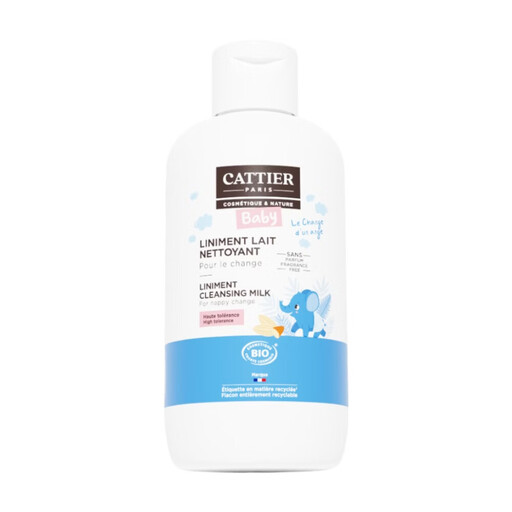
Why this choice suits this profile : This Cattier lotion is a good fit for a nappy-changing routine looking for a creamy texture and a certified formula. It can be used from birth under adult supervision.
The product page details the ingredients, COSMOS Organic certification and precautions for use. It also recommends a preliminary patch test rather than promising universal tolerance.
99% ingredients of natural origin, 42% from organic farming according to the product page, and a 200 ml size.
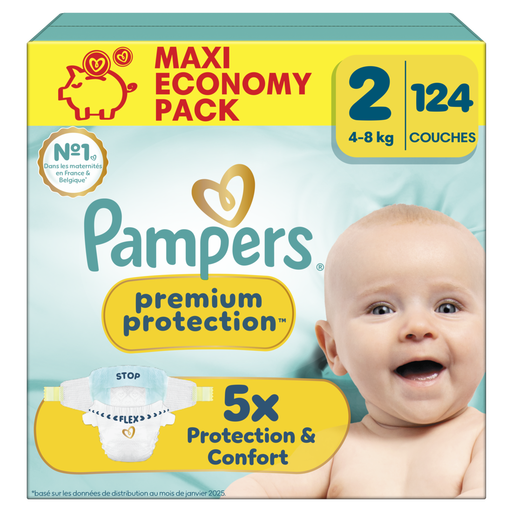
Why this choice suits this profile : The pack of 124 nappies is suitable for frequent changes for babies weighing between 4 and 8 kg. However, the right size should be confirmed by how well it actually fits your child.
The recommended weight, number of nappies and key design features are clearly specified. This helps you avoid choosing a size based solely on age or the economy-pack format.
Wetness indicator, a rear pocket designed to help limit leaks, and materials described as free from the fragrance allergens listed by the European Union.
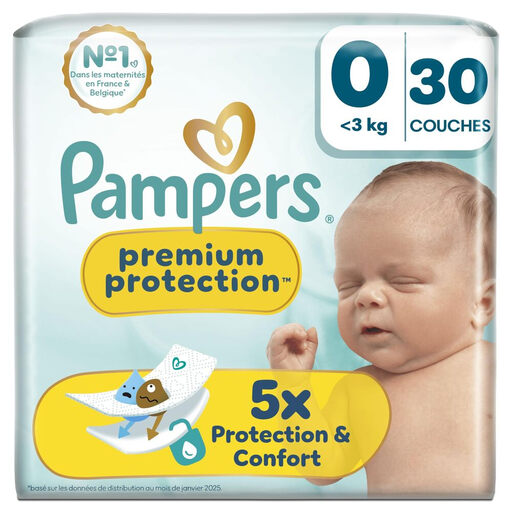
Why this choice suits this profile : This option is suitable from birth for babies weighing less than 3 kg. Its design is described as leaving enough room around the umbilical cord.
The 30-pack allows you to check the fit before moving on to a larger pack. This is a useful precaution when a newborn’s weight changes quickly.
Wetness indicator, stated to be free from fragrance and natural latex, plus OEKO-TEX Standard 100 certification mentioned on the product page.
We have put together a complete, real-time updated selection of products that meet these demanding criteria and European safety standards.
Start with nappies suitable for their weight, cotton pads or baby wipes, a gentle cleanser, practical clothing and the essentials for feeding. If infant formula is planned, choose it with the help of a healthcare professional. A bath thermometer can also help you check the water temperature, but it does not replace checking by hand or constant supervision.
Always follow the instructions on the packaging. The Gallia and HiPP tins featured state that they should be used within three weeks of opening, stored in a dry place and closed carefully. A prepared bottle should be given within the time stated in the instructions, and any leftovers must not be reused.
No. Wipes, cotton pads and nasal hygiene tips should be disposed of in the appropriate bin, even when some fibres are plant-based. This precaution helps prevent blockages and follows the manufacturer’s usage instructions.