
Livraison le jour même ou le lendemain

Qualité garantie

Débloquez vos offres de bienvenue: Livraison GRATUITE | Jusqu'à -80 % | 30 jours d'essai gratuits à JoyPlus
Téléchargez l'application
Nappy changes become part of a baby’s daily routine from birth. Between nappies, cotton pads, cleansing lotion, protective cream and spare clothes, baby changing products can quickly become expensive and take up a lot of space. To make the right choices, it is best to look beyond the promises on the packaging and consider safety, size and how the product will actually be used, both at home and when out and about.
A large changing bag is not necessarily practical. Without dedicated pockets, clean nappies may end up mixed with used clothing, while a bottle or cleansing-lotion container could leak over the rest of the contents. Check for clearly defined compartments, a space for the changing mat and, for longer outings, an insulated pocket.
A changing table with a bath can be highly practical, provided its dimensions suit your bathroom or bedroom. Also consider the total weight, the clearance between pieces of furniture and the space needed to unfold or slide out the bath. A folding table can be a good choice for a small home, provided you have a stable place to set it up each time.
The words ‘natural’ or ‘organic’ do not mean you can skip checking the INCI list, the recommended age of use and any warnings. For a nappy rash cream or organic baby cleansing lotion, choose a clearly detailed formula, suitable packaging and follow the instructions for use. These products are intended for external use and do not replace advice from a healthcare professional if a reaction persists or appears unusual.
When choosing a baby changing table, look for raised sides, a washable surface and a stable structure. The castors should have brakes, which must be locked before placing your child on the table. The roba models featured here indicate compliance with EN 12221-1+2:2008+A1:2013, which sets out the applicable safety requirements for domestic changing units.
The maximum load also deserves your full attention. The models described are designed for use from birth up to approximately 11 kg, or around 12 months depending on your child’s growth. Never leave a baby unattended on a changing table or in a bath, even for a few seconds.
A waterproof, easy-to-clean mat makes changing organisation much simpler. Materials advertised as phthalate-free may be a useful selection criterion, but they do not replace the care instructions. After each use, clean the surface with a suitable mild product and regularly check the condition of the screws, castors and fastenings.
For cotton pads, organic baby cotton pads made from certified organic cotton may meet the need for traceability. Where the GOTS label is stated, it provides precise information about the claimed certification. Cotton pads must never be flushed down the toilet.
The choice between traditional nappies and baby pull-up nappies depends on your child’s mobility and the type of dressing you prefer. Pull-up nappies are generally easier to put on when your baby is particularly wriggly, while nappies with fastenings allow for different adjustments depending on your needs.
For care products, a 200 ml bottle may be enough for occasional or portable use. At home, a 500 ml pump bottle avoids the need for repeated handling. A 75 ml tube of cream will easily fit in a changing bag.
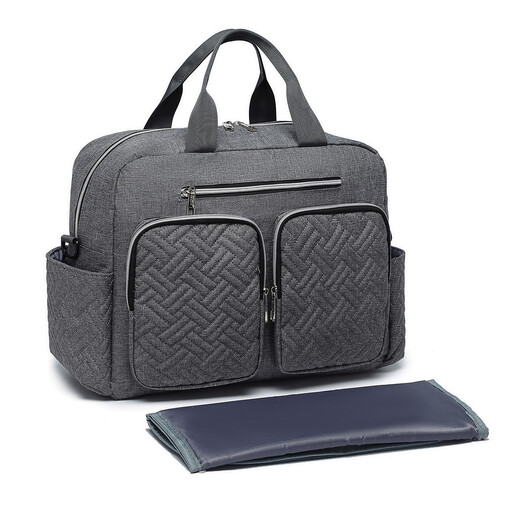
Why this choice suits this profile: This bag includes a portable changing mat, several pockets, bottle compartments and pram hooks. A simple solution for organising those first outings without accumulating extra accessories.
The compartments reduce the risk of mixing clean products with used items, while the water-repellent fabric makes it easier to deal with minor accidents.
Changing mat included, multiple pockets, insulated bottle compartments and pram hooks.
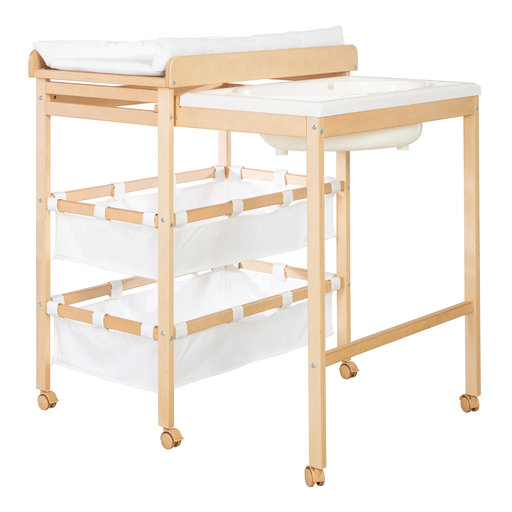
Why this choice suits this profile: This 2-in-1 unit is designed for households looking to combine bathing and nappy changing in one dedicated space, with a stated changing height of approximately 94 cm.
The sliding bath stores beneath the table, so you do not need to install two separate pieces of equipment in a small room.
Phthalate-free waterproof surface, two storage areas, six lockable castors and a maximum load of 11 kg.
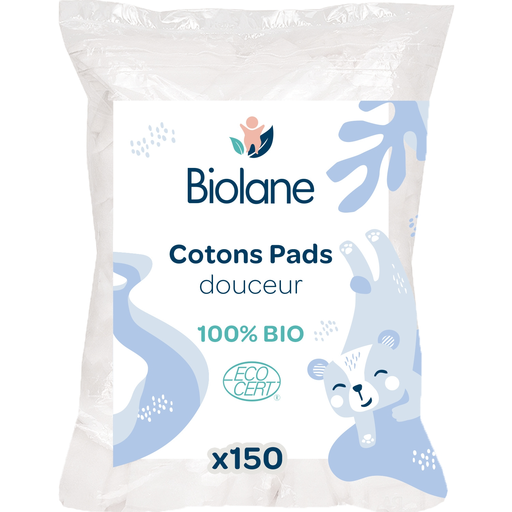
Why this choice suits this profile: With 150 cotton pads, this pack is suitable for frequent nappy changes as well as daily cleaning of the face, body or bottom.
The cotton is described as durable and absorbent, helping to reduce the inconvenience caused by fibres fraying during use.
GOTS-certified organic cotton by ECOCERT, not bleached with chlorine and made in France according to the manufacturer’s information.
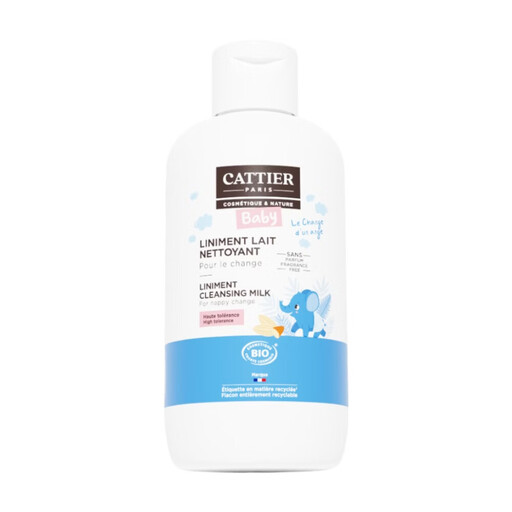
Why this choice suits this profile: At 200 ml, this bottle slips easily into a changing bag for a weekend away, a visit to family or an everyday outing.
Its compact size means you do not have to carry a large bottle when only a few nappy changes are planned.
200 ml capacity, creamy texture and COSMOS Organic certification indicated by the manufacturer.
We have put together a complete, real-time updated list of products that meet these strict selection criteria and European safety requirements.
At home, keep nappies, cotton pads, cleansing lotion and spare clothes within easy reach, but out of your child’s direct reach. Prepare everything you need before placing your baby down. When you are going out, effective organisation may include:
Close care products after every use and store them according to the manufacturer’s instructions. If redness, irritation or an unusual reaction occurs, stop using the product concerned and seek advice from a healthcare professional.
It depends entirely on the maximum load and the manufacturer’s instructions. The models featured here are stated to be suitable up to approximately 11 kg, or around 12 months depending on the child’s development. Safety must remain the priority: stop using the table when your baby becomes too mobile or exceeds the permitted weight.
The 200 ml size is better suited to travel and occasional use. At home, a 500 ml pump bottle may be more convenient for a fixed changing area and frequent nappy changes. Compare the capacity, dispensing system and shelf life after opening.
Your budget depends on the consumables you use, the number of daily nappy changes and the equipment you choose. Start with the essentials: nappies, cotton pads, cleansing product, cream if needed and a changing mat. You can then add a changing bag or a changing table with bath, depending on your home and your habits.