
Livraison le jour même ou le lendemain

Qualité garantie

Débloquez vos offres de bienvenue: Livraison GRATUITE | Jusqu'à -80 % | 30 jours d'essai gratuits à JoyPlus
Téléchargez l'application
Changing a baby several times a day calls for a well-organised routine, but the shelves are full of products that can be tricky to compare. A nappy billed as ultra-absorbent, a changing bag crammed with compartments or a “natural” cream may not actually suit your habits.
Before buying baby changing products, three common pitfalls keep cropping up:
For baby nappy pants, start by looking at the recommended weight range on the packaging. Then examine the fit: the waistband should stay securely in place without pressing on the tummy, while the leg barriers should sit snugly around the thighs.
Nappy pants are especially handy once your baby starts moving around a lot. They pull on like underwear and have tear-away sides for easy removal. That said, you still need to check the nappy regularly. How often you change depends on your child’s age, diet and comfort.
Claims like “leak protection” are worth taking with a pinch of salt. Look for concrete features — an elasticated waistband or reinforced leg barriers, for example — rather than a general promise of effectiveness. The Pampers product page mentions a 360° waistband, wider barriers and a Stop & Protect back pocket. These details describe the nappy’s design, but they don’t guarantee the same result for every baby.
When it comes to cotton, look for a specific claim such as GOTS-certified organic cotton, rather than a vague reference to natural material. The format matters too: pads that are sturdy enough won’t tear while you’re cleaning.
An organic baby liniment can be a practical way to clean the nappy area and leave a protective film. Check the INCI list, verify the recommended age and follow the manufacturer’s instructions. A nappy cream containing zinc oxide may, depending on its formula, form a physical protective barrier, but you should always use it as directed on the label.
If you notice persistent redness, broken skin or an unusual reaction, stop using the product and seek advice from a healthcare professional. Cosmetics are not a substitute for medical treatment.
A large-capacity changing bag should let you get to its contents quickly, not just offer lots of space. Check the number of pockets, whether there’s an insulated bottle compartment, water resistance and pushchair attachments. A built-in portable changing mat can also save you from carrying an extra item.
For a changing table with bathtub, check the maximum weight, dimensions, wheel locks and the standards stated by the manufacturer. Never leave a child unattended on the changing table or in the bath, even for a few seconds.
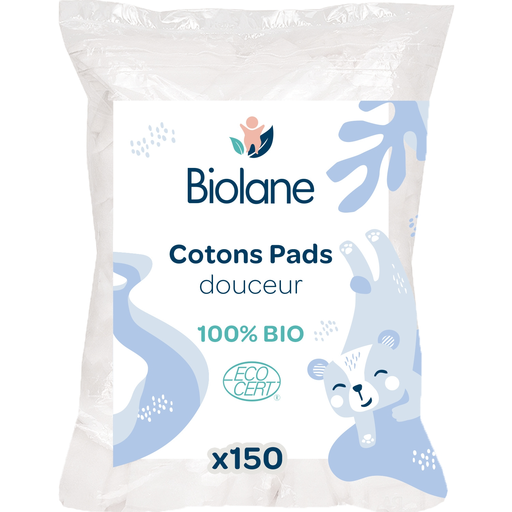
Why this suits this profile: this pack of 150 pads gives you enough to set up a simple changing routine, whether at home or on the go.
The listing mentions GOTS-certified organic cotton, not bleached with chlorine, and a sturdy material that reduces the risk of tearing.
150 pads, usable dry or damp, with manufacturing stated as being in France.
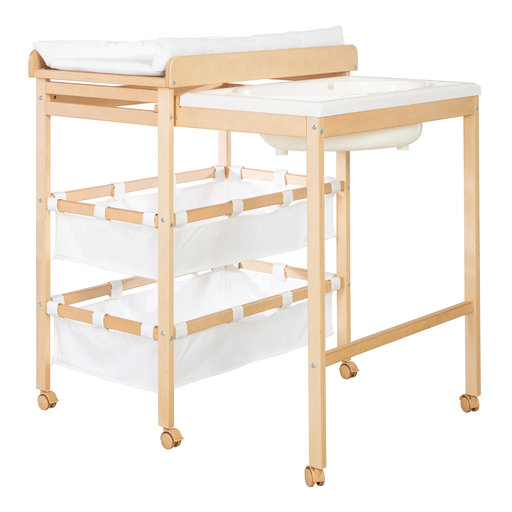
Why this suits this profile: this 2-in-1 piece of furniture is aimed at families who want to combine changing, bathing and storage in a single setup.
The sliding bathtub and six lockable castors make it easier to fit into tight spaces and move around, provided you have a suitable floor.
Changing height approximately 94 cm, two compartments and stated compliance with standard EN 12221-1+2:2008+A1:2013.
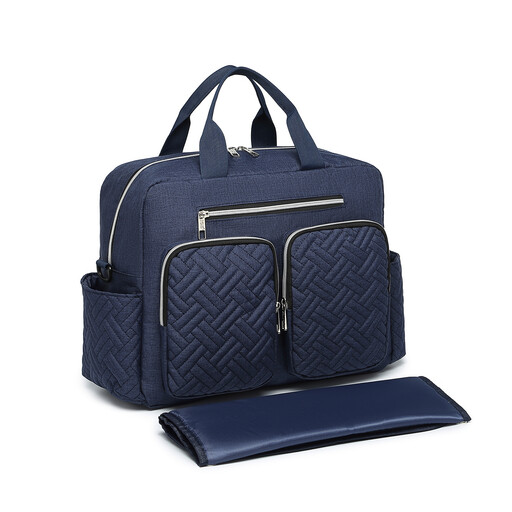
Why this suits this profile: its large size is ideal for long days, car journeys or outings with several children.
The many pockets and water-resistant material let you separate items and handle everyday little mishaps more easily.
Portable changing mat, insulated bottle pockets and pushchair hooks.
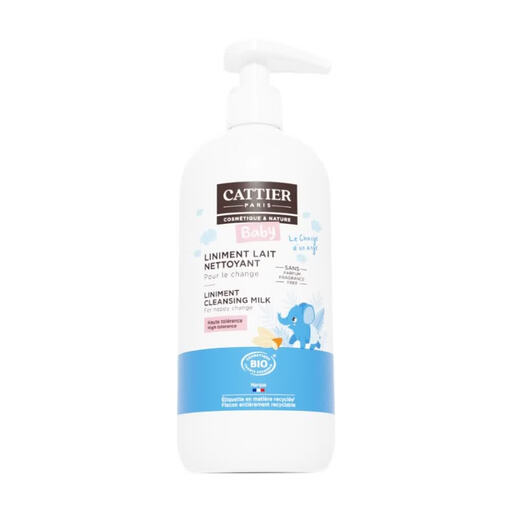
Why this suits this profile: the 500 ml pump bottle makes repeated changes at home simpler and means you won’t need to restock too often.
The detailed ingredients list and COSMOS Organic certification by Ecocert let you verify the claims made on the product.
Pump format, 99% naturally derived ingredients and 42% from organic farming, according to the product page.
We’ve put together a full selection, updated in real time, of products that meet these exacting criteria as well as European safety regulations.
Take several nappies depending on how long you’ll be out, with a bit extra for unexpected changes. Add a bag for waste, cotton pads, a cleaning product, a change of clothes and a portable changing mat. A pocket that’s easy to reach will save you from having to empty the whole bag.
When you make the switch depends mainly on your child’s mobility and build. Once they start rolling over, crawling or pulling themselves up frequently, nappy pants can make dressing easier. Always check the weight range for the size you choose, especially for overnight use.
It all depends on your routine, the instructions on the packaging and how well your child’s skin tolerates products. Cotton can be used with water or a suitable lotion. Liniment should be applied according to its instructions, while nappy cream can be reserved for times when a protective barrier is needed. Wash your hands before and after each change, and keep an eye out for any skin reactions.