
Livraison le jour même ou le lendemain

Qualité garantie

Débloquez vos offres de bienvenue: Livraison GRATUITE | Jusqu'à -80 % | 30 jours d'essai gratuits à JoyPlus
Téléchargez l'application
Having a baby soon leads to a long shopping list: body wash, wipes, cleansing water, cleansing milk, moisturiser, liniment, nappy rash cream and children’s toothpaste. However, filling the bathroom with products is not enough to create a suitable routine.
The Joybuy Product Recommendation Officer’s selection follows one simple rule: separate genuinely useful information from marketing claims that can sometimes be difficult to verify. Here are the criteria to consider before buying, along with a selection designed for different everyday needs.
The term ‘hypoallergenic’ generally means that the formula has been designed to reduce certain risks. However, it does not guarantee that no reaction will occur. A baby may be sensitive to a fragrance, preservative or even an ingredient of plant origin.
For products intended for babies from birth, always check the INCI list, the recommended age on the packaging and the usage precautions. If redness or irritation persists, stop using the product and seek advice from a healthcare professional.
A 500 or 750 ml bottle is practical for baths and care carried out at home. It is much less convenient in a changing bag or when travelling. Smaller formats, on the other hand, are easier to carry, but may cost more to use.
The right compromise therefore depends on how often the product will be used, the space available and the type of care involved. A pump bottle fits easily on a changing table, while a compact pack of wipes can be slipped into a bag without difficulty.
A dried-out wipe loses much of its usefulness. Check that the pack has a resealable flap, close it carefully after every use and keep the pack away from heat. Used wipes should be put in the bin: even when described as biodegradable, they must not be flushed down the toilet.
For the face and body, cleansing water or cleansing milk can be applied with cotton wool, following the manufacturer’s instructions. Liniment is primarily intended for the nappy area, where its oily composition leaves a protective film. However, it does not necessarily replace water-based cleaning in every situation.
For bath time, choose a soap-free baby wash gel with a clearly stated pH and a suitable usage age. Rinse the product when the manufacturer instructs you to do so. Please note: ‘soap-free’ does not automatically mean ‘fragrance-free’. If you want to limit perfuming ingredients, check the composition.
For sensitive baby skin, it is better to rely on the complete composition than on a claim highlighted on the bottle. Labels such as COSMOS Organic, Ecocert, ‘vegan’ or ‘of natural origin’ meet specific criteria, but none of them alone guarantees universal tolerance.
For example, several organic products featured here state the percentage of ingredients of natural origin, along with COSMOS Organic certification awarded by Ecocert Greenlife. Reading the INCI list remains essential. When recommended by the manufacturer, also test the product on a small area before first use.
Children’s toothpaste should be chosen according to the stated age and used under adult supervision. The products featured have different fluoride levels: Colgate Kids is advertised as fluoride-free for ages 0 to 2, Jordan Kids contains 500 ppm fluoride for ages 0 to 5, with an age-appropriate amount, while Sensodyne Children’s states 1,000 ppm for ages 2 to 6.
Follow the product labelling and the recommendations of your dentist or doctor. An amount equivalent to a grain of rice or a small pea should not be replaced with an ‘approximately right’ quantity.
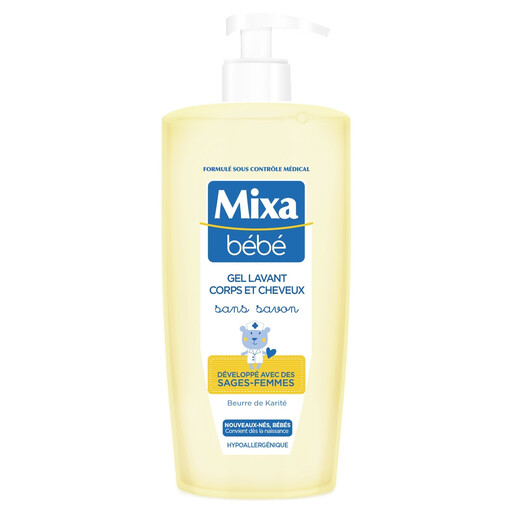
Why this choice suits this profile : This large bottle is ideal for regular baths at home and lets you wash your baby’s body and hair with a single product, from birth.
Its soap-free formula and family-sized format mean you do not need to accumulate several bottles. The instructions also remind you to rinse after application.
750 ml, suitable for the body and hair, neutral pH and shea butter, according to the product details.
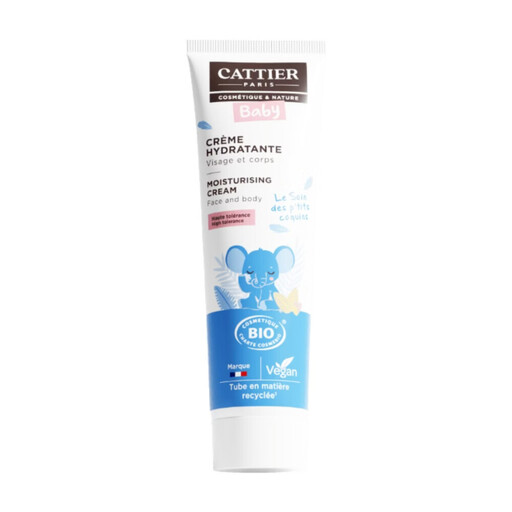
Why this choice suits this profile : This Cattier cream is aimed at parents looking for a certified organic formula for the face and body, in a compact format.
The certification and stated percentages are clearly detailed. This lets you compare based on tangible information rather than relying solely on the word ‘organic’.
99 % ingredients of natural origin, 60 % from organic farming, vegan formula and COSMOS Organic certification stated.
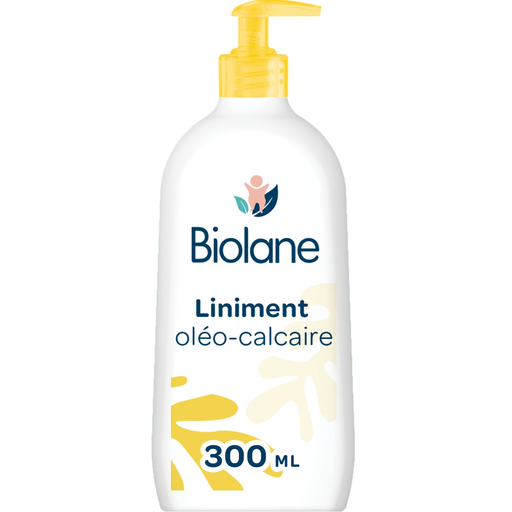
Why this choice suits this profile : Liniment is particularly convenient for frequent nappy changes, helping to clean the nappy area while leaving a protective film, without rinsing.
Its use is clearly limited to the nappy area. The product details also state that the bottle should be shaken before use: two useful everyday instructions.
300 ml, olive oil, 99 % ingredients of natural origin and manufactured in France, as stated.
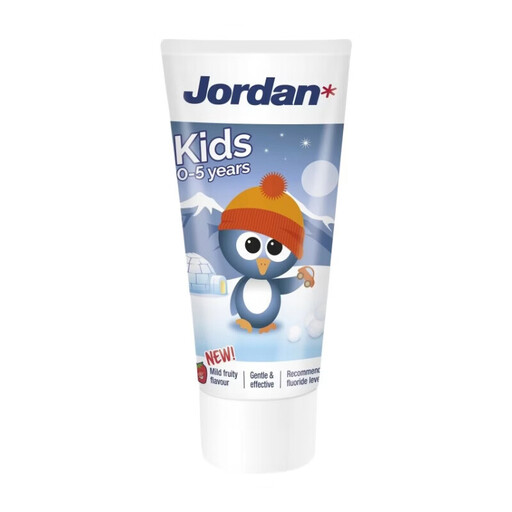
Why this choice suits this profile : Its stated fluoride level of 500 ppm and age-specific quantity guidance make it easier to establish a well-supervised routine.
The age range, recommended amount and need for supervision are clearly stated. This means you cannot choose the toothpaste solely for its flavour.
50 ml format, SLS-free formula as stated, mild raspberry flavour and use under adult supervision.
We have put together a complete, real-time updated list of products that meet these strict selection criteria and European safety regulations.
To get started, a baby wash gel, a no-rinse cleanser or cotton wool, a moisturiser if the skin appears dry, and a nappy-area product may be enough. Baby wipes are mainly useful when you are out and about.
Liniment, nappy rash cream and cleansing water do not serve the same purpose. Avoid applying several fragranced products to the same area. Close bottles carefully and follow the storage conditions and period of durability stated on the packaging.
The routine can remain very simple: a suitable cleanser, cotton wool or wipes for when you are out, a nappy-area product and a moisturiser if needed. Children’s toothpaste comes into play when the first teeth appear, using the quantity and fluoride level appropriate for the child’s age.
They can be used to clean the face, hands or body from time to time, according to their intended use. However, they do not systematically replace a bath or careful cleaning of the skin folds. If your baby has sensitive skin, monitor their reaction and reduce the use of fragranced products if necessary.
It depends on the formula and the symbol on the packaging indicating the period after opening. Make a note of the opening date, close the container properly and dispose of the product if its smell, texture or appearance changes.