
Livraison le jour même ou le lendemain

Qualité garantie

Débloquez vos offres de bienvenue: Livraison GRATUITE | Jusqu'à -80 % | 30 jours d'essai gratuits à JoyPlus
Téléchargez l'application
When a baby arrives, a long shopping list quickly follows: hygiene products, skincare, bottles, bathing accessories and carrying solutions. Yet an appealing product page doesn’t always guarantee a wise choice. Baby care products must first and foremost suit the child’s age, the intended use and the precautions stated by the manufacturer.
The words “natural” or “organic” don’t mean you can skip checking the INCI list. Some skin types react to fragranced ingredients, even when the product holds an organic certification. So when choosing organic baby care, always check the stated certification, the ingredients, the area of application and the recommended age.
A patch test on a small area of skin, 24 hours before first use, can help identify any reaction. If redness or irritation occurs, stop using the product and seek advice from a healthcare professional.
A baby carrier marketed as ergonomic may not be suitable for all newborns. You need to check the minimum weight, the position of the hips, head support and the adjustability of the straps. The same goes for a bath seat: suction cups and a non-slip surface never replace constant adult supervision.
A very comprehensive baby care kit may contain accessories that aren’t very useful day-to-day, or that require different precautions. A thermometer, an electric nail file or a nasal aspirator must be used according to their instructions. Simplicity, ease of cleaning and storage can matter more than a long list of features.
Start by checking for “from birth” labelling, as well as the minimum and maximum weight. For bottles, check the teat flow rate, the capacity and compatibility with the sterilisation system you use at home. The bottle should be inspected before every feed, and the teat replaced as soon as any cracks or signs of wear appear.
For accessories, look for concrete details: an “M” position for carrying, adjustable buckles, proper support and no small, detachable parts. The standards and certifications shown should be verifiable on the packaging or in the product documentation.
A baby liniment, a cleansing milk and a nappy cream are not used in the same way. Liniment is generally used to clean the nappy area, while cleansing milk is used for washing the body, following the manufacturer’s instructions. A baby nappy cream can form a protective barrier, but it should not be applied to broken skin without medical advice.
Choose a formula with a clearly stated purpose and an easily accessible ingredient list. Wipes are handy when you’re out and about, but they must be thrown in the bin, never flushed down the toilet, even if they are labelled as biodegradable.
A product that is easy to clean generally fits more easily into your family routine. Wide-neck bottles make filling and washing simpler. Wipes should be kept in a properly sealed pack to retain their moisture. When applying a balm or cream, use clean hands and close the container carefully.
Also think about the cost per use: a large bottle of cleansing milk can be suitable for daily use, while a small tube of nappy cream is more practical in your changing bag.
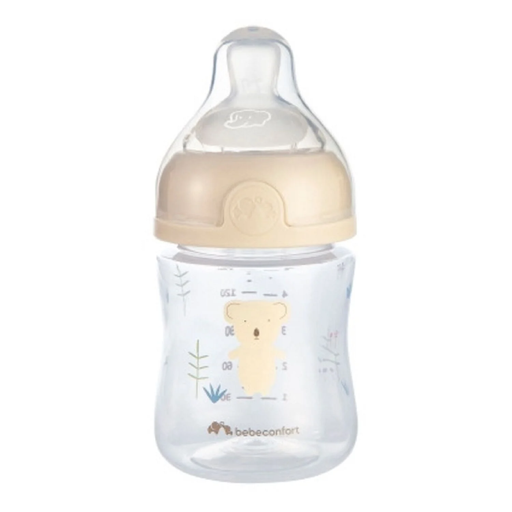
Why this choice suits this profile: With its 150 ml capacity, this bottle is ideal for early feeds. Its screw-top system is simple to fill, take apart and clean.
The capacity and physiological teat are clearly stated, which helps you avoid choosing a volume that is too large for those first bottles.
Wide neck, physiological teat, anti-colic valve and manufacture stated as France on the product page.
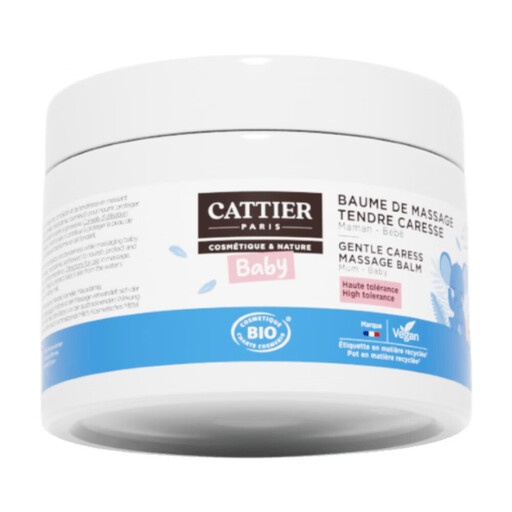
Why this choice suits this profile: This certified organic balm accompanies massage moments and can also be used for parents’ skincare.
The texture, 100 g weight and the four listed plant oils give you a clear idea of its use before purchase.
Creamy balm, sweet almond, camellia, macadamia and sunflower oils, organic certification stated on the product page.
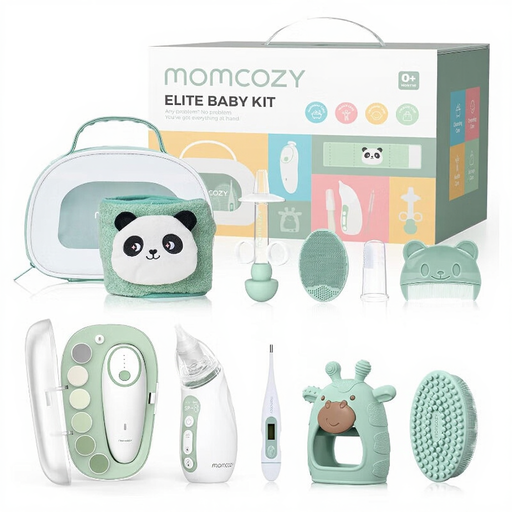
Why this choice suits this profile: This set brings together several care accessories and includes a storage case, handy for families who want to keep all their equipment in one place.
Each accessory has its own instructions: adult supervision, cleaning after use and special precautions for electrical items.
Electric nail file, nasal aspirator, thermometer, heated wrap and storage case included according to the product page.
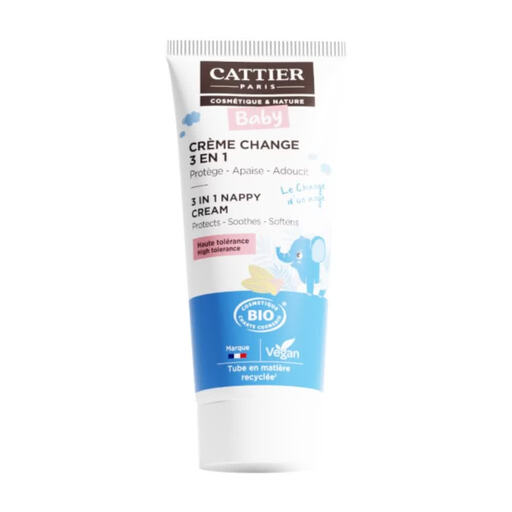
Why this choice suits this profile: Its 75 ml tube slips easily into your changing bag. Its targeted function works well for nappy changes both at home and on the go.
The area of application, external use and precautions are clearly stated: this product should not be applied to damaged skin without medical advice.
Formula stated as COSMOS Organic certified, made from 99% naturally derived ingredients, with zinc and plant oils according to the product page.
We have compiled a complete, real-time updated list of products that fully meet these demanding selection criteria and European safety regulations.
A practical basic set includes a suitable cleansing product, cotton pads or cotton wool, a nappy area care product, wipes for sensitive baby skin when you’re out, a soft towel and a few hygiene accessories. A large baby cleansing milk can be used for your daily routine, while a small tube of nappy cream is handy in your changing bag.
Respect the best-before date or the period after opening stated on the packaging. Close bottles and pots after each use, keep them away from heat and watch for any change in smell, texture or colour. For bottles and teats, replace any damaged parts immediately.
An anti-colic system can suit some babies’ feeding habits, but it alone does not guarantee the absence of discomfort. The teat flow rate, the bottle’s angle, how the feed is prepared and your baby’s pace all play a part. Choose a model whose capacity and care instructions match your daily use.