
Livraison le jour même ou le lendemain

Qualité garantie

Débloquez vos offres de bienvenue: Livraison GRATUITE | Jusqu'à -80 % | 30 jours d'essai gratuits à JoyPlus
Téléchargez l'application
Having a baby quickly brings several daily tasks: nappy changing, washing, moisturising, cleaning their face and caring for their nose. With so many promises of gentleness, natural ingredients and suitability for sensitive skin, it is not always easy to distinguish genuinely useful features from marketing claims.
To choose baby care and hygiene products suited to your daily routine in France, start by looking at the ingredients, format, recommended age and usage precautions. A formula labelled natural or hypoallergenic will not necessarily suit every child.
A formula made with 99 % naturally derived ingredients may also contain fragrance or preservatives. Likewise, a certified organic product complies with precise specifications, but this does not guarantee the same level of tolerance for every baby.
For sensitive baby skin, check the full INCI list, look for any fragrance and confirm the recommended age. When using the product for the first time, apply a small amount to a limited area and monitor the skin’s reaction.
Baby cleansing liniment is mainly used to clean the nappy area and generally leaves a protective film. Baby cleansing water is more suitable for the face, hands or body, applied with cotton wool. Moisturising cream serves a different purpose and does not replace a nappy-care product.
Distinguishing between these uses helps you avoid unnecessary purchases and reduces the risk of applying a formula that is unsuitable for a particular area.
At home, a large 500 or 750 ml pump bottle can reduce the cost per use. In a changing bag, a small tube or single-dose containers will generally be more practical. Wipes and cotton wool should be properly resealed or stored in a dry place to preserve their properties.
Single-dose baby physiological saline solution containers, for example, are intended for one-time use: an opened dose should not be kept for later.
Read the ingredients list rather than relying solely on the claims highlighted on the label. For organic baby products, look for clearly identified certification, such as COSMOS Organic by Ecocert Greenlife or GOTS for cotton. These labels do not cover the same elements: the former applies to a cosmetic formula, while the latter applies to a textile fibre.
Claims such as “alcohol-free”, “paraben-free” or “fragrance-free” should be considered in context. They describe one specific aspect of the formula, but do not provide an overall guarantee of suitability.
For baby products suitable from birth, make sure the recommended age is clearly stated on the packaging or product page. A product intended for the nappy area should not be applied to the eyes, mucous membranes or damaged skin unless this use is explicitly specified.
For baby washing, cleansing milk or cleansing water is generally applied with cotton wool. Whether rinsing is required depends on the formula. During nappy changes, liniment is most often used without rinsing, but the manufacturer’s instructions should always take priority.
Assess your needs before filling your basket :
Wipes have the advantage of being ready to use straight away, but cotton wool used with a lotion allows you to control the amount applied more precisely. In all cases, do not flush wipes or cotton wool down the toilet.
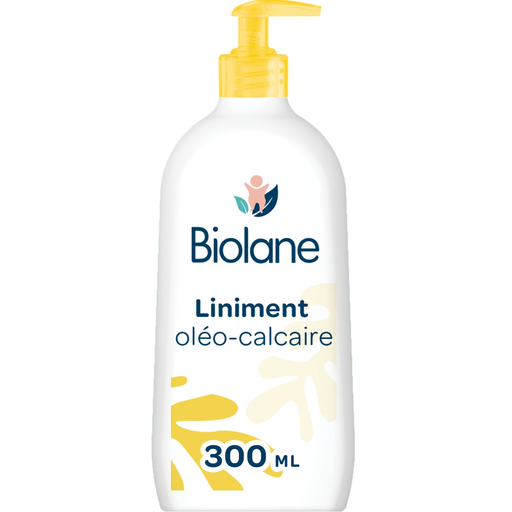
Why this choice suits this profile : its 300 ml format is enough to start a nappy-care routine without building up a collection of products.
The product page states that the product is used without rinsing on the nappy area and contains 99 % naturally derived ingredients. The ingredients should nevertheless be checked on the packaging.
The presence of olive oil, stated French manufacture and suitability for use at every nappy change, in accordance with the instructions.
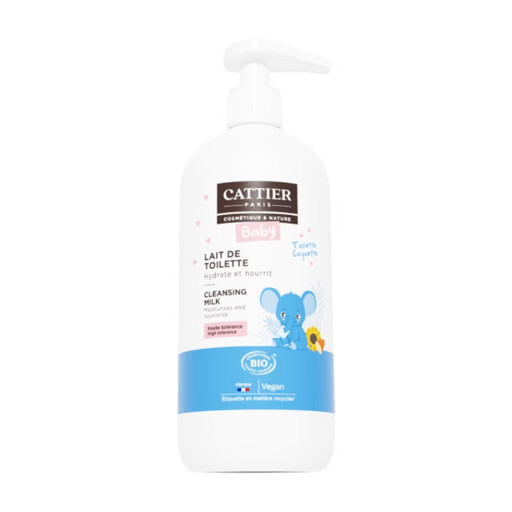
Why this choice suits this profile : its 500 ml pump bottle and cosmetic certification are aimed at parents who care about both the ingredients and ease of use.
COSMOS Organic certification by Ecocert Greenlife is clearly stated, and the product page provides access to the INCI list.
99 % naturally derived ingredients, 22 % from organic farming and a stated lightweight texture.
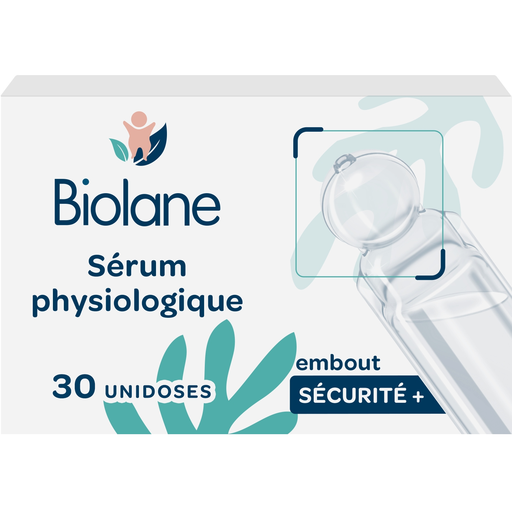
Why this choice suits this profile : its 30 single-dose containers of 5 ml are easy to keep at home, take on holiday or store in a changing bag.
The doses are described as sterile, preservative-free and for single use. The same single-dose container should not be used for both the eyes and the nose.
A 0.9 % sodium chloride solution, a safety tip and an individual format that are all clearly detailed.
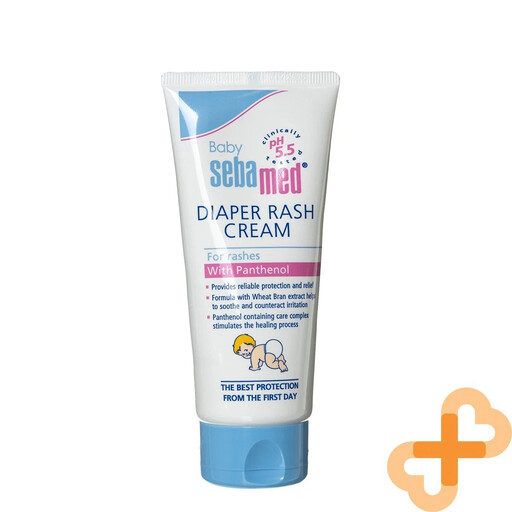
Why this choice suits this profile : its 100 ml tube is ideal for parents who want to keep nappy rash cream close at hand as part of their changing routine.
The product page explains the role of titanium dioxide in the protective barrier and states that the cream should only be applied to the nappy area.
A formula with a stated pH of 5.5, with panthenol and allantoin listed among the ingredients.
We have brought together a comprehensive selection, updated in real time, of products that meet these exacting criteria and European safety requirements.
A simple routine can consist of a washing product, cotton wool, a nappy-care product and a hygiene solution for occasional use. Baby wipes are convenient when you are out and about, but choose a resealable pack and dispose of them in a bin. To moisturise the skin, baby moisturising cream or body lotion can be reserved for dry areas, in line with the manufacturer’s instructions.
Oral hygiene starts with a suitable toothbrush. When it comes to toothpaste, follow the recommended age, advised amount and stated fluoride content. Jordan Kids toothpaste, for example, states that it contains 500 ppm fluoride and recommends an amount equivalent to a grain of rice before the age of 3. The Colgate product included in the selection, on the other hand, is fluoride-free and intended for children aged 0 to 2 years : compare the instructions carefully rather than focusing solely on the flavour.
A basic kit may include cotton wool, cleansing water or cleansing milk, a nappy-care product and single-dose physiological saline solution. Only add moisturising cream if your baby’s skin needs it. Always check the recommended age and application areas.
The liniments featured here are described as no-rinse products, but this instruction may vary from one product to another. Apply a reasonable amount to clean cotton wool and follow the instructions on the packaging.
Check the best-before date or period after opening stated on the product. Close bottles carefully, store them away from heat and light, and discard any formula whose smell, texture or appearance has changed. If irritation persists, seek advice from a healthcare professional.