
Livraison le jour même ou le lendemain

Qualité garantie

Débloquez vos offres de bienvenue: Livraison GRATUITE | Jusqu'à -80 % | 30 jours d'essai gratuits à JoyPlus
Téléchargez l'application
Ensuring impeccable hygiene for your baby's bottles is a top priority for every parent. Cleaning a bottle after each feeding is essential, but it can quickly become a headache when dealing with stubborn milk residue and hard-to-reach corners. A simple rinse isn't enough, and the wrong brush can not only leave bacteria behind but also scratch the plastic, creating breeding grounds for germs.
This guide is here to help you choose the ideal baby bottle brush. Our mission: to provide you with clear, objective insights to find an effective, safe, and durable cleaning tool that will simplify your life, free of marketing jargon.
Before diving into our selection, let's review the key criteria for making an informed choice.
The choice of material is crucial for both hygiene and the brush's lifespan.
A baby bottle isn't just the bottle itself. The nipple, collar, and anti-colic systems all require meticulous cleaning. A complete bottle cleaning set is therefore often the wisest choice. It should ideally include:
Think long-term! A good brush won't just be useful for the first few months. A quality model can later be used as a water bottle brush, a flask brush, or to clean carafes and other narrow-necked containers. A versatile design ensures a worthwhile purchase.
Here are models that stand out from the crowd for their design, materials, and practicality, meeting the needs of every family.
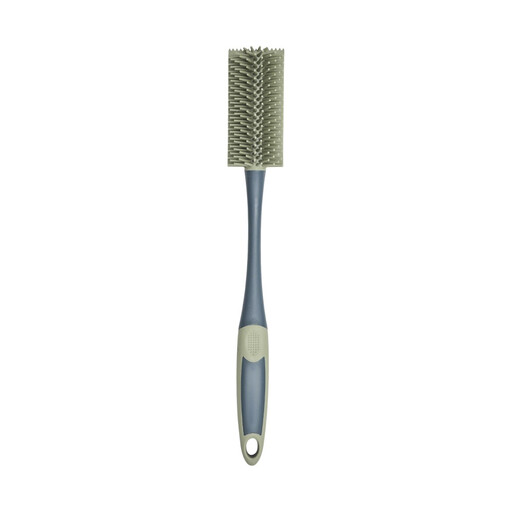
Why It Stands Out
This model focuses on simplicity and efficiency. Made entirely of durable silicone, this brush is the ultimate reliable and hygienic tool. Its flexibility allows it to effortlessly reach the bottom and sides of any container, even those with narrow necks. Meanwhile, its soft bristles ensure a deep clean without any risk of scratching.
Advantages
Who It's For
Ideal for parents and users looking for a simple, sturdy, and versatile bottle brush. It's the perfect choice for those who prefer a single, durable tool capable of cleaning baby bottles as well as other household containers.
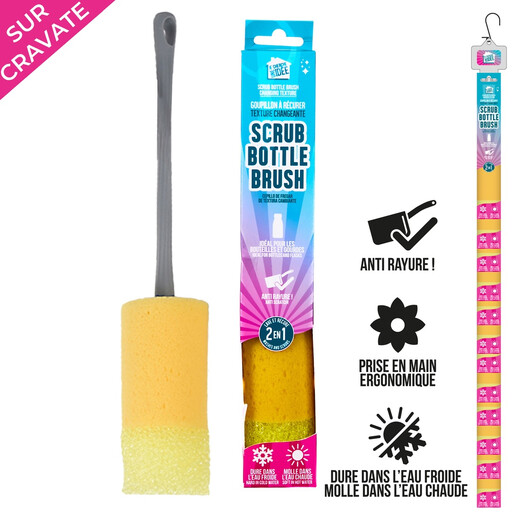
Why It Stands Out
This brush features a clever innovation: its foam head changes texture depending on the water temperature. In cold water, it becomes firm for powerful scrubbing of dried-on residue. In hot water, it softens for a gentle, everyday wash. Its long handle is designed to reach the bottom of tall bottles and flasks.
Advantages
Who It's For
For those who juggle a wide variety of containers, from baby bottles to sports flasks and thermoses. Its dual-action capability makes it a formidable ally for tackling both tough messes and routine maintenance cleaning.
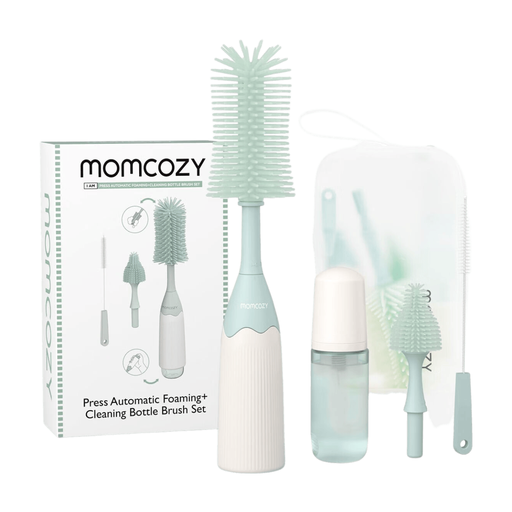
Why It Stands Out
This bottle cleaning set is the all-in-one solution designed for modern parents. Its key innovation? A press-action system that generates a dense foam to maximise the soap's effectiveness. Made from food-grade silicone and BPA-free plastic, it includes all the essential accessories for a complete clean, all neatly stored in a convenient travel case.
Advantages
Who It's For
For new parents looking for a complete, hygienic, and ready-to-use solution. Its portable format and clever design make it a top choice, whether at home or on the go.
If these products don't quite meet your needs, or if you want to explore a wider range of practical accessories for the kitchen and your baby's daily routine, feel free to browse our catalogue.
? Discover our collection in the Funny Mugs category
The silicone bottle brush is generally the most recommended option for baby bottles. Its non-porous material dries quickly and limits the growth of bacteria, while its soft bristles won't scratch plastic. Nylon, which is more abrasive, is effective on dried residue but wears out faster and can become a breeding ground for germs if it stays damp. For safety and longevity, silicone is the clear winner.
As a precaution, it's recommended to replace it every 1 to 3 months, depending on how often you use it. A regular check is essential: if the bristles are flattened, discoloured, or if an odour develops, it's definitely time for a new one.
After each bottle washing, rinse the brush thoroughly with hot water to remove any milk or soap residue. Once a week, give it a deep clean with dish soap and very hot water. Drying is crucial: always let it air dry, either upright or hanging, so water doesn't pool at the base. Some silicone models are dishwasher-safe or can be sterilised; be sure to check the manufacturer's instructions.