
Livraison le jour même ou le lendemain

Qualité garantie

Débloquez vos offres de bienvenue: Livraison GRATUITE | Jusqu'à -80 % | 30 jours d'essai gratuits à JoyPlus
Téléchargez l'application
As a professional mechanic or expert DIYer, you know it well: modern vehicles are essentially computers on wheels. A single check engine light can hide a myriad of issues, and without the right tool, diagnosis quickly turns into a costly headache. The diagnostic scanner market is flooded with promises, but how do you distinguish a worthwhile investment from a gadget that will just gather dust in a few months?
Choosing a professional automotive diagnostic tool isn't just about ticking boxes on a spec sheet. Too many buyers fall into the classic traps: hidden subscriptions that cripple the device after a year, or "multi-brand" compatibility that proves very limited on recent models. One of the worst pitfalls? Investing in a device unable to handle new communication protocols, rendering it obsolete for cars that have rolled off the factory line in the last two years.
To avoid unpleasant surprises and make an informed choice, here are the key points that determine the true value of a diagnostic scanner.
Vehicles produced after 2020, especially from manufacturers like General Motors, BMW, Jaguar, or Land Rover, use new communication protocols to manage the growing volume of electronic data.
A diagnostic scanner compatible with CAN FD and DOIP is no longer an option for a future-proof workshop; it's an essential prerequisite to stay competitive.
Advanced functions are what separate a simple code reader from a true professional tool.
A multi-brand OBD2 scanner must offer coverage that is both broad and deep. Don't just look at the number of compatible brands; check the depth of the all-system diagnostics for each one. The update policy is just as crucial: how long are they free? Does the tool lock up if you don't renew the subscription? A model with clear terms will save you a lot of headaches.
Rather than presenting an impersonal list, here is a selection of tools tailored to specific needs, keeping the common pitfalls in mind.
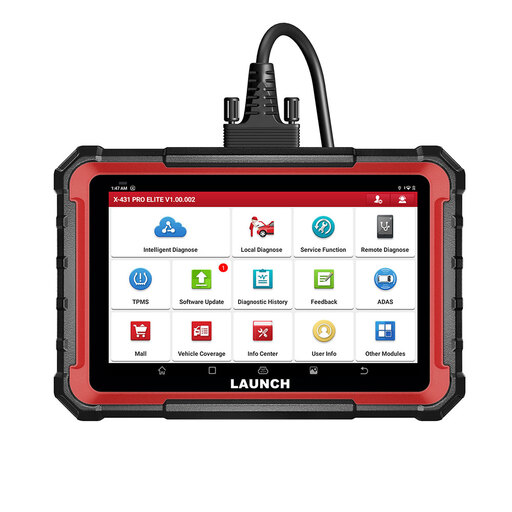
Why this tool fits the profile: Designed for workshops that demand OE-level diagnostics, comprehensive all-system coverage, and future-proof protocols to handle a varied and modern vehicle fleet.
It natively integrates CAN FD and DOIP protocols, making it future-proof against obsolescence. Its 2-year free update policy is crystal clear, and the tool remains 100% functional after this period, with no lockouts.
Offers true ECU coding and extensive bi-directional tests. Compatible with add-on modules (ADAS calibration, TPMS programming, etc.) to expand its capabilities.
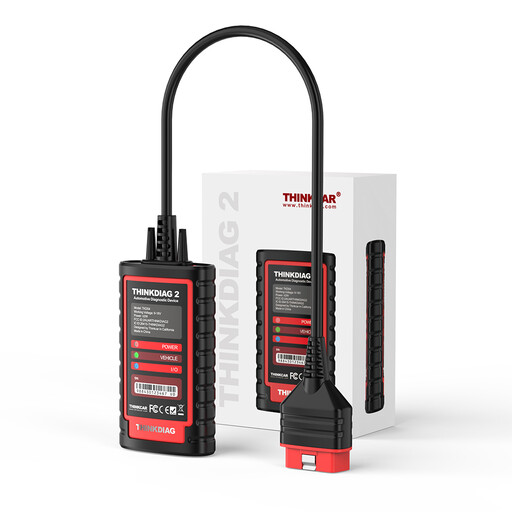
Why this tool fits the profile: Ideal for savvy DIYers or mobile technicians who need powerful diagnostic functions in a compact and affordable format. The Bluetooth connection to a smartphone offers unparalleled flexibility.
It supports the CAN FD protocol, ensuring compatibility with recent vehicles. Its subscription model (1 year free) is transparent and avoids financial surprises.
Extreme portability thanks to the Bluetooth connection. It offers advanced functions like ECU coding and active tests via a mobile app, striking the ideal balance between power and price.
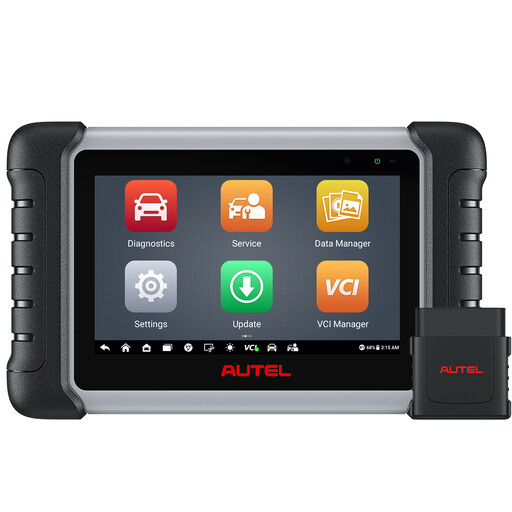
Why this tool fits the profile: For independent garages seeking a robust, all-in-one tablet with a top brand's reputation and a full suite of service functions, all without breaking the bank.
It offers true bi-directional control and over 38 maintenance services (oil reset, EPB, etc.), avoiding the trap of tools that are "professional" in name only. The one-year update policy is clearly stated.
The perfect middle ground between advanced features (active tests), the reputation of the Autel brand, and the convenience of wireless (Bluetooth) operation. Supports FCA AutoAuth for recent Fiat/Chrysler group vehicles.
A good diagnosis is essential, but so is routine maintenance. We have selected a full range of products for you that meet our strictest selection criteria.
ECU coding involves modifying pre-existing parameters in a control module to adjust its behaviour (e.g., deactivating the Start/Stop system, changing the sensitivity of light sensors). ECU programming, on the other hand, involves completely rewriting a module's software. This is a much more complex and risky operation, essential when replacing a faulty ECU and often reserved for high-end tools.
Yes, absolutely. According to the manufacturer, the tool and all its features remain fully operational even after the 2 years of free updates end. You will simply no longer receive new software features or compatibility with future vehicles unless you renew the subscription. Rest assured: the device will not be locked.
An internet connection is essential for the very first activation, for downloading each brand's software, and for performing updates. Some advanced functions, like online coding, also require an active connection. However, for everyday diagnostics (reading and clearing fault codes, viewing live data), you won't need to be connected once the software is installed on your device.