
Livraison le jour même ou le lendemain

Qualité garantie

Débloquez vos offres de bienvenue: Livraison GRATUITE | Jusqu'à -80 % | 30 jours d'essai gratuits à JoyPlus
Téléchargez l'application
When you have a pet, their well-being is a top priority. The automatic pet feeder emerges as the ideal solution for ensuring they get their meals at scheduled times, whether you're at the office or away for the weekend. But be warned?: the market is flooded with models that make tempting promises, often hiding deal-breaking flaws.
Before you make a decision, it's best to know the common pitfalls so you don't regret your purchase.
Identifying these pitfalls is the first step toward making an informed choice. This will help you find a device that will serve your pet reliably for years to come.
To choose the right cat or dog food dispenser, you need to look beyond the marketing claims and focus on specific technical details. Here are the three non-negotiable aspects to scrutinise.
The hopper's capacity, measured in litres or kilograms, should be appropriate for your pet's size and the length of your absences. A large dog will obviously have different needs than a kitten.
Programming is the device's brain. Entry-level models simply offer fixed schedules, whereas a smart feeder worthy of the name provides complete control via an app?: remote portion adjustments, meal history, problem alerts, and more.
Finally, the dispensing mechanism must be foolproof. Prioritise anti-jam systems, often equipped with a flexible silicone impeller, which ensure a smooth flow of kibble (provided it's the right size), meal after meal.
The bowl is just as important as the dispenser itself. Opt for food-grade materials known for their hygiene and durability?:
A fully detachable design is a major plus. Being able to clean every part that comes into contact with food (hopper, chute, bowl) is the only way to guarantee impeccable hygiene.
Some options that might seem like gimmicks can quickly prove to be essential for daily use.
Because every pet (and every owner) is unique, here is a selection of reliable and practical products suited to different needs.
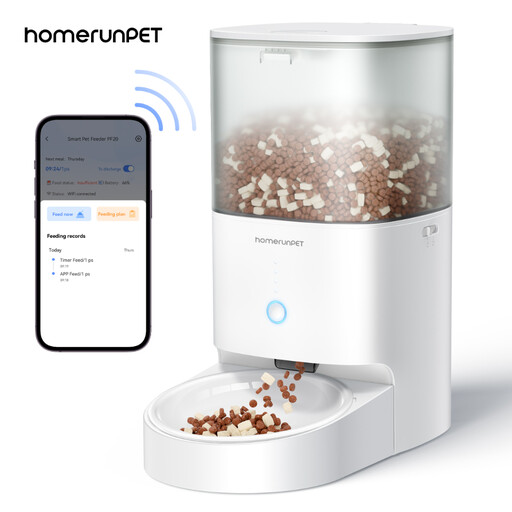
Why it stands out : Perfect for those who want maximum peace of mind during their absences. The extra-long battery life (up to 6 months advertised) ensures continuous service even during a power outage, and the app lets you manage everything remotely.
The device is fully detachable for deep cleaning, eliminating health risks. The food-grade ceramic bowl helps prevent skin allergies.
Dual power supply (mains and long-life battery) and an anti-jam design for rock-solid reliability.
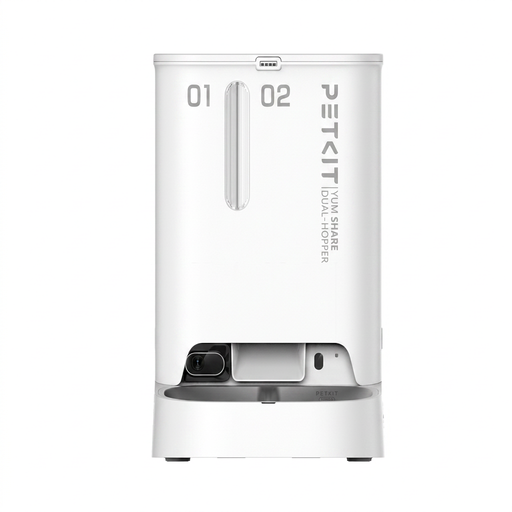
Why it stands out : For owners who want the best in class for remote monitoring. The 1080p camera, two-way audio, and especially the dual hopper (for mixing two types of kibble) make it a comprehensive feeding control centre.
PETKIT benefits from a mature and well-supported app ecosystem, minimising the risk of faulty connectivity. The stainless steel bowl and sealed compartments ensure hygiene and freshness.
The dual hopper allows for a varied diet or the management of specific feeding plans. According to the manufacturer, its AI-powered bowl detection helps prevent overfeeding.
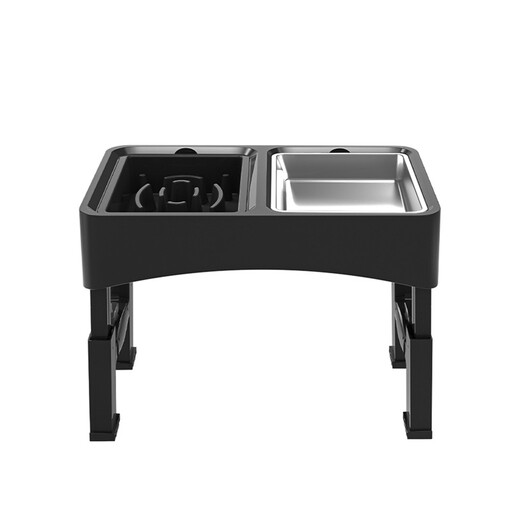
Why it stands out : No electronics here, just a clever solution for pets who devour their meals. The adjustable height improves posture during feeding, a real bonus for large dogs or senior pets.
Being purely mechanical, this model completely avoids the connectivity pitfall. The combination of a slow-feeder design and a stainless steel bowl checks all the boxes for hygiene and health.
Four adjustable height levels to adapt to a growing pet and a foldable structure for easy storage.
Explore our full selection of tested and approved feeders that meet our strict criteria for reliability and safety.
Yes, the risk of jamming exists, especially if the kibble is an unsuitable shape or size. To avoid this, choose a model with a flexible dispensing mechanism (like a silicone impeller) and strictly adhere to the kibble size recommended by the manufacturer (usually between 5 and 15?mm in diameter). Regular cleaning of the mechanism is also essential.
Some initial wariness is normal, especially due to the motor's sound. For a smooth transition, first use the device as a simple bowl. Then, manually trigger the dispenser while you are present, so your pet associates the sound with a reward. They usually adapt within a few days.
Its longevity depends on the quality of its components (motor, materials) and how diligently you maintain it. A good model, cleaned regularly, can work without issues for several years. The weak points to watch for are the motor and the build-up of grime in the mechanisms. Choosing a device with replaceable parts is a winning bet for the long term.