
Livraison le jour même ou le lendemain

Qualité garantie

Débloquez vos offres de bienvenue: Livraison GRATUITE | Jusqu'à -80 % | 30 jours d'essai gratuits à JoyPlus
Téléchargez l'application
Camping has changed a lot. Gone are the days when pitching a tent was an ordeal, with its different coloured poles and unreadable instructions. The promise of an automatic camping tent is tempting: a shelter ready in minutes, or even seconds. But be warned, behind this apparent ease lie pitfalls that can turn a relaxing weekend into a total disaster.
For families with children or casual weekend campers, simplicity is king. But beware of marketing claims that sound too good to be true. Before you take the plunge, let's review the most common traps to help you make an informed decision.
pop-up models, unfold in the blink of an eye. The problems start when it's time to pack up. Folding the tent can turn into a real puzzle, requiring strength and a complex technique, a far cry from the simplicity promised.To avoid these disappointments, it's best to focus on a few objective technical specifications. They are the true measure of your future tent's quality and practicality.
A tent's waterproofness is measured in millimetres Schmerber (or PU for Polyurethane). This rating represents the column of water the fabric can withstand before water penetrates it.
For a family camping tent, also check that the seams are properly sealed with heat-taped strips. This is the classic weak point where water seeps in first.
For restful nights and shady naps, blackout technology is a game-changer. A blackout camping tent worthy of the name is designed with special fabrics that block up to 99% of outside light. Not only will you sleep later in the morning, but you'll also keep the interior cooler during the day.
Ideally, this technology is paired with good sun protection. A UPF50+ certification means the fabric blocks at least 98% of ultraviolet rays. This is an essential safety guarantee, especially if you're camping with children. A quality UV-protection tent protects both your skin and your gear from sun damage.
The term quick-pitch tent covers two main types:
The ideal tent depends primarily on how you camp. Here is a selection of models that check all the boxes, tailored to specific needs.
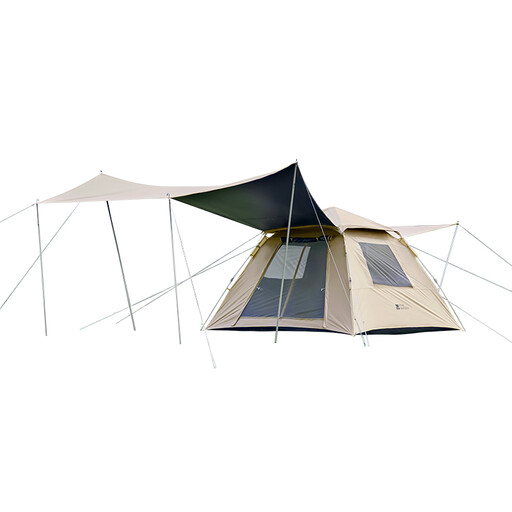
Why this model stands out: Designed to accommodate up to 5 people, it's the perfect choice for a family. Its automatic setup system makes it operational in minutes—a major asset when managing impatient children. It offers excellent comfort for both naps and overnight sleeping.
Its automatic deployment mechanism is much easier to fold back up than a classic pop-up tent. The 6-layer blackout fabric is not just a gimmick: it genuinely blocks light and heat, preventing the "oven" effect in the early morning.
UPF50+ sun protection (blocks ≥99.9% of UV rays) and serious waterproofing (PU2000mm). Large five-sided ventilation with integrated mosquito nets.
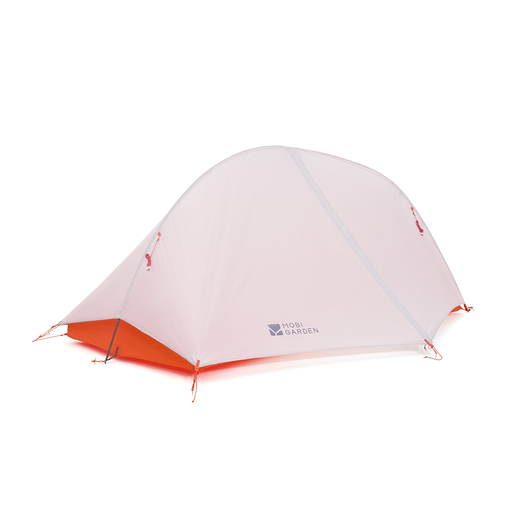
Why this model stands out: For long-distance enthusiasts, weight is the number one enemy. This ultralight model (around 1.18 kg) is built for hikers looking for a reliable shelter without being weighed down. The setup isn't automatic, but it's still simple and quick for experienced users.
It doesn't fall into the "false lightweight" trap. Unlike some tents that sacrifice sturdiness for convenience, this model is optimised for performance. Its PU2000mm waterproof rating is a reliable fact, not an empty promise.
Feather-light weight of around 1.18 kg. Technical materials (20D silicone-coated ripstop nylon) and aluminium alloy poles for an unbeatable strength-to-weight ratio.
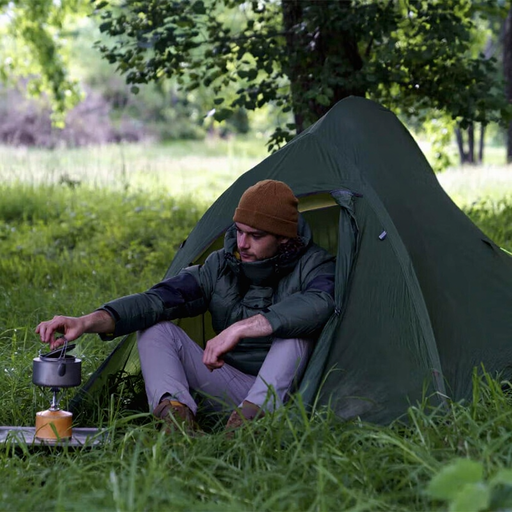
Why this model stands out: This minimalist shelter is a smart choice for the solo camper or festival-goer. Lightweight (around 1.5 kg) and compact, it sets up in a flash and offers serious protection against the elements, a rarity for its size.
It doesn't fall for the flimsy waterproofing trap. With a PU4000mm rating for the flysheet and groundsheet, it offers a much higher level of protection than average, ensuring you stay dry even in a real downpour.
Impressive waterproof rating (PU4000mm). 7001 aluminium alloy poles, which are both lightweight and sturdy, provide excellent wind resistance.
Once you've chosen your tent, good lighting is essential for enjoying your evenings. Discover our selection of equipment that meets the same high standards.
The golden rule: never force it. For an automatic hub-style tent, follow the setup steps in reverse: lower the central mechanism before folding the poles. For a pop-up tent, the technique often involves twisting it into a figure "8" and then folding it onto itself. Our advice: practise once or twice at home, in a calm setting, watching the manufacturer's video if needed. You'll save yourself a meltdown at the campsite.
Yes, and the difference is striking, especially with blackout technology. A simple UV-blocking fabric stops harmful rays, but a blackout fabric, often with a reflective coating, also reflects a large portion of solar radiation. The result: the interior stays much cooler than a standard model in direct sunlight. A real luxury for a nap!
It all depends on three factors: the quality of the materials, how often you use it, and how well you care for it. A tent with quality poles and a well-maintained fabric can last for many seasons of occasional use. To extend its life, always make sure it's completely dry before storing it in a dry place. Clean it with plain water and a soft sponge—and never with detergent, which can damage the waterproof coating.