
Livraison le jour même ou le lendemain

Qualité garantie

Débloquez vos offres de bienvenue: Livraison GRATUITE | Jusqu'à -80 % | 30 jours d'essai gratuits à JoyPlus
Téléchargez l'application
Buying authentic Chinese food products online makes it easy to prepare Beijing noodles, roast duck or slow-cooked dishes without making multiple trips. But between attractive packaging and sales descriptions, it is not always easy to know what you are really buying. A very sweet sauce may be presented as traditional, while a large pack can quickly become awkward if you rarely cook.
Here are the criteria to consider when choosing products suited to your habits, budget and level of experience with Chinese cooking.
A “Peking duck flavour” recipe does not necessarily correspond to a Peking speciality. Some instant noodles recreate the flavours associated with roast duck while remaining convenient products that can be prepared in just a few minutes. They are perfect for a quick meal, but they are no substitute for duck sauce, real wheat noodles or a traditional condiment.
Chinese sauces, fermented pastes and noodles often contain wheat, soya, sesame or peanuts. In France, take the time to check the ingredients list and allergen declaration before placing your order. The salt and sugar content is also worth checking, particularly for Chinese pickled vegetables and ready-to-use sauces.
A 1.8 or 2 kg bag of noodles can be useful for a family, but you need to be able to store it in a dry place, ideally in an airtight container after opening. Conversely, a small jar of condiment helps minimise waste when you are discovering Chinese cooking. For chilled or frozen products, maintaining the cold chain and following the storage instructions matter just as much as the advertised price.
To identify authentic Chinese food products, start by checking the exact ingredients, rather than relying solely on photos of the dish. Beijing noodles may have a very short ingredients list consisting of wheat flour, water and salt. Chinese sesame paste may contain nothing but sesame, too.
The mention “China” provides useful information, but does not by itself guarantee the product’s flavour or quality. Also consider how it is intended to be used: is it ready to eat, does it need cooking, should the sauce be diluted or used sparingly as a condiment?
The labels wheat, gluten, soya, sesame and peanuts should be checked before you confirm your basket. Labels also provide nutritional values per 100 g or 100 ml. This makes it easy to compare two products, particularly their salt content.
Pure sesame paste is naturally high in fat, while Chinese fermented tofu can be particularly salty. These figures do not automatically make a product “good” or “bad”; they mainly help you incorporate it into your meals according to your tastes and needs.
A 220 to 340 g jar is suitable for occasional use or as a daily accompaniment. Large bags of dried noodles are better suited to families and people who cook regularly. Once opened, some products need to be refrigerated and consumed quickly.
Chinese cooking wine is intended for preparing dishes, not for serving as a drink. It is used in marinades, stir-fries and slow-cooked recipes. People who are sensitive to gluten should check for the possible presence of wheat, even when the product is only used in small quantities.

Why this choice suits this profile : This individual portion includes the noodles, sauce and vegetables. An easy way to discover Beijing noodles without buying several separate jars.
The ingredients and allergens are clearly detailed, including the presence of wheat, soya and sesame. The preparation instructions also specify the cooking time.
A 217 g pack with fermented bean sauce, dehydrated vegetables and a preparation method requiring just a few steps.
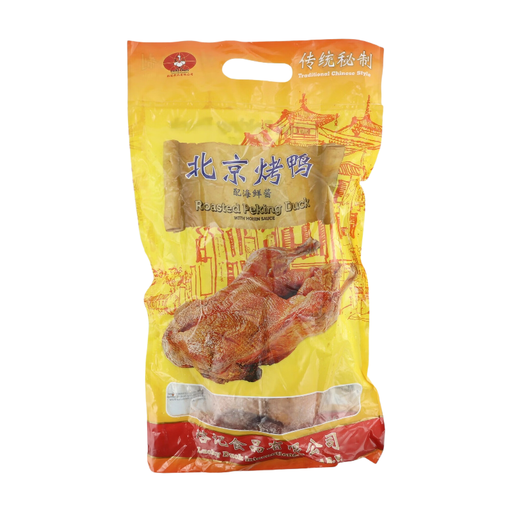
Why this choice suits this profile : Already roasted, this duck is ideal for family meals and occasions when you want to serve a Peking speciality without spending hours in the kitchen.
The net weight of 1.3 kg and storage at −18 °C are clearly indicated. You simply need to allow time for thorough reheating and avoid refreezing the product after defrosting.
Seasoned, partially cooked duck to reheat in the oven, with the presence of soya and wheat clearly stated.
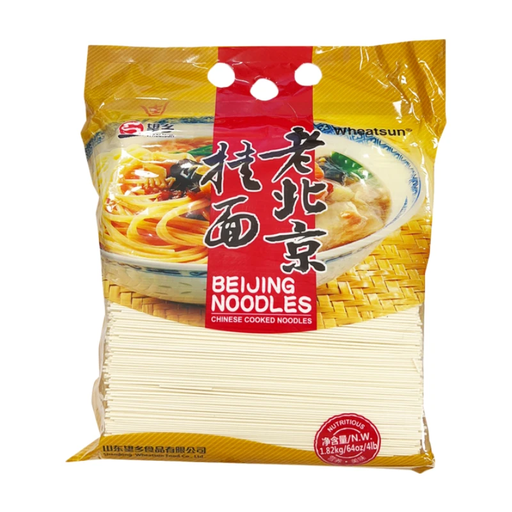
Why this choice suits this profile : This large pack is designed for families and cooks who regularly prepare stir-fried noodles, soups or noodles with sesame paste.
The 1.82 kg weight is visible before purchase and dry storage is specified. This lets you assess the space required and check that your frequency of use justifies this pack size.
86% wheat flour, a firm texture and a cooking time of 3 to 5 minutes, depending on the result you want.
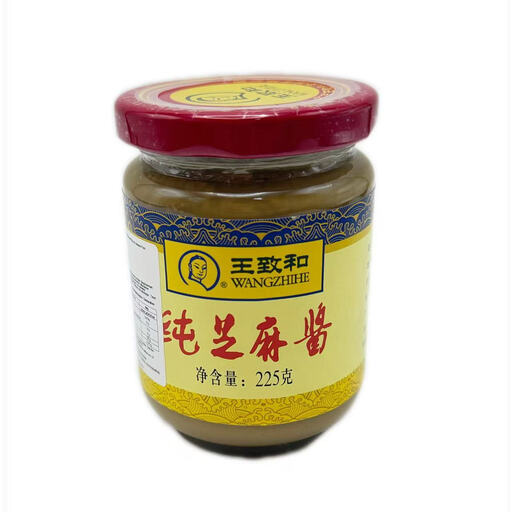
Why this choice suits this profile : Fans of homemade sauces can adjust the texture and seasoning themselves for Chinese hotpots, salads or cold noodles.
The declaration states that it contains 100% sesame. It is therefore not a pre-diluted sauce, but a base to mix according to the recipe.
225 g of pure sesame paste, to be loosened with warm water, soya sauce or vinegar depending on how you plan to use it.
We have put together a complete, real-time updated list of products that meet these demanding selection criteria and European safety regulations.
To create a genuinely practical online Chinese grocery shop, start with a base of Chinese noodles, then add a versatile sauce or condiment. Liu Bi Ju sweet bean sauce is particularly well suited to Peking duck and can also be used as the base for a marinade. Wang Zhi He Chinese cooking wine goes well with meat, fish and stir-fried vegetables.
Chinese pickled vegetables, sweet osmanthus garlic and Chinese fermented tofu are best used as accompaniments or seasonings, in small amounts. Always check the product page for storage conditions after opening, the allergens present and the use-by date shown on the packaging.
Check its origin, ingredients list, stated production method and culinary use. A traditional recipe will not necessarily suit every palate: some sauces are very salty, while others are sweet or strongly fermented.
Before opening, follow the storage temperature and shelf life stated on the packaging. After opening, many condiments need to be refrigerated and consumed quickly. Always use a clean utensil and close the jar securely.
A starter basket could include an individual portion of noodles, a sauce and a pickled accompaniment. For a family, 1.8 to 2 kg bags of noodles can reduce repeat purchases, provided you have enough dry storage space and cook regularly.