
Livraison le jour même ou le lendemain

Qualité garantie

Débloquez vos offres de bienvenue: Livraison GRATUITE | Jusqu'à -80 % | 30 jours d'essai gratuits à JoyPlus
Téléchargez l'application
Quick shaves, hair that grows back in no time, salon sessions that blow the budget, or the discomfort of plucking from the root: an at-home hair removal device can tick several boxes – provided you pick the right technology. Product descriptions often lump together electric epilators, IPL devices and promises of “pain-free” hair removal, even though these terms don’t mean the same thing in terms of use or results.
Before you buy, it’s worth keeping three pitfalls in mind:
An electric epilator typically uses tweezers or a mechanism to grip hairs and remove them from the root. It works well on legs, arms and, depending on the attachments included, certain smaller areas. It won’t stop regrowth, but the results last longer than with a standard razor.
An IPL hair removal device emits flashes of light. This technology targets the melanin in the hair and can gradually slow regrowth. It’s generally not suitable for white, grey, very blonde or very light red hair. Compatibility also depends on your skin tone – some devices aren’t suitable for very dark skin.
For an epilator intended for both body and face, check the following:
A wet & dry waterproof epilator can be used in the shower if the manufacturer allows it. Warm water can make the process more comfortable, but it won’t miraculously turn the device into a pain-free model. The sensation varies depending on the area, hair length and your own sensitivity.
For an IPL device, the cooling system, intensity adjustment, skin tone sensor and safety features that prevent accidental flashes matter more than just the number of flashes quoted.
Before each session, your skin should be clean, dry and free from any irritating products. With an IPL device, do a patch test on a small area before treating the whole surface. Avoid tattoos, dark moles, lesions, sunburn and irritated areas.
IPL devices must not be used near the eyes, on mucous membranes or on certain intimate areas. Pregnant or breastfeeding women, minors and anyone with a skin condition should follow the restrictions in the manual and seek medical advice if in any doubt. If you experience significant pain, blisters or persistent redness, stop using the device immediately.
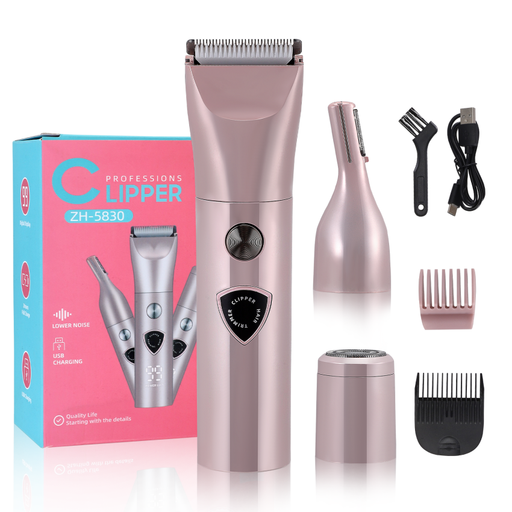
Why this choice suits this profile: this versatile device lets you kit yourself out simply for body, face and eyebrows, without jumping straight to IPL.
The three interchangeable heads reduce the risk of using too large an attachment on a small area. The product description states it can be used wet & dry.
Three attachments and a design intended for body, face and eyebrows.
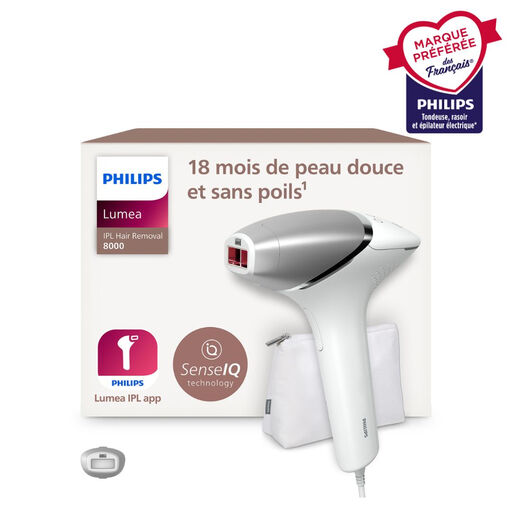
Why this choice suits this profile: its SmartSkin sensor, five intensity levels and companion app are ideal for users who want to plan their at-home sessions.
The sensor recommends a setting based on your skin tone, and the safety system limits accidental flashes. However, you should still check compatibility in the manual.
Five intensity levels, 4.1 cm² body window and mains-powered operation.
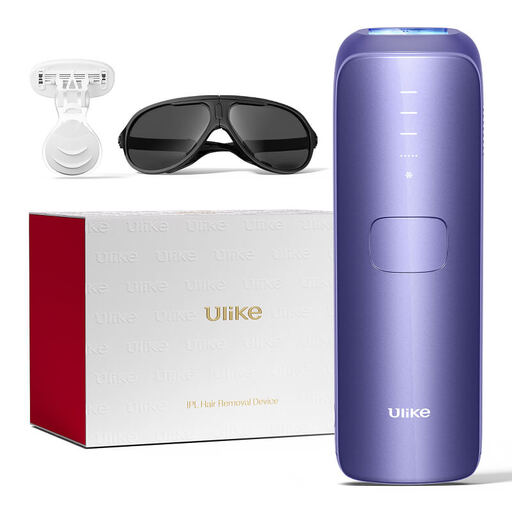
Why this choice suits this profile: its sapphire cooling system and AutoGlide mode can suit people who regularly treat several body areas.
The cooling is designed to improve comfort, but it doesn’t guarantee pain-free hair removal for everyone. A patch test is still essential.
Built-in cooling, three claimed modes and approximately 500,000 flashes according to the product description.
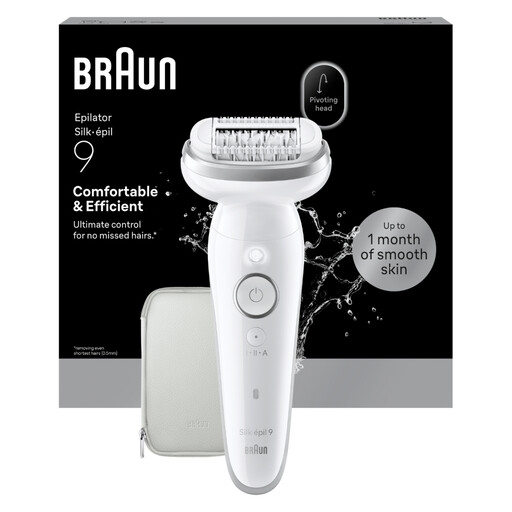
Why this choice suits this profile: its claimed battery life of up to 50 minutes, wide head and underwater use make it ideal for regular body hair removal routines.
The pivoting head follows the body’s contours and the SmartLight helps you spot fine hairs – two useful details to avoid repeated passes.
40 MicroGrip tweezers, a head claimed to be 40% wider and two speed settings.
We’ve put together a comprehensive, real-time selection of products that meet these demanding criteria and European safety requirements.
No. The frequency depends on the model and the recommendations in its manual. Manufacturers often suggest an initial phase with sessions spaced apart, followed by maintenance sessions. Firing multiple flashes on the same area won’t necessarily speed up results and could increase the risk of irritation.
With a rechargeable electric epilator, the cost is mainly limited to buying the device and a modest amount of electricity. For an IPL device, you also need to factor in the claimed lifespan of the lamp, any replacement accessories and the time spent on sessions. The cost per use therefore depends on how often you actually use it and how long you keep the device.
The technology isn’t necessarily different. Your choice should mainly take into account the density and length of the hair, the area to be treated, your skin tone, hair colour and the level of comfort you’re after. The same device can suit several adults as long as its usage instructions and restrictions match their situation.