
Livraison le jour même ou le lendemain

Qualité garantie

Débloquez vos offres de bienvenue: Livraison GRATUITE | Jusqu'à -80 % | 30 jours d'essai gratuits à JoyPlus
Téléchargez l'application
Whether you're after a fresh new look, covering your first grays, or simply reviving a dull color, at-home hair color is a convenient and cost-effective solution. Yet, faced with shelves overloaded with promises, it's easy to feel lost and walk away disappointed. A product that doesn't cover, a color that turns into a nightmare, or an application process that feels like an obstacle course—mishaps are common.
Here at the editorial desk, our mission is to help you cut through the noise. Let's forget the marketing jargon and focus on the essentials to make your next at-home coloring session a success. Here are the most common pitfalls and, more importantly, how to avoid them.
To get it right, keep three criteria in mind before you check out.
The choice depends on your desired result and your long-term commitment to the change.
Ammonia is an alkaline agent that opens the hair's cuticles to allow pigments to penetrate. This is what makes permanent color so effective, especially for lightening. The flip side: its strong odor can be unpleasant and may irritate sensitive scalps.
Ammonia-free color often replaces it with another alkaline agent, such as ethanolamine (MEA). It is generally gentler and has a less overpowering scent. It's a smart choice for those with sensitivities or for anyone who doesn't want to lighten their natural base color.
In any case, the presence of ingredients like PPD (paraphenylenediamine) or resorcinol requires a non-negotiable precaution: always perform a patch test 48 hours before application to rule out any risk of an allergic reaction, even if you've used the product before.
Here are a few options that cater to distinct user profiles, taking into account the criteria we've just discussed.
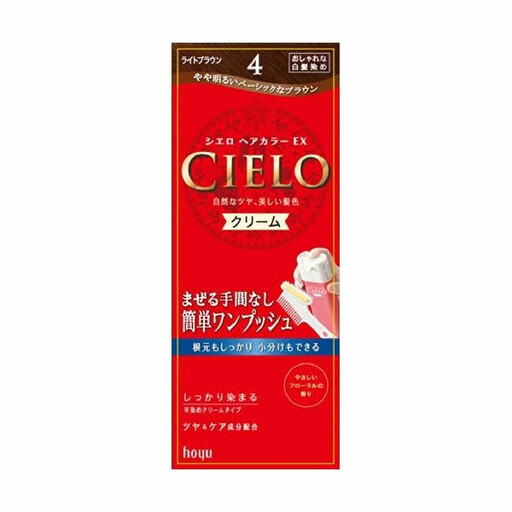
Why we chose it: Perfect for those who are short on time or dread the mixing step. The "one-push" pump system dispenses both creams simultaneously onto the applicator comb. The process is not only clean but also incredibly fast.
No more "incomplete kit headache" or mixing anxiety. Everything is integrated for a direct application, with no risk of measurement errors.
No mixing required. The unused product can be saved for future touch-ups. Smart and economical!
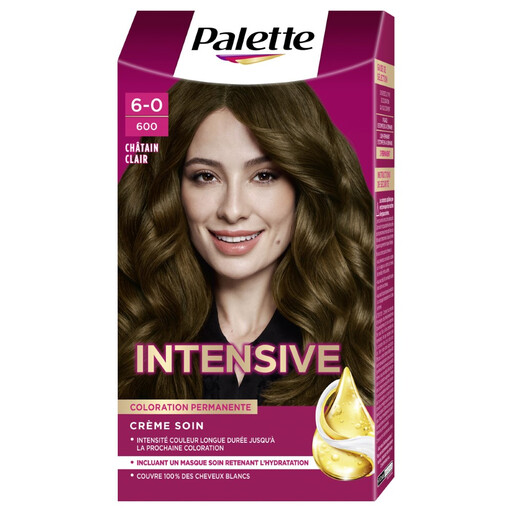
Why we chose it: For those whose top priority is to reliably and permanently cover gray hair. Palette formulas are renowned for their covering power and pigment intensity, ensuring a rich, uniform result.
It tackles the "perfect coverage" trap with a permanent formula specifically designed for maximum gray coverage.
Rich, long-lasting color. The kit includes a nourishing treatment to keep hair soft and shiny after coloring.
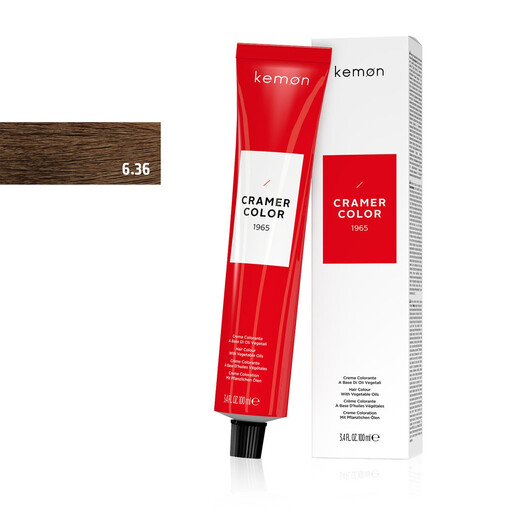
Why we chose it: For connoisseurs who demand a salon-worthy result. This professional permanent color relies on innovative technology and coconut oil to protect the hair while delivering vibrant color and maximum coverage.
This product is upfront about what it is: a professional color. It's for those who know they need to buy a separate developer for a customized result, thus avoiding the "incomplete kit" disappointment.
Coconut oil-based formula for a gentle application and enhanced protection. "Scudo" technology which, according to Kemon, protects the color from premature oxidation.
Discover our full selection of products that meet our selection criteria and current safety standards.
Yes, most modern ammonia-free formulas offer very good coverage, up to 100% for the highest-performing ones. However, their effectiveness can be challenged on particularly resistant hair or if the majority of your hair is gray. For guaranteed coverage, a permanent color, even one without ammonia, is still a better choice than a demi-permanent color.
Yes, and it's non-negotiable. Your skin's sensitivity can change over time, and manufacturers can alter their formulas. For your safety, it is imperative to apply a small amount of product (in the crook of your elbow or behind your ear) 48 hours before each coloring to check for any reaction (redness, itching, swelling).
It depends on the format. If the color cream and developer have been mixed, the answer is no. The mixture oxidizes and becomes ineffective within minutes, so it must be discarded immediately. The exception: some innovative systems, like dual-chamber pump bottles, allow you to dispense only the amount you need. The remaining product in the bottle is not mixed and can therefore be saved for a future application or for root touch-ups. When in doubt, always check the manufacturer's instructions.