
Livraison le jour même ou le lendemain

Qualité garantie

Débloquez vos offres de bienvenue: Livraison GRATUITE | Jusqu'à -80 % | 30 jours d'essai gratuits à JoyPlus
Téléchargez l'application
The world of Asian wines promises a journey of unique and unconventional flavours. However, diving in blind can quickly lead to disappointment. Between indecipherable labels and spirits with vastly different profiles, it's easy to end up with a bottle that doesn't meet your expectations at all. As a product expert at Joybuy, my mission is to guide you through this fascinating landscape to help you make an informed choice, free from marketing jargon.
Before presenting our selection, let's review the most common mistakes that could spoil your experience.
To avoid these pitfalls, focus on a few key criteria that truly define the nature of the beverage.
This is the starting point, as the raw material dictates the drink's flavour profile.
How do you plan to use it?
Here are a few gems, categorised by profile to help you find the bottle that's right for you.
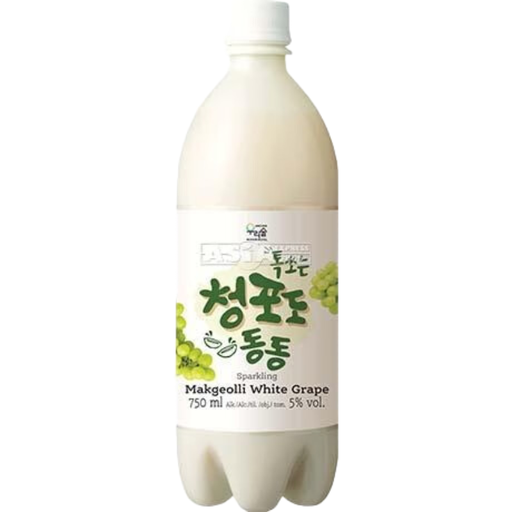
Why we love it: The ideal introduction to Korean rice wine. Its white grape aroma makes it very approachable, while its creamy, lightly sparkling texture is an experience in itself. Perfect for surprising friends at an aperitif.
The label is clear: it's a flavoured rice wine. Its low alcohol content (5%) and sweet profile clearly mark it for aperitifs, not for cooking.
A unique and refreshing drink that's very easy to enjoy. Bonus: it's rich in probiotics, a typical feature of unfiltered makgeolli.
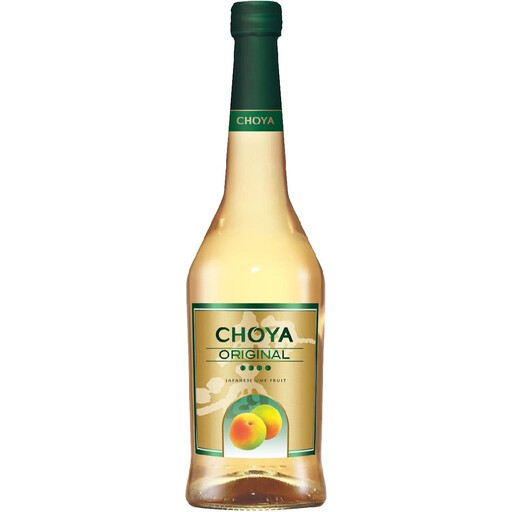
Why we love it: This is THE benchmark for Japanese plum liqueur. To discover the authentic taste of Umeshu, this is the gold standard. Its versatility makes it a must-have for any respectable home bar.
This is a fruit liqueur designed for sipping, not a cooking wine. Its profile is a masterful balance between the sweetness and acidity of the plum, far from the trap of a cloying drink.
Incredibly versatile: enjoy it neat, on the rocks, with sparkling water, or in a cocktail. A consistent and renowned taste, with no unpleasant surprises.
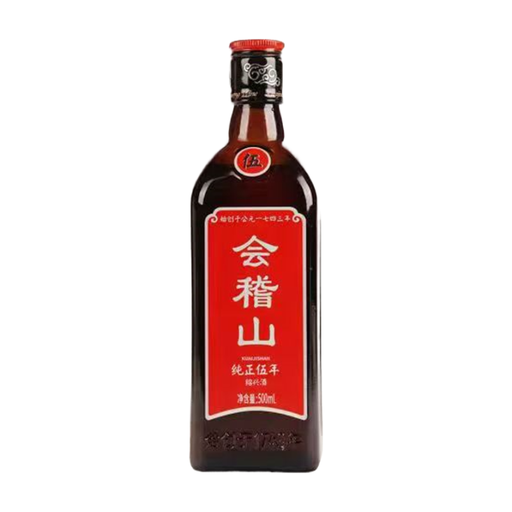
Why we love it: For those who are serious about Chinese cooking or seeking a complex aromatic profile. This 5-year aged Shaoxing wine offers a depth (notes of nut, caramel, and umami) that entry-level versions simply don't have.
Its 5-year aging process is a mark of quality. This clearly sets it apart from basic, overly salty cooking wines. It is designed both as a premium ingredient and a sipping beverage (traditionally served warm).
It brings an authentic and deep flavour to dishes. A rare quality for a Shaoxing wine, it can also be enjoyed on its own to appreciate its complexity.
1. How should I store an Asian wine after opening? Most of these beverages, like makgeolli or plum wine, should be kept in the refrigerator once opened. This preserves their freshness and aromas. It's best to consume them within a few weeks to enjoy their full freshness. Shaoxing wines, having a higher alcohol content, keep for much longer.
2. Can you drink Shaoxing wine? Yes, but it all depends on the quality! Entry-level Shaoxing wines, which are often very salty, are exclusively for cooking. In contrast, an aged wine (3, 5 years, or more) develops a complexity that makes it very pleasant for sipping, traditionally served slightly warmed.
3. What is the difference between sake and Korean rice wine (makgeolli)? Although both are rice-based, they are worlds apart. Sake is filtered, giving it a clear appearance, and has a higher alcohol content (around 15-20%). Makgeolli, on the other hand, is unfiltered, which gives it a milky appearance and a slight fizz. Its alcohol content is much lower (around 5-8%), and its taste balances between sweet and tangy.
Alcohol abuse is dangerous for your health. Please drink responsibly. Drinking alcoholic beverages during pregnancy, even in small amounts, can have serious consequences for the child's health.