
Livraison le jour même ou le lendemain

Qualité garantie

Débloquez vos offres de bienvenue: Livraison GRATUITE | Jusqu'à -80 % | 30 jours d'essai gratuits à JoyPlus
Téléchargez l'application
The Asian condiment aisle can be overwhelming: rice vinegar, black vinegar, Japanese, Chinese… Faced with this sea of bottles, it's hard to know which one to choose for perfecting your sushi rice, dumpling sauce, or a simple vinaigrette.
This guide is here to help. As a product expert at Joybuy, my mission is simple: to give you the keys to choosing the perfect Asian vinegar for your recipes, without drowning you in marketing jargon. Together, let's explore the different types, their uses, and discover a tried-and-true selection.
Before diving into our selection, here are a few key points to guide you in finding the Asian seasoning that will take your recipes to the next level.
How you plan to use it is the starting point. Each vinegar has a unique taste suited to specific dishes.
The base ingredient and fermentation process directly influence the taste.
A short ingredient list is often a sign of quality. The best vinegars consist simply of water, rice (or other grains like wheat for some black vinegars), and fermentation starters. The presence of added salt or sugar isn't a flaw, but it's useful information for properly balancing your seasoning.
Here are three products that stand out from the crowd, each meeting a specific culinary need.
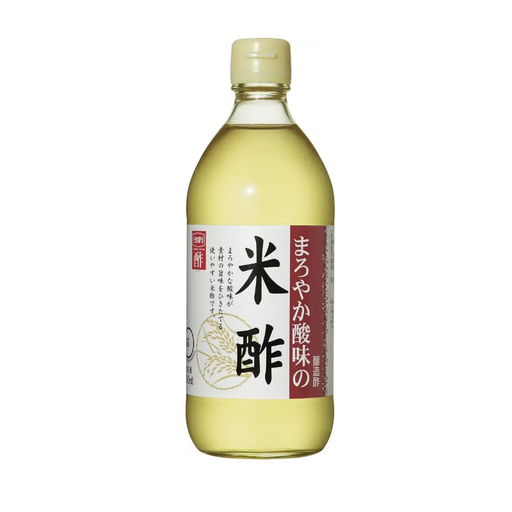
Why it stands out: This Japanese vinegar is renowned for its exceptional mildness and pure aroma. The Uchibori brand specifies that it is brewed with groundwater from the Japanese Central Alps, a guarantee of purity. Its moderate acidity makes it a highly versatile ally.
Pros:
Who is it for?: The perfect choice for home sushi enthusiasts seeking an authentic sushi vinegar. It will also delight cooks looking for a delicate everyday rice vinegar.
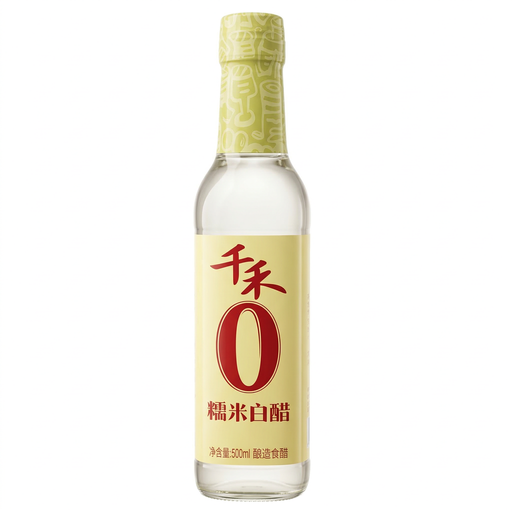
Why it stands out: The Qian He brand focuses on its "Zero Additive" concept, guaranteeing a product free from preservatives, artificial colors, or flavors. Brewed from glutinous rice, this vinegar offers a smooth flavor and a perfectly balanced 5° acidity.
Pros:
Who is it for?: Ideal for consumers who are mindful of product ingredients. Its balanced flavor makes it an excellent everyday vinegar for Chinese cuisine and beyond.

Why it stands out: Heng Shun is a historic Chinese brand, a true institution famous for its Zhenjiang black vinegar. Fermented from glutinous rice and wheat, it has a dark color, a rich aroma, and a complex flavor that is simultaneously acidic, slightly sweet, and malty.
Pros:
Who is it for?: A must-have for lovers of authentic Chinese cuisine. If you're making Beijing-style dumplings, braised dishes, or sweet and sour soups, this vinegar is the finishing touch that makes all the difference.
Our selection covers the essentials, but the world of vinegars is vast. From infused vinegars to regional specialties, if we've piqued your curiosity, feel free to explore our entire collection.
? Discover Our Full Range of Culinary Vinegars
1. What is the difference between Japanese and Chinese rice vinegar?
As a general rule, Japanese vinegar (like Uchibori) is milder, lighter, and less acidic. It's designed to enhance delicate flavors, such as those of raw fish. Chinese rice vinegar, on the other hand, often has a more pronounced acidity and a bolder taste, making it ideal for cooking and flavorful dishes.
2. Can you use rice vinegar for a dumpling sauce?
Yes, but the result won't be the same. For a traditional and flavorful dumpling sauce, Chinese black vinegar (like Heng Shun) is truly the gold standard. Its complex, malty, and slightly sweet taste gives the sauce its signature flavor—a depth that a simple rice vinegar cannot replicate.
3. How should I store Asian vinegar after opening it?
To best preserve its aromas, keep your vinegar in a cool, dry place away from direct sunlight. Once the bottle is opened, storing it in the refrigerator is the best way to maintain its freshness and flavor quality over the long term.