
Livraison le jour même ou le lendemain

Qualité garantie

Débloquez vos offres de bienvenue: Livraison GRATUITE | Jusqu'à -80 % | 30 jours d'essai gratuits à JoyPlus
Téléchargez l'application
Standing in the Asian food aisle, choosing the right vermicelli can quickly become overwhelming. Thin rice vermicelli for a Ph? soup, translucent glass noodles for a Thai salad, or sweet potato vermicelli for a Korean Japchae?? Every dish has its perfect noodle, and picking the wrong one can compromise the balance and texture of your recipe.
As the product selection manager at Joybuy, my mission is to guide you through this jungle of flavours. This guide is designed to give you clear, practical pointers and help you buy the Asian noodles that are perfectly suited to your needs, without getting lost in marketing jargon.
To make the right choice, focus on a few key points. Here are the three criteria to consider before adding a pack of vermicelli to your basket.
The composition of vermicelli is what defines its texture, taste, and culinary use.
The thickness of the vermicelli is far from a minor detail. It directly influences how they behave during cooking and their final bite.
Good news for those with gluten intolerance or sensitivity?: most Asian vermicelli are naturally free of it. Noodles made from rice flour, sweet potato starch, potato starch, or mung bean starch do not contain wheat. This makes them an excellent alternative to traditional pasta. One good habit to adopt?: always check the ingredient list on the packaging to rule out any risk of cross-contamination, especially in cases of severe intolerance.
To get you started, here is a selection of three products that perfectly illustrate the richness of this world.
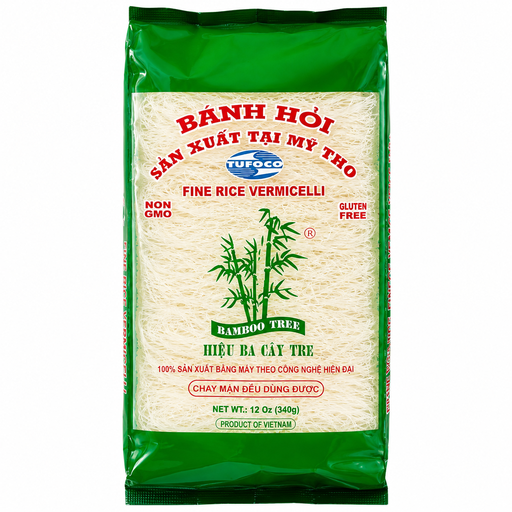
Why It Stands Out?: These fine rice vermicelli are a benchmark for Vietnamese cuisine. Made from high-quality rice flour, they offer a smooth texture and cook quickly. They stay firm without sticking, which is the sign of a quality product.
Key Features?:
Best For?? Enthusiasts of authentic Vietnamese cuisine, especially for preparing soups (like Ph?), fresh salads (bún ch?), or spring rolls. It's a reliable and versatile pantry staple.
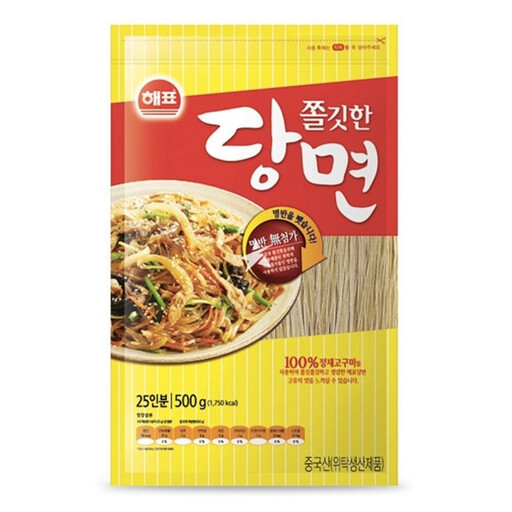
Why It Stands Out?: These Korean vermicelli are made from potato starch, which gives them their signature springy and pleasant texture. They turn translucent when cooked and are perfect for dishes that require noodles with good structure.
Key Features?:
Best For?? Those looking to venture into Korean cuisine beyond the classic Japchae. These noodles are excellent in spicy soups or simmered dishes, where their unique texture works wonders.
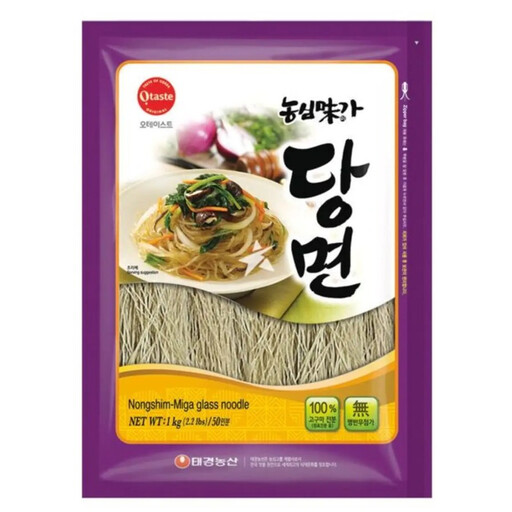
Why It Stands Out?: These glass noodles, or dangmyeon, are the star ingredient of the famous Korean dish Japchae. Made from sweet potato starch, they offer a translucent and delightfully springy texture. The 1?kg size is ideal for families or for those who cook with them regularly.
Key Features?:
Best For?? A must-have for anyone who wants to master homemade Japchae. It's also an excellent choice for Asian salads, soups, or stir-fries that require noodles that hold their shape.
Our selection is just a glimpse, and the world of Asian noodles is much vaster. If you are specifically looking for rice-based options for your soups or salads, feel free to explore our full range.
Discover Our Full Range of Rice Vermicelli
The main difference lies in the base ingredient, which affects the final texture. Rice vermicelli are made from rice flour, remain opaque, and have a soft texture. Glass noodles are made from starch (sweet potato, mung bean, etc.), become transparent when cooked, and have a distinctly more springy and firm texture.
Yes, the vast majority of Asian vermicelli are naturally gluten-free, as they are made from rice, sweet potato, potato, or mung bean starch. This is the case for the three products featured in this guide. As a precaution, however, it is always advisable to check the ingredient list on the packaging to confirm the absence of wheat or cross-contamination.
For rice vermicelli, the secret is not to overcook them. Once cooked al dente, drain them and immediately rinse them thoroughly with cold water to stop the cooking process and remove excess starch. For glass noodles, a cold water rinse is also recommended. Pro tip?: add a drizzle of sesame oil after rinsing to prevent them from clumping together, especially if you plan to use them in a salad or stir-fry.